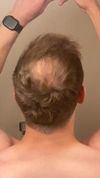
A user is seeking recommendations for a minoxidil and tretinoin topical solution, including dosage and purchase locations in the US. They are looking for effective hair loss treatments.
A 32-year-old male started using a topical spray containing 0.01% finasteride and 6% minoxidil to combat hereditary male pattern baldness. He reports no side effects and is optimistic about potential hair regrowth.
A 35-year-old is considering Breezula, Pyrilutamide, or topical finasteride/dutasteride to protect against hair loss while on testosterone replacement therapy (TRT). They currently use finasteride, oral minoxidil, and dutasteride but experienced increased hair shedding with TRT.
A user was prescribed ketoconazole shampoo by their dermatologist for early-stage hair loss, but is unsure if this is the right treatment. Most commenters suggest seeking a second opinion or starting finasteride treatment immediately, while a few caution about potential side effects.
A user is seeking advice on using a DIY solution of topical finasteride (Fynzur 2.275mg/ml) mixed with minoxidil for hair loss. They are concerned about achieving full scalp coverage and prefer using a scalp applicator over a spray.
A user experienced rapid hair loss and was prescribed Desonide cream for mild Alopecia. They are seeking feedback on its effectiveness and potential side effects.
The user is experiencing hair improvement in the central and back areas after using finasteride, minoxidil, and a galenic lotion, but the temple area is worsening. They suspect the lotion might be causing the issue and are considering stopping its use.
The user stopped using finasteride and RU58841 and is considering CB-03-01 for androgenic alopecia but is concerned about the cost and effectiveness, especially at a lower dose than in clinical trials. They are also using minoxidil, micro-needling, and nizoral shampoo but are unsure about the correct application method for CB-03-01.
The conversation is about adding crushed bicalutamide or spironolactone to a topical mix with finasteride and minoxidil to suppress testosterone in hair follicles, similar to what RU58841 does. The user cannot obtain RU58841 in their country and is seeking advice on this alternative approach for hair loss treatment.
A user is considering using topical finasteride, topical minoxidil, RU58841, and dermarolling twice a week to address hair loss after experiencing side effects with oral finasteride. They previously saw positive results with a topical spray containing finasteride, minoxidil, and tretinoin but discontinued use due to laziness.
An 18-year-old experiencing hair loss and seborrheic dermatitis has tried finasteride, dutasteride, and various shampoos without success. They are considering anti-androgens like RU58841 and KX-826 for oil control and dandruff reduction.
The conversation discusses recommendations for using topical melatonin for hair loss treatment. It also mentions Minoxidil, finasteride, and RU58841 as other treatments.
A user discusses using a mixed solution with minoxidil 2%, hydrocortisone butyrate, and estrone in the morning, and considering adding 5% minoxidil at night. They also use Restax softgel but avoid finasteride.
The user treated hair loss for one year using low dose topical finasteride, minoxidil, RU58841, ketoconazole shampoo, dermastamping, Botox injections, and supplements. They saw a subtle improvement in their hair loss.
The conversation discusses creating a foam version of RU58841 for easier application on thick hair, comparing it to minoxidil foam. The user currently uses dutasteride, minoxidil, and needling for hair loss treatment.
A user is experiencing severe dandruff and hair loss, considering using ketoconazole shampoo 2% to manage these issues. They seek advice on application frequency and effectiveness, with suggestions to use it 2-3 times a week and to consider other treatments like finasteride for hair loss.
The conversation discusses using a 5% Topical Minoxidil with 0.01% Tretinoin serum for hair loss, noting its lack of propylene glycol to avoid itchiness and greasiness. Users share experiences with different Minoxidil formulations and discuss the effectiveness and stability of Tretinoin in various forms.
Topical finasteride in a liposomal formulation reduces systemic absorption compared to ethanol solutions. The user is seeking sources for such products, noting that popular options like morr-f are not liposomal.
Minoxidil foam absorption concerns, with suggestions to use gloves or apply directly to the scalp to ensure proper absorption. Some users recommend using a scalp massager or switching to liquid minoxidil for better application.
The user has been using topical minoxidil (5%) for two years and kx826/pyrilutamide for one year, after experiencing side effects from finasteride. They report positive results from the combination of minoxidil and kx826 in combating hair loss.
A user received a prescription for a topical solution with Minoxidil 7%, Finasteride 2%, and Tretinoin 0.01%, to be used twice daily for three months. They are concerned about the safety of these dosages compared to commonly recommended lower dosages.
The user is using Keeps Topical Minoxidil and Finasteride foam, along with derma stamping and pumpkin seed oil pills, to address hair loss. They report no significant side effects and observe new hair growth, while discussing the pros and cons of topical versus oral treatments.
The user has been using a combination spray with 0.1% finasteride, 5% minoxidil, and tretinoin for over a year but feels their hairline has worsened. They are considering increasing the concentration of finasteride and adding 5% minoxidil once a day.
The user shared two-month results using a topical spray with 0.3% finasteride, 7% minoxidil, 2.2% ketoconazole, and 0.2% biotin, showing improvement in hair loss. The user also mentioned using hair fibers previously and dermastamping inconsistently.
The conversation discusses the potential effectiveness and risks of using topical finasteride for hair loss, with considerations about using DMSO as a vehicle for application. Concerns are raised about DMSO's safety, absorption issues, and the systemic effects of topical finasteride.
A user with mild psoriasis on the scalp is using finasteride, topical minoxidil, and dermarolling for hair loss but plans to stop minoxidil on the crown due to psoriasis aggravation. Suggestions include switching to a lipid-based minoxidil, using Ketoconazole shampoo, or trying oral minoxidil.
A 28-year-old male, who has been using minoxidil for 7 years, is concerned about hair miniaturization and is considering adding pyrilutamide, alfatradiol, and nizoral to his regimen after experiencing side effects from finasteride. Despite concerns, others reassure him that his hairline appears normal for his age, and he is likely around a Norwood 1.5.