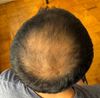
Minoxidil may cause skin aging effects like wrinkles and dark circles, but evidence is mixed. Alternatives like dermarolling and retinol are suggested.
A person experiencing hair loss is using finasteride and considering minoxidil but is worried about side effects like heart palpitations. They seek advice on continuing minoxidil, trying alternatives like microneedling, or considering a hair transplant.
User shares positive experience with Finasteride, Dutasteride, and Minoxidil for hair loss treatment. Others discuss personal experiences and hair loss impact on self-esteem and appearance.
Hair loss therapies focusing on hair follicle sugar metabolism and aldose reductase. Potential treatments include magnesium supplements, avoiding high glycemic index foods, and antioxidants.
Hair loss treatments like finasteride, minoxidil, and hair transplants have side effects and limitations. There is hope for future advancements in stem cell therapy and hair follicle regeneration, though skepticism about their effectiveness and timeline persists.
A user discusses dealing with lower libido caused by finasteride, considering using ED meds but unsure due to age. Replies suggest natural libido fluctuations, holistic approaches, and managing anxiety.
A 28-year-old male reported significant hair regrowth after 5 weeks using a regime including Minoxidil, Ketozolin shampoo, microneedling, hyaluronic acid, saw palmetto, pumpkin seed, MSM, frankincense, zinc, multivitamins, and vitamin D. He also noted improvements in digestion, dry eyes, and skin health, and observed beard growth from microneedling.
Eucapil is discussed as a potential hair loss treatment with some believing it to be effective, though its efficacy compared to finasteride is debated. It is considered an anti-androgen treatment, often used alongside other treatments like minoxidil and finasteride, but lacks independent studies to fully support its effectiveness.
User hoodoomoovoo discusses their interest in stem cell research and its potential for hair loss treatment. They share links to studies and mention ongoing trials, expressing optimism for a future solution to hair loss.
The conversation discusses treating male pattern baldness in a transgender woman using cyproterone acetate, finasteride, and biotin. The original poster shared their experience for others who might be in a similar situation.
A user shared a blog post by "swissTemples" claiming to have reversed hair loss using a combination of treatments including suppressing PGD2 and increasing PGE2. The user noted that "swissTemples" has been banned from forums, possibly due to conflicts of interest.
Researchers are working on regenerating hair follicles using stem cells, but a cure for baldness is still years away. Current treatments mentioned include Minoxidil, finasteride, and RU58841.
Finasteride is seen as risky for men due to side effects like erectile dysfunction, while hormonal birth control for women is normalized despite its side effects. The discussion points out a double standard influenced by societal and gender norms.
A 28-year-old male is struggling with hair regrowth after a hair transplant and restarting medications, including dutasteride, topical minoxidil with finasteride, and oral minoxidil. Despite previous success with these treatments, current results are disappointing, and the doctor advises waiting a few more months.
PP405 updates are seen as vague and lacking substance, causing frustration among users. Some users report positive effects from using minoxidil and dutasteride, while others remain skeptical about new treatments.
GHK-Cu is discussed for hair loss treatment, with some users reporting positive results using a 4% topical serum, but concerns exist about the long-term safety of oral or injectable forms. The original poster also uses finasteride and plans to start dutasteride.
The user experienced significant hair regrowth after one year of using topical finasteride (0.3%) and minoxidil (7%), with minimal side effects. They recommend trying these treatments for hair loss.
The user has been using Minoxidil (5mg) and finasteride (1.1mg) for almost five months, with occasional microneedling and ketoconazole shampoo, and has noticed some hair regrowth and thickening. Others in the conversation agree that there is noticeable improvement and suggest continuing the treatment for better results.
The user is experiencing hair regrowth after 4.5 months of using oral minoxidil, oral dutasteride, latanoprost, ketoconazole shampoo, and dermarolling. They report shedding initially but have seen improvement without significant side effects.
The user experiences an itchy scalp despite using finasteride and ketoconazole shampoo for hair loss. Suggestions include trying different shampoos, switching to dutasteride, and using topical treatments for inflammation.
A 23-year-old has been using finasteride every other day and topical minoxidil daily for five months to address hair thinning, with plans to resume dermarolling. They experienced minimal shedding and are considering switching to daily finasteride for better results.
A 17-year-old is concerned that taking finasteride might affect facial bone growth and is considering switching to topical finasteride due to its reduced systemic effects. They are also using oral minoxidil and exploring other hair loss treatments like microneedling and ketoconazole shampoo.
The conversation humorously discusses using anal administration of Dutasteride as a novel method for treating hair loss, suggesting it could target DHT production more effectively. It includes satirical comments about the method's potential effects and absurd outcomes.
Concerns about the long-term safety of VDPHL01, an extended-release minoxidil, due to potential risks similar to Cantu syndrome, were raised, highlighting the lack of monitoring for chronic connective tissue changes. The conversation suggests that while the treatment may improve hair growth, it could lead to issues not detected in short-term trials.
The user experienced severe hair shedding from months 10 to 14 but saw significant hair regrowth after continuing treatment with 1.2 mg finasteride and 3 mg minoxidil. They advise not to give up on medication despite initial setbacks.
Inconsistent minoxidil use led to hair loss, prompting a plan to resume consistent application with derma stamping, red light therapy, and DHT blockers like clascoterone or RU58841. The user avoids finasteride and dutasteride due to past side effects.
Dutasteride is considered a powerful treatment for hair loss, potentially effective for decades, but its success depends on individual genetics and response. Combining Dutasteride with other treatments like Minoxidil, Finasteride, and RU58841 may enhance results, but outcomes vary.
The user experienced regrowth and stabilization in hair density using finasteride, minoxidil, a derma roller, and an LLLT helmet, but noticed a recent decline in hair quality. They only take finasteride orally and are unsure about the effectiveness of the LLLT device.
A 19-year-old in France is experiencing hair loss after COVID-19 and is using Minoxidil, considering Finasteride but facing challenges in obtaining it. Users discuss Minoxidil's effectiveness, potential issues like crystallization, and alternative products like Foligain.