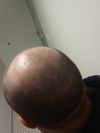
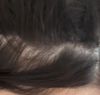
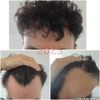
Hair density and color improved with 1mg oral finasteride, 3mg oral minoxidil, red light therapy, biotin, and microneedling. Visible results seen in 3 months.
The user shared progress pictures showing hair improvement after using 1mg finasteride daily and 5% minoxidil spray once a day for six months. Other users suggested adding microneedling to enhance results and discussed side effects and product recommendations.
The conversation is about a user trying to fund lab testing for RU58841 to verify its legitimacy, as there are doubts about its effectiveness. Some users express skepticism about RU58841, suggesting alternatives like KX-826.
Han Bio plans to start Phase 1 clinical trials for a hair growth treatment in 2027 after successful results in mice. Many users express skepticism about the effectiveness of treatments that work on mice but not on humans, and discuss existing treatments like finasteride and minoxidil.
The user has been using a regimen including finasteride, minoxidil, various oils, and supplements for hair regrowth over 9–10 months. They observed fine hairs returning and a change in scalp texture after adding cinnamon oil, questioning if this change is a positive sign.
The user has been using a hair regrowth regimen for 9-10 months, including topical finasteride and minoxidil, various oils, and supplements like multivitamins and omega-3. They observed fine hairs returning and a change in scalp texture after adding cinnamon oil, questioning if this indicates positive hair regrowth.
Haircafe is generally trusted for hair loss information, particularly for his evidence-based approach and recommendations of finasteride, dutasteride, and minoxidil. While some users appreciate his scientific focus and lack of product promotion, others criticize his dismissal of anecdotal evidence and certain biases.
Dutasteride is more effective than finasteride for some in stopping hair loss and promoting regrowth, with fewer side effects. Oral minoxidil is also used for regrowth, but there are safety concerns, especially for younger users.
A 27-year-old male experienced significant hair shedding after switching from minoxidil to oral finasteride for hair loss treatment. Despite being healthy and using finasteride for nearly 100 days, he noticed increased shedding and is seeking support and success stories from others.
The user experienced hair regrowth with oral Minoxidil, dandruff shampoo, topical Nanoxidil, and Revita Shampoo but lost progress after stopping Nanoxidil temporarily. They are now using topical Nanoxidil and oral dutasteride but are experiencing increased shedding and are unsure whether to continue or revert to their original regimen.
Microneedling can aid hair regrowth but poses risks like permanent hair loss if not done properly. Combining it with minoxidil, finasteride, and tretinoin, while ensuring proper sterilization and technique, is crucial for safety and effectiveness.
A 49-year-old is sharing progress on hair regrowth using PRP sessions and a combination of treatments, including minoxidil, but not oral finasteride or dutasteride. Users suggest adding oral treatments like dutasteride or minoxidil for better results.
The user is considering whether to consult a hair loss specialist after letting their hair grow for two weeks, having previously shaved their head since age 26. They are contemplating continuing to shave if consulting a specialist seems unnecessary.
A 15-year-old is experiencing hair loss and has tried rosemary and jojoba oils without success. They are advised to see a doctor for thyroid and androgen tests and consider using Minoxidil.
Dutasteride may cause chronic infertility by reducing semen volume and motility, with concerns about irreversible prostate fibrosis. Users consider switching to finasteride or using treatments like minoxidil and microneedling, weighing hair preservation against fertility.
The user has been using finasteride and dutasteride for hair loss but is experiencing low energy and motivation, possibly due to high prolactin levels. Despite treatment, hairline recession continues, and the user is considering the impact of low DHT levels on overall health and energy.
An 18-year-old shares progress in hair regrowth after 1.5 months using a topical treatment with finasteride, ketoconazole, minoxidil, and biotin. They report significant hairline improvement and a decrease in sex drive as a side effect.
The conversation is about hair regrowth progress using Minoxidil and Finasteride. The user reports improved hair fallout but still experiences significant hair loss.
A 39-year-old male has been using oral finasteride for 2 months and topical minoxidil 5% for 5 months, along with dermastamping and keto shampoo weekly, to address hair loss. He feels his hair is thicker overall but is concerned about a persistent bald spot.
A user shared their 15-month progress after a hair transplant in Turkey, using 4200 grafts, topical Minoxidil, and Finasteride, and considering switching to oral Finasteride. They are mostly satisfied with the results but are contemplating further treatment for better density.
The user aims to achieve a hypertrichosis look and has used topical Minoxidil for 20 years, now trying oral Minoxidil in a low dose. They seek alternatives to Minoxidil to avoid side effects.
Switching from finasteride to dutasteride led to hair loss despite continued use of minoxidil. Many recommend reintroducing finasteride, as responses to treatments can vary.
High frequency ultrasonography and HR-MRI can help identify hair shedding causes like inflammation and fibrosis. The conversation discusses the potential of using these technologies to evaluate treatments like Verteporfin for hair regeneration.
A user shared their 7-month hairline recovery using 1 mg finasteride and 5 mg minoxidil daily. They experienced significant hair growth, including unwanted facial hair, and discussed potential side effects and dosage adjustments with others.
Use minoxidil and finasteride for 1-2 years to promote regrowth and stabilize hair loss before a transplant. Long-term use of these medications is needed to maintain results and prevent further loss.
A 28-year-old male with a family history of baldness is deciding whether to start finasteride now or wait for visible hair changes. He is considering starting finasteride immediately to proactively address potential hair loss.
The conversation discusses using a dermapen for microneedling to treat hair loss, with specific mention of using Minoxidil, Finasteride, Dutasteride, RU58841, KX-826, and other topicals. The user experienced side effects like palpitations and itching after microneedling and applying these treatments.
Significant hair regrowth was achieved over six months using minoxidil, finasteride, microneedling, biotin and collagen shampoo, and MSM powder. The user feels more confident and may consider a hair transplant if necessary.
The user shared their 3-month progress using 2.5mg oral minoxidil, 0.5mg dutasteride, 5mg biotin, and a saw palmetto, green coffee, and menthol shampoo, reporting no hair shedding and some unwanted hair growth on the beard and back. They recommend starting with finasteride or dutasteride, especially for those under 18, and noted no side effects from their treatment.
Ketoconazole shampoos are primarily for dandruff and fungus but may aid hair growth slightly, though results are minor compared to finasteride and minoxidil. Users report it helps with scalp health and inflammation, but it can dry out hair if used too often.