Search
for
Sort by
Community Join
540-570 / 1000+ resultscommunity Turning vellus hairs into terminal hair
People are discussing hair loss treatments, including minoxidil, finasteride, and RU58841, to turn vellus hairs into terminal hairs. Some users also mention using antibiotics, oral minoxidil, dutasteride, DHT blockers, biotin, and natural remedies like onion juice and seeds to improve hair growth.
community scrap fin/dut, it's time for handstands
The conversation humorously suggests that doing daily handstands can regrow hair by improving blood flow to the scalp, dismissing traditional treatments like finasteride and minoxidil. It satirically claims that gravity is the real cause of hair loss, with users joking about the effects of gravity on hair growth.
community Black dots coming in along hairline, sign of regrowth?
User noticed black dots along the hairline and temples, questioning if it's regrowth. They are using a regimen including Dutasteride, oral and topical Minoxidil, and a compounded topical treatment.
community Thoughts on scalp/hairline tattoos's ?
Scalp tattoos can look good but often appear artificial, especially in sunlight or up close, and require regular maintenance. They may boost confidence if done well, but opinions vary on their effectiveness and natural appearance.
community [Update] This guys started showing up 4 moths into finasteride
User reports baby hairs appearing 4 months into finasteride treatment. Current regimen includes finasteride, rosemary oil, topical melatonin, nizoral shampoo, hair supplements, scalp massages, and dermarolling.
community 18m, on Finasteride/Minoxidil. Fine hairs on my scalp
The user started using finasteride and minoxidil and noticed fine, spikey hairs on their scalp after oiling with coconut and blackseed oil. Responses suggest these fine hairs could indicate hair regrowth, but more time is needed to see results.
community My first 5 week journey so far. Am I a hyper responder?
The user reports noticeable hair growth after 5 weeks using finasteride, minoxidil, dermarolling, and ketoconazole. They seek confirmation of their progress and question if they are a hyper responder.
community 2 year mark minoxidil (fin is 2 and a half) 21 y/o m
community DHT Harms Scalp Microbiome: DHT Itch is REAL
Increased Malassezia and Cutibacterium in the scalp microbiome are linked to higher sebum production and inflammation in androgenetic alopecia (AGA). Treatments include ciclopirox shampoo, benzoyl peroxide shampoo, clobetasol propionate, calcipotriol, minoxidil, finasteride, and dutasteride.
community 25-31 recovery makes my hair almost unmanageable.
A user shared their hair recovery progress from ages 25-31, attributing success to quitting smoking, minoxidil, microneedling, and hormone therapy. They also mentioned being transgender and using hormone therapy.
community Losing the genetic lottery - venting
The user is experiencing hair loss and has tried various treatments including topical and oral finasteride, minoxidil, dutasteride, and ketoconazole, but continues to lose hair. They are considering alternative solutions like hair systems due to the lack of improvement and a scalp condition called CVG.
community This is what some balding dudes are like
Some people avoid finasteride due to side effects but engage in unhealthy habits. Minoxidil and finasteride are common hair loss treatments, with varied side effect experiences.
community Would using cells from an umbilical cord help me regrow my hair?
The conversation discusses unconventional and satirical ideas for hair regrowth, including using umbilical cord cells, stem cells, and other humorous suggestions. It concludes with recommendations for more traditional methods like hair transplants or hair systems.
community Stop being assholes to teenagers on this sub.
Teenagers experiencing hair loss face ridicule instead of support, impacting their mental health. Effective treatments mentioned include minoxidil, finasteride, and dermarolling.
community STEM CELL TREATMENT FOR HAIR LOSS at home
User considers trying AAPE for hair restoration, costing $700 for 6 months. Others discuss its potential effectiveness and mention a study with promising results.
community Target Area Hair Count (TAHC) increase comparasion of all future treatments in clinical trial phases
Finasteride, Minoxidil, Bioneer CosmeRNA, Technoderma, Kintor, Hope, Breezula, and Follicum treatments showed increases in hair count, with Technoderma showing the highest increase at 24.3 hairs/cm². Amplifica has not yet published results.
community Baby hair growth from non existent to existing.
A user shared progress pictures showing hair regrowth after using minoxidil and finasteride for several months. Despite skepticism, the user reports noticeable improvement and aims to motivate others with hair loss.
community Tattooed your scalp as a response to going bald? Show me!
A user is interested in seeing scalp tattoos as a response to hair loss, specifically looking for creative designs rather than scalp micropigmentation. They are considering this approach for their own Norwood 5 hair loss situation.
community balding in University is the worst
The conversation is about dealing with hair loss during university, with the original poster using dutasteride and minoxidil as treatments. Participants share their experiences and coping strategies, such as wearing hats, considering going completely bald, or getting a hair transplant after graduation.
community If ancient hunter gatherer women had just selected for men with hair we wouldn't be in this mess
Hair loss is humorously blamed on ancient selection preferences, with discussions on genetics and societal norms. Treatments like finasteride are mentioned as modern solutions.
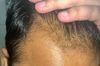
community 5 Months on Topical Min/Fin – Are These Baby Hairs or Just Thin Hairs?
The user has been using topical Minoxidil and Finasteride for 5 months and is questioning whether the new hair growth is genuine or just thin existing hairs. Another user suggests that comparison with before pictures is necessary to determine progress.
community Lifestyle choices and your hair....
A person noticed increased hair thinning after changing their workout routine from cycling to weightlifting, which also coincided with a rise in testosterone levels. They are considering stopping intense workouts, switching to yoga, cutting out caffeine, and re-evaluating after a few months to see if it improves their hair condition.
community WHEN does regrowth even happen?
The user changed their hair loss treatment in October/November, experienced increased shedding, and now sees no new hair growth, with a worsening condition and a possible bald spot. They also have severe seborrheic dermatitis, which may be affecting their scalp and hair loss.
community 5 month post hair transplant ~2500 grafts to frontal third + finasteride 1mg/day + topical minoxidil 2x day + caffeine shampoo 1x day since HT procedure
The conversation discusses a hair loss treatment involving a hair transplant of approximately 2500 grafts to the frontal area, daily use of finasteride, twice-daily topical minoxidil, and daily caffeine shampoo since the hair transplant procedure. One person is skeptical about the improvement in the crown area with just finasteride and minoxidil.
community People that don’t have 4c hair which is mostly all races that aren’t black have it better than us. Yall can have a receding hairline like this and still pull it off but I end up looking like this with mine, even when I grow my hair out 😭
Black individuals may embrace baldness better due to less contrast between hair and skin. Finasteride is suggested for hair loss management, and natural styles like buzz cuts are recommended.
community I Finally Shaved It Off After PRP Fail
A user who decided to shave their head after trying PRP for hair loss with minimal results, and the replies which commended them on how good they looked without it.
community I want my hair back so badly bros
Hair loss treatments like finasteride, minoxidil, dutasteride, and RU58841. Users suggest hair fibers for temporary coverage and consider hair transplants for permanent solutions.
community Are there any active Group Buys (dischord or other forums) for HMI 115?
Hair loss discussion includes treatments Minoxidil, Finasteride, and RU58841. HMI 115 shows anecdotal success in Phase I trial, users seek group buy for research chemical.
community Am I crazy or is there a link between being fit and not going bald?
Fit individuals often have full heads of hair, possibly due to lifestyle factors like exercise and diet, while those who are less fit tend to experience more hair loss. Some fit individuals may also use treatments like finasteride and minoxidil to maintain their hair.