Search
for
Sort by
Community Join
150-180 / 1000+ resultscommunity Anyone had luck with one of those minoxidil + tretinoin + caffeine + melatonin sprays?
The conversation discusses using a 4-in-1 spray containing minoxidil, tretinoin, caffeine, and melatonin for hair loss. Users consider the potential benefits of combining these ingredients, with some interest in a comprehensive approach to treatment.
community KX-826 Phase 3 Results Are Out
KX-826 shows promising results for hair growth with fewer side effects, offering an alternative to finasteride and minoxidil. Users discuss combining it with minoxidil, dermarolling, and Nizoral for improved results.
community Ben Greenfield Podcast : CHK-Cu & C-60
CHK-Cu (copper peptide) and C-60 (branched carbon chain) are discussed as potentially more effective than minoxidil for hair regrowth. Some users are skeptical about the claim that DHT isn't the root cause of hair loss, and others are trying these products to see if they work.
community Amplifica and AMP-303 clinical phase 1
Amplifica is testing a compound called AMP-303 for hair loss, but it's not Scube3 or osteopontin. The timing for the results from the clinical trial is unknown.
community When will Chinese manufacturers start producing Clascoterone 5%?
The conversation discusses the anticipation of Chinese manufacturers producing Clascoterone 5% before its full approval in 2027. It also mentions treatments like Minoxidil, finasteride, and RU58841 for hair loss.
community cosmeRNA finally now it's pyrilutamide turn
Hair loss treatments discussed include cosmeRNA, minoxidil, finasteride, RU58841, and pyrilutamide. Users debate effectiveness, side effects, and upcoming treatments, with some expressing skepticism and others optimism.
community Selling KY19382 powder a novel activator of Wnt/β-catenin signaling
The conversation is about selling KY19382 powder, a novel activator of Wnt/β-catenin signaling, and Kolliphor EL liquid for vehicle formulation. The seller offers worldwide shipping.
community I’ve emailed MinoxidilMax and they’ve said they will try and make topical Procyanidin B2 within a month!
User TH1RT33N_DR34M shares that MinoxidilMax plans to make topical Procyanidin B2 within a month. Users discuss the legitimacy of the product, quality control, and potential results from using it for hair loss.
community GHK-cu/Ahk-cu mix with minoxidil
A user is seeking advice on mixing GHK-cu/AHK-cu with minoxidil for hair loss treatment. They are asking for recommendations on the correct mixing ratios and any experiences with copper peptides.
community manager told me i have to stop using minoxidil
A manager told an employee to stop using minoxidil, fearing it could unintentionally cause hair growth in others. The conversation is filled with humorous and sarcastic responses, questioning the manager's logic and suggesting the employee continue using the treatment secretly.
community Can I mix minoxidil with stemoxydine?
community Drinking minoxidil lands human in ICU with shock and heart failure
A person mistakenly drank an entire bottle of topical minoxidil, leading to ICU admission with shock and heart failure. The incident highlights the dangers of ingesting topical treatments and the importance of proper usage and dosage.
community What are the best topical caffeine and melatonin products to combine with minoxidil? Maybe also essential oils?
The conversation is about finding the best topical caffeine and melatonin products to use with minoxidil, and possibly adding essential oils. The user seeks recommendations for effective combinations to enhance hair growth.
community Finasteride + Monxidil Update pictures.
A user shared progress pictures after using finasteride and minoxidil for two years, showing significant hair improvement. The user started treatment at age 20 and reported no side effects.
community How's your progress on kx-826 (pyrilutamide)?
People are discussing their experiences with kx-826 (pyrilutamide) for hair loss, using concentrations of 0.5% and 0.9%. They are sharing personal results and progress with this treatment.
community The Chinese version of Stemson Therapeutics (Hair Multiplication) is here. It is called Yunce Medical.
Yunce Medical, a Chinese company, is developing hair multiplication technology similar to Stemson Therapeutics, with potential for quicker availability due to favorable regulations. Users express skepticism and hope for future advancements in hair loss treatments.
community Calecim (PTT-6) Advanced Hair System with Topical Exosomes and Growth Factors for Hair Growth
Calecim (PTT-6) Advanced Hair System is a 6-week hair restoration product using stem cell-derived ingredients to stimulate hair growth. Users are skeptical, calling it overpriced and ineffective, suggesting alternatives like LLLT devices or PRP treatments.
community ASATONA AG and "Asatex"
The conversation discusses Melatonin's potential benefits for AGA and a product called "Asatex" by ASATONA AG. The company was uncooperative when contacted for purchase inquiries.
community Clascoterone - clearnet vendor
The conversation is about finding a clearnet vendor for clascoterone, also known as Winlevi, for hair loss treatment. The user is seeking recommendations via direct message.
community Are there any active Group Buys (dischord or other forums) for HMI 115?
Hair loss discussion includes treatments Minoxidil, Finasteride, and RU58841. HMI 115 shows anecdotal success in Phase I trial, users seek group buy for research chemical.
community A non-responder revisiting Minoxidil with Follica FR5 / FR10 / FR15
The user discusses using Follics FR5, FR10, and FR15, which combine Minoxidil, Adenosine, Procapil, Azelaic acid, and Procyanidin B2, to address hair loss. They have previously used Minoxidil, Finasteride, and Dutasteride with varying success.
community Minoxidil Is Very Dangerous to Cats and Dogs. Even small amounts.
Minoxidil is highly toxic to cats and dogs, even in small amounts. Users suggest switching to oral minoxidil or taking precautions to prevent pet exposure.
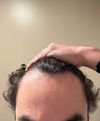
community M20 with Hair Loss - Clascoterone an Option?
A 20-year-old is experiencing hair thinning and is considering Clascoterone and Minoxidil as treatments, avoiding finasteride due to concerns about fertility and hormones. A suggestion was made to use Clascoterone for local DHT targeting and combine it with Minoxidil for maintenance and regrowth while avoiding systemic side effects.
community Pyrilutamide isn’t failed at all.
Kintor is producing a cosmetic with KX826, starting at 0.5% concentration and moving to 1%. The 0.5% concentration wasn't as effective as minoxidil and finasteride, but the 1% concentration shows promise.
community Reasonable and safe stack? Bloodwork within.
A 26-year-old male is using a combination of clomiphene, minoxidil, tadalafil, bupropion, and lisdexamfetamine to address low testosterone, ED, depression, and focus issues. He seeks input on the safety and efficacy of this regimen, which also includes magnesium, zinc, and fish oil supplements.
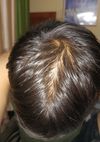
community Is it worth incorporating Minox into my routine?
A 20-year-old diffuse thinner has been using finasteride for 8 months and is considering adding minoxidil to their routine. A user suggests incorporating minoxidil for quicker regrowth, despite the hassle of daily application, while continuing finasteride.
community Anyone using eucapil/fluridil with Minoxidil?
User asks about using eucapil/fluridil with Minoxidil and how to space out application to avoid ineffectiveness. Also inquires about microneedling timing.
community JXL082 is not PP405 and Everychem followed the wrong lead
JXL082 is not the same as PP405, leading to a halt in sales and a plan to synthesize the real PP405. There is skepticism about the safety and effectiveness of JXL082 and PP405, with concerns about patent issues and the long-term impact on hair growth.
community Solution vehicle used by compounding pharmacy
The user is using 0.1% dutasteride, 1% minoxidil with 2% procapil and 0.005% caffeine in the morning, and 1% minoxidil with 2% procapil and 0.01% tretinoin at night. They are concerned about the solution vehicle's effectiveness in preventing systemic absorption and ensuring the products stay around the hair follicles.