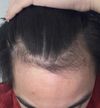
Hair loss treatment with 3 months Minoxidil and Microneedling, 1 month 0.25 finasteride daily. User reports progress, others discuss effectiveness of Microneedling.
A user shared their one-year hair loss treatment progress using oral finasteride, topical finasteride/minoxidil, and microneedling, reporting no current side effects and significant hair improvement. They also use Head & Shoulders for dandruff control and recommend consistency in treatment.
The user noticed new hair growth after using topical minoxidil and undergoing 2 GFC sessions, along with using caffeine shampoo. They plan to start using topical finasteride and minoxidil and are inquiring if shampooing is necessary before application.
The user has been using finasteride for 16 months, minoxidil for 11 months, and started microneedling 2 months ago, experiencing shedding phases. They are questioning whether they are experiencing miniaturization or regrowth.
The user experienced serious hair loss and started using finasteride, minoxidil, microneedling, and argan/rosemary oil. They are asking if they can maintain hair regrowth by stopping minoxidil and continuing only with finasteride and microneedling.
Prolonged use of topical minoxidil and finasteride can lead to neuroendocrine and autonomic dysfunction, causing severe sensitivity and side effects. Recovery involves avoiding these treatments, supporting neurosteroid recovery, calming the sympathetic system, and rebuilding scalp health naturally.
A 30-year-old is using rosemary oil and starting microneedling to address weakening hair, seeking advice on frequency and combination. Another user suggests using finasteride and minoxidil for better results, criticizing the effectiveness of rosemary oil and emphasizing the importance of understanding hair loss causes.
The user treated their hair loss with microneedling, nanoxidil, rosemary oil, jojoba oil, scalp massages, keto shampoo, and supplements. They experienced significant hair regrowth and a reduction in hair shedding within 8 weeks.
The user is starting a new hair loss treatment routine with Minoxidil, Redensyl, Ketoconazole shampoo, and microneedling. They are avoiding finasteride due to potential side effects and are considering future treatments like pyrilutamide.
Minoxidil can be effectively delivered through nanoemulsions containing eucalyptol or oleic acid, enhancing its diffusivity and targeting hair follicles. This contradicts the advice against mixing minoxidil with oils in topical formulations.
A user applied the 8T3 product for hair loss, targeting LPP and AGA, and plans to update on its effectiveness. The product uses a saline buffered phosphate vehicle, suitable for those intolerant to ethanolic vehicles.
The conversation is about comparing hair loss treatments Pyrilutamide (KX-826) and CB-03-01, discussing their cost, side effects, and effectiveness. The user questions whether to try CB-03-01, which is more expensive and potentially less effective, or switch to the cheaper and possibly better Pyrilutamide.
The user experienced good hair growth results using a combination of finasteride, minoxidil, and a topical formulation, but faced temporary numbness as a side effect. They manage this by microdosing oral finasteride and minoxidil and using the topical formulation sparingly.
The user shared progress pictures after three months of using RU58841, finasteride, and OM (oxidative stress modulators) for hair loss treatment. They haven't noticed much change but are seeking feedback on their results.
The user has been using topical minoxidil and finasteride for four months, along with microneedling and Nizoral, noticing thicker lashes and eyebrows but not much scalp hair growth. They apply the treatment twice daily with a 5% minoxidil and 0.3% finasteride solution.
The post is about a user's progress in treating hair loss using HIMS FIN/MIN spray and dermarolling. One user suggests taking the 1mg finasteride pill instead of using the topical spray, while another warns against microneedling every day.
Nicotinamide serum is discussed for its potential benefits in reducing inflammation related to hair loss. One user combines it with minoxidil for hair growth.
Microneedling may enhance hair loss treatment by increasing the effectiveness of topical minoxidil, especially for those lacking the necessary enzyme to activate it. It might also work by triggering growth factors and improving topical absorption.
A user shares their hair loss treatment regimen, which includes oral finasteride, oral and topical minoxidil, RU58841, LLLT cap, microneedling, ketoconazole shampoo, biotin, vitamin D3, NAC supplement, MK677, collagen, and other hair care products. They seek opinions on its effectiveness.
A 28-year-old male reports progress in hair regrowth using 5mg Minoxidil and 0.5mg Dutasteride, noting improvement in the crown area. Another user shares similar positive results since starting treatment in January.
The user has been using a daily capsule containing 1mg finasteride and 2.5mg minoxidil for 11 months, with noticeable regrowth on the crown but minimal improvement on the hairline. They experienced no significant side effects and plan to continue the treatment long-term.
The user shared progress pictures showing hair improvement after using 1mg finasteride daily and 5% minoxidil spray once a day for six months. Other users suggested adding microneedling to enhance results and discussed side effects and product recommendations.
Microneedling is discussed as a method to improve hair growth, with users sharing their experiences and results using different needle depths and frequencies. Treatments mentioned include minoxidil, finasteride, rosemary oil, and saw palmetto supplements.
TDM-105795 showed promising hair growth results, with higher efficacy than placebo and minimal side effects. It activates dormant hair follicle stem cells and may maintain gains without immediate loss, unlike minoxidil.
The conversation is about a user's hair growth progress after 9 months of using oral minoxidil and finasteride, along with dermastamping. The user reports improved hair health and color, with some visible scalp remaining, and no side effects from the treatment.
The user is using oral finasteride, topical minoxidil, and microneedling for hair loss. Progress has slowed, with the crown showing little change, but the hairline is improving with more thin baby hairs.
A user is using microneedling and rosemary/peppermint oil to treat hair loss, avoiding chemicals due to potential side effects. They have seen baby hairs growing after five weeks and plan to continue for a year.
Microneedling with topical minoxidil is effective for hair regrowth, especially with finasteride. Users report fewer side effects compared to oral minoxidil.
Hair loss progress with fin and min treatments since 27th Jan 2023. User experienced positive results using 1mg fin daily, 1ml topical min daily, and 0.75mm dermaroller weekly.