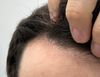
User applied topical Minoxidil 5% and Finasteride 0.1% daily, with rosemary oil weekly, and saw initial baby hair growth. They plan to add derma stamping and Redensyl serum.
A user is comparing Capillus Ultra and Capillus ONE for hair loss treatment, questioning if the number of diodes matters. Another user suggests the OMG helmet as the only worthwhile option.
The conversation is a humorous discussion about excessive hair growth due to using minoxidil, with suggestions of laser hair removal and comments on the appearance of the hair. Some users joke about starting finasteride treatment at a young age or being non-responders to hair loss treatments.
The conversation is about using a dermastamp for hair loss treatment and concerns about a potentially scam product, pp405. It suggests sticking with known treatments like finasteride and minoxidil.
The conversation discusses using 2-deoxy-d-ribose (2DDR) for hair regrowth, with users sharing mixed experiences and side effects like hair loss in new areas and increased anxiety. The original poster plans to continue testing and comparing it to minoxidil, noting potential instability in 2DDR formulations.
The conversation discusses the benefits of combining scalp stem cell treatments and exohealer with RF microneedling before a hair transplant. The original poster recommends these treatments for better results.
The user is experiencing hair regrowth using daily 5% minoxidil and weekly microneedling, and plans to add finasteride soon. They are considering the effectiveness of once-daily minoxidil and adjusting microneedling needle size.
PP405 shows promise for hair regrowth by manipulating stem cell characteristics and lactate dehydrogenase, with Phase 2a trials pending. Google Ventures' $15M investment suggests confidence, but results and market availability remain uncertain.
A mid-50s Hispanic male uses a combination of topical minoxidil and finasteride, microneedling, a laser cap, and biotin to address hair loss, with noticeable progress over 2.5 years. He experiences some side effects but continues the routine, attributing improvements to these treatments.
Microneedling once a week at 1mm caused bumps, possibly scars, in the treated area. The user is considering cleaning the skin before microneedling to prevent this issue.
Minoxidil can inhibit collagen production, potentially causing premature aging. The user is inquiring if Vitamin C serum or derma rolling can counteract this effect.
A user is considering adding PRP and mesotherapy to their hair loss treatment and is deciding between two options: Promoitalia, which contains Phosphatidic acid, Riboflavin, and Superoxide dismutase, and the more expensive Melsmon, a human placenta derivative. They seek advice on which option to choose based on effectiveness and scientific backing.
The user experienced noticeable hair regrowth using topical minoxidil and a dermaroller within a month. They are advised to consider DHT inhibition for lasting results.
Significant hair regrowth was achieved using RU58841, minoxidil, and microneedling during a high-dose steroid cycle. The user reported no side effects from RU58841 and plans to continue the regimen.
A user shared their positive experience using Fleava (copper peptides), minoxidil, and micro needling for hair regrowth, noting significant improvement in their hairline. Other users believe the success is primarily due to micro needling and minoxidil.
The conversation is about a 21-year-old using finasteride, dermarolling, ketoconazole shampoo, hair growth serums, and exosome therapy to treat early-stage thinning on the crown. They are questioning if these treatments are sufficient to improve hair thickness.
Verteporfin is being explored for its potential to improve hair transplant outcomes by reducing scarring and increasing donor hair follicles. There is skepticism about the results, with some claiming misleading presentation of evidence.
Hair growth caps and helmets using low-level laser therapy (LLLT) show potential for treating androgenetic alopecia, but more research is needed. Users often combine these devices with treatments like minoxidil and finasteride for better results.
PP405 shows promise in activating dormant hair follicles and increasing hair counts but lacks detailed efficacy data compared to minoxidil and finasteride. Opinions are mixed, with some optimism and skepticism about its effectiveness.
Lasering off body hair does not boost scalp hair growth, as removing body hair does not redirect hair growth substances to the scalp. The idea that body hair uses up resources needed for scalp hair is incorrect, and treatments like finasteride are suggested for addressing hair loss.
The user is asking if they are experiencing hair regrowth while using a treatment regimen that includes hair regrowth gel with castor oil, minoxidil 5% with latanoprost, dermastamping once a week, ketoconazole shampoo, and nizoral cream. They have shared photos after applying these treatments.
The user plans to enhance their hair loss treatment with oral minoxidil, finasteride tablets, laser cap therapy, and various supplements. They are also considering a hair transplant and exploring reputable sources for these products.
Follica's preferred microneedling protocol for hair growth, which includes needle depth, frequency and movement parameters as well as the use of topical treatments such as minoxidil and finasteride.
A user's 15 month progress with finasteride and minoxidil treatments, which have produced great results. Microneedling depth and frequency were discussed in the replies.
User shares progress after 4 months of using finasteride and dermarolling, with occasional use of coconut and rosemary oil. They aim to stop hair loss and hope for increased top density.
Microneedling with finasteride, minoxidil, DMSO, and black seed oil shows mixed hair regrowth results. There are concerns about DMSO's safety and effectiveness.
The solution contains minoxidil, finasteride, azelaic acid, caffeine, retinoic acid, and procapil. Users suggest minoxidil with tretinoin and a 5-alpha reductase inhibitor, while dismissing retinoic and azelaic acids as unnecessary.
A user shared their positive experience with the Omnilux Red Light mask for skin and potential hair benefits, while also using Minoxidil, Dutasteride, and RU58841. They recommend the mask for those interested in skincare and red light therapy, despite being unsure of its effectiveness for hair growth.
Latisse (bimatoprost) is discussed as a potential treatment for hair growth due to difficulty obtaining PGE2. Users also mention concerns about sourcing reliable products from China.