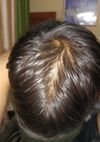
The conversation is about using stemoxydine in addition to minoxidil for hair growth. The original poster is considering adding stemoxydine to their hair loss treatment regimen.
A user is considering switching from oral minoxidil to a combination of 5% topical minoxidil and tretinoin to reduce hypertrichosis. They hope this combination will be effective without causing excessive body hair growth.
Microneedling is more effective when combined with minoxidil, especially for temple regrowth, but is considered near-useless on its own. Users suggest combining microneedling with oral minoxidil and dutasteride for better results, while some caution against potential scalp damage.
Stopping microneedling may result in losing hair gains, as it enhances the effectiveness of treatments like minoxidil. Combining microneedling with minoxidil and finasteride is more effective than using microneedling alone.
Microneedling may still be beneficial for those on oral minoxidil due to its effects on tissue repair and blood flow, not just absorption. Some users report mixed results, and the effectiveness of combining microneedling with oral treatments remains debated.
OP injured their temple using derma rolling and tretinoin, causing peeling and potential hair follicle damage. Users suggest the injury might be permanent, possibly resulting in scar tissue where hair won't grow.
Using finasteride and peptides, including GHK-Cu, improved hair thickness and regrowth. The user also used a KLOW blend and CJC/IPA for better sleep and recovery.
Two twins who used Minoxidil, finasteride and dermarollers to treat their androgenic alopecia over a 10 month time period. The user is providing details on the process they use for dermarolling.
The user experienced noticeable hair regrowth after using finasteride for 5 months and oral minoxidil for 3 months. They are considering adding microneedling to their routine and report no significant side effects.
The conversation discusses the benefits of combining scalp stem cell treatments and exohealer with RF microneedling before a hair transplant. The original poster recommends these treatments for better results.
A user shared their positive experience with a 2987 graft hair transplant focused on the hairline, supplemented by finasteride and minoxidil for the mid scalp and crown. They expressed satisfaction with the results and the supportive care received during and after the procedure.
Hair loss discussion includes treatments Minoxidil, Finasteride, and RU58841. Prolactin's role in immune system's antitumor activity raises safety concerns for HMI-115.
The conversation discusses a user's two-year hair regrowth progress using finasteride, minoxidil, and microneedling. One user asks for a timeline of progress, another comments on hair length, and the original poster mentions using microneedling sporadically.
The conversation discusses the effectiveness of adding RCP (redensyl, capixyl, procapil) to a hair loss treatment regimen that includes minoxidil and finasteride. Users share experiences, suggesting RCP may not be as effective as minoxidil, but could be useful for creating topical solutions.
The conversation discusses using oral Minoxidil, a vasodilator, for both Raynaud's Syndrome and hair loss. It also inquires about other hair loss treatments that improve blood flow.
The conversation discusses hair loss and specific treatments like Minoxidil, Finasteride, and RU58841. It also highlights Procyanidin B-2 as a secret ingredient for hair growth.
Microneedling is considered an important addition to hair loss treatments like Finasteride, Minoxidil, and Nizoral, with evidence suggesting it enhances Minoxidil's effectiveness and can improve hair growth on its own. Users discuss various microneedling techniques, including heavy weekly sessions and lighter daily sessions, while expressing concerns about potential scalp damage and discomfort.
The conversation discusses using minoxidil and finasteride for hair loss, with concerns about absorption and considering adding tretinoin for better results. Microneedling is suggested as a method to improve absorption, with varying depths and frequencies recommended.
Inflammation plays a significant role in hair follicle miniaturization and androgenetic alopecia, with treatments like ketoconazole shampoo, minoxidil, and finasteride being used to address it. Users discuss the benefits of anti-inflammatory treatments and peptides like KPV, alongside traditional hair loss treatments, to improve scalp health and hair quality.
The conversation discusses using daily microneedling at 0.25mm and red light therapy to enhance hair regrowth, especially when traditional treatments like finasteride and minoxidil become less effective. The combination is said to improve hair density and thickness, with red light therapy being more cosmetic, while microneedling is essential for challenging areas.
A user underwent a hair transplant at Moart Clinic in Seoul, receiving 1100 grafts in the crown area after Dutasteride and oral Minoxidil failed to improve a stubborn bald spot. The procedure was successful, with minimal pain and good post-op recovery, costing $6900 USD before a tax refund.
The conversation discusses alternative hair loss treatments beyond the commonly used Minoxidil and Finasteride. One user is trying diclofenac gel, caffeine + antioxidant serum, finasteride, ketoconazole shampoo, and has stopped using Minoxidil due to ineffectiveness, while another user has adopted lifestyle changes like exercise, diet, stress reduction, and topical caffeine, along with scalp massages and microneedling.
User shares 4-month progress using finasteride, minoxidil, and microneedling for hair loss. Others discuss body hair, hair transplant possibilities, and user's treatment response.
A user is considering combining oral and topical dutasteride to lower scalp DHT more effectively and is seeking advice on this approach. They are thinking about doing a patch test on their mid scalp.
The conversation discusses hair regrowth using 2-deoxy-d-ribose (2DDR) combined with minoxidil, with some users noting new hair growth. The original poster has been using minoxidil for 12 years and is considering combining 2DDR with finasteride, despite past side effects.
A 20-year-old diffuse thinner has been using finasteride for 8 months and is considering adding minoxidil to their routine. A user suggests incorporating minoxidil for quicker regrowth, despite the hassle of daily application, while continuing finasteride.
The conversation discusses the delay in bringing FAK inhibitors and Stanford's hydrogel to market for hair transplants, with a preference for FAK inhibitors over Verteporfin due to their superior potential in preventing scarring. The user expresses frustration over the slow progress and hopes for faster development by companies like FAKnostics.