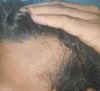
Maneup GHK-Cu peptide was used for hair loss, resulting in some hair growth in the receded hairline, but the new hairs were dry and split easily. Users discussed their experiences with this treatment.
Procapil is marketed as a natural hair loss treatment but lacks strong evidence and is industry-biased. Minoxidil and Finasteride are the only FDA-approved treatments for androgenetic alopecia.
Actifolic's RU58841 and Pyri products are perceived as ineffective, with users reporting no side effects or improvements, suggesting possible quality issues. Users recommend alternative sources and emphasize the importance of timing when using RU58841 with Minoxidil.
The user is experiencing hair loss, possibly due to androgenic alopecia or telogen effluvium, and is considering treatments like Minoxidil, Finasteride, or RU58841. They also mention potential iron deficiency and sleep deprivation as contributing factors.
A user reported success with a once-a-day chewable pill containing Min 3mg, biotin 2.5mg, fin 1.1mg, vit B5 10mg, vit B6 2mg, and vit C 100mg for hair regrowth. They experienced no side effects and noticed healthier hair and more facial hair.
Exploring treatment options for male pattern baldness, including minoxidil, finasteride, and RU58841, with a focus on Eucapil, a topical agent. The post also discusses research from various sources about the efficacy of these treatments.
A user seeks advice on mixing RU58841 serum using European ingredients, specifically struggling to find propylene glycol. They are looking for alternatives to American products commonly recommended in guides.
The conclusion of the conversation is that the user "Shakalakaplaka" shares their comprehensive hair loss regimen, which includes various treatments targeting different pathways such as DHT, inflammation, fibrosis, immune system, testosterone, gut problems, and scalp health. The effectiveness of the regimen is not confirmed, and some users express skepticism or request before and after pictures for credibility.
The conversation is about the availability of hair loss treatments Breezula, SM04554, Follica FOL-004, and Follicum FOL-005 in Canada after FDA approval, including potential delays, loopholes for obtaining them, and insurance coverage.
Excess sebum rich in cholesterol and triglycerides can lead to hair loss through inflammation, with treatments like Ciclopirox shampoo, Benzoyl Peroxide shampoo, and Clindamycin gel recommended for managing conditions like seborrheic dermatitis and folliculitis. Pioglitazone is suggested for Lichen Planopilaris, while Omega-3s and reducing processed foods may improve sebum quality, though genetic factors play a significant role.
KX-826, Breezula, PP405, and Stemson are potential future treatments for hair loss, with varying timelines and mechanisms like blocking DHT and stem cell activation. Users express skepticism about the timeline and mention current options like hair transplants and minoxidil.
The user is using oral minoxidil, ghk-cu, and HGH for hair regrowth, noticing small vellus hairs on the crown. They avoid traditional DHT blockers like finasteride due to side effects, despite skepticism from others about the effectiveness of ghk-cu.
Researchers are working on regenerating hair follicles using stem cells, but a cure for baldness is still years away. Current treatments mentioned include Minoxidil, finasteride, and RU58841.
The user reported gradual hair regrowth after 4 months using oral finasteride, topical minoxidil, dermastamping, and vitamins C and D3. They noted the use of a 1.25mm dermastamp and discussed sourcing finasteride in Canada.
KPV, a peptide patented by L'Oreal, may promote hair growth and reduce hair loss by extending the anagen phase and has anti-inflammatory properties. It could be combined with treatments like minoxidil for enhanced effects.
The user has been experiencing diffuse hair thinning despite using finasteride, minoxidil, dermarolling, clobetasol cream, and PRP sessions. They seek advice on additional treatments and are advised to check vitamin D, iron, and thyroid levels.
The user has androgenetic alopecia (AGA) and low Vitamin D levels, and they started using topical minoxidil (5%). They are considering finasteride but are concerned about side effects and are advised to seek mental health support.
The user shares their experience with hair loss treatments, including oral finasteride, oral minoxidil, and a topical lotion for dandruff, expressing dissatisfaction with past treatments like PRP and hair transplants. They seek advice on a DNA test to determine suitable medications and express frustration with dermatologists' advice.
A user proposed an alternative hair loss treatment stack using topical caffeine, copper, microneedling, and red light as a natural option for those experiencing side effects from finasteride or minoxidil. Other users expressed skepticism, emphasizing that finasteride and minoxidil remain the most effective treatments, while the proposed alternatives are unlikely to provide long-term results.
Using spirulina and chlorella to boost ferritin and iron levels reduced hair shedding by more than half in a month. The user found these natural supplements more effective than regular iron tablets for hair growth.
A user's experience of using Fin, Min and Microneedle treatments to help thicken their hair before undergoing a Hair Transplant (HT) procedure. The conversation also includes discussion about the results post-HT, including pictures.
Microneedling and tretinoin may enhance minoxidil absorption for hair loss, but evidence on their effectiveness is limited. Iron supplements and broccoli sprouts are suggested for enzyme activation, but their impact on hair is unclear.
A 28-year-old male shares his 12-step hair regrowth routine, including finasteride, minoxidil, RU58841, LLLT, dermarolling, various shampoos, supplements, and a healthy diet. He seeks advice on microneedling frequency and mentions experiencing lowered libido and occasional scalp inflammation.
A 26-year-old male with early hair thinning is using finasteride, topical minoxidil, and supplements for deficiencies in iron, B12, and vitamin D3. He is considering adding oral minoxidil to his treatment plan.
Combining Minoxidil with peptide serums like Redensyl, Procapil, and Capixyl is more effective for hair growth than using Minoxidil alone, increasing hair density and thickness. However, some users are skeptical about the effectiveness of peptides, suggesting other ingredients or factors might contribute to the results.
A user improved their hair health by taking 50,000 IU of vitamin D3 weekly due to a deficiency. Others discussed the potential link between vitamin D and hair growth, with some sharing similar experiences and emphasizing the importance of monitoring vitamin D levels and consulting with doctors.
Gizzela is unsure about the dosage and frequency of copper peptides and asks if they can be used with Stemoxydine. They seek advice on applying these treatments together.
The conversation discusses alternative hair growth treatments to minoxidil, including Stemoxydine, Tretinoin, adenosine, Baicalin, castor oil, Latanoprost/bimatoprost, and Redensyl. Users share their experiences and opinions on the efficacy of these treatments.