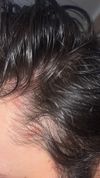
A 25-year-old discusses using castor oil combined with minoxidil for alopecia areata after noticing hair loss. They seek advice on the effectiveness of this treatment.
The conversation discusses the impact of vitamins, stress reduction, and appropriate shampoo on hair health, with the original poster noting slight improvements after two months of using vitamins B5, B6, zinc, and a suitable shampoo. Many users express skepticism about the effectiveness of vitamins for hair loss unless there is a deficiency, emphasizing the importance of addressing DHT and considering 5AR inhibitors.
The conversation is about a user experiencing hair shedding after using a brand of RU58841, questioning its effectiveness and safety. Concerns are raised about RU58841 being an abandoned research chemical and the use of heavy oils like castor and argan oil potentially affecting absorption.
The conversation discusses a hair loss treatment regimen involving dutasteride, pyrilutamide, oral minoxidil, and microneedling, with the aim of suppressing DHT and stimulating hair growth. Users debate the effectiveness and potential side effects of these treatments, noting that individual results may vary and that no treatment is foolproof.
The conversation is a satirical discussion about a baby with hair loss using adult hair loss treatments like finasteride, minoxidil, and ketoconazole, as well as dermarolling, scalp massages, and plans for PRP sessions. Suggestions include various other treatments and humorous advice, reflecting the satire of the situation.
The user is experiencing scalp irritation from using tretinoin and alcohol-based hair loss treatments like stemoxydine. They find that Aquaphor helps with the pain but is difficult to apply in hairy areas.
A person experienced hair regrowth after reducing testosterone levels and using saw palmetto tincture and Alpecin shampoo. Other users suggested treatments like Nizoral shampoo, Aldactone, and supplements for hair loss.
The user experiences histamine intolerance with alcohol-based hair loss treatments like Rogaine foam and seeks alternatives. Suggestions include alcohol-free and PPG-free topical minoxidil or finasteride, and trying Spectral products with different solvents.
A user is using Fluridil for hair loss and is concerned that styling clay and powder might affect the absorption of the treatment. They apply clay in the morning and Fluridil in the evening and are considering switching to a styling powder.
The user shared their hair loss treatment progress using minoxidil, ketoconazole shampoo, a dermaroller, biotin, Pura d'or shampoo, and Propidren. They apply minoxidil daily, take Propidren and biotin pills, use two types of shampoo, and use a dermaroller weekly, avoiding finasteride due to concerns about side effects.
A 25-year-old male using Dutasteride, oral Minoxidil, and Ketoconazole shampoo is experiencing increased hair shedding and vellus hair growth along the hairline. Concerns are raised about whether this is a seasonal shed or a potential setback.
The user is frustrated with hair loss treatments like finasteride, minoxidil, dutasteride, and oral minoxidil, which have been ineffective and caused scalp itching. They are skeptical about these treatments' effectiveness and consider alternative options like ketoconazole shampoo and RU58841.
A user shared their hair loss treatment routine, which includes oral and topical Minoxidil, dermarolling, Keto shampoo, multivitamins, Biotin, oils, protein intake, and water. Another user suggested adding finasteride and continuing the routine for 6-12 months.
The conversation is about finding affordable topical dutasteride without propylene glycol for hair loss treatment. Suggestions include making a DIY solution using dutasteride powder and minoxidil, with sources like Carolina Chemicals and Minoxidil Max mentioned.
A new treatment, clascoterone 5% solution, shows significant improvement in male hair loss but is considered expensive and only slightly effective by some. It has no side effects and may influence market competition.
A user is seeking suggestions for a custom hair lotion mix containing minoxidil, finasteride, caffeine, niacinamide, and biotin. Another user suggests adding tretinoin, topical valproate, and bimatoprost.
The conversation is about finding an effective and gentle shampoo for hair thinning and shedding. The user has tried Alpecin, Revita, and Head & Shoulders but is seeking better alternatives.
A user's progress with using Minoxidil 5% twice daily, dermarolling 1.5mm once per week and ketoconazole 2% shampoo for 2.5 months. Other users have suggested that the user should also use finasteride in order to maintain their results.
KX826 shows promise as a hair loss treatment with a 10% increase in hair count, but concerns about Kintor's marketing practices and the systemic effects of treatments like GT20029 and RU58841 remain. Users express skepticism and hope, with some preferring traditional treatments like finasteride and minoxidil.
PP405 shows promise in activating dormant hair follicles and increasing hair counts but lacks detailed efficacy data compared to minoxidil and finasteride. Opinions are mixed, with some optimism and skepticism about its effectiveness.
Ketoconazole, once popular for hair health, is now less mentioned, with mixed reviews on its benefits for scalp health. Microneedling is discussed as a potential alternative to traditional treatments like finasteride and minoxidil, with varied opinions on its effectiveness.
People discuss various hair loss treatments, including finasteride, minoxidil, ketoconazole shampoo, biotin, vitamins, tretinoin cream, laser caps, and lifestyle changes like quitting smoking. They also mention using products like nutrafol, pumpkin seed oil, fish oil, and scalp massages.
User discusses tight scalp causing hair loss and suggests treatments like scalp massages, PRP, saw palmetto, and eucapil. They share their experience with saw palmetto and eucapil and consider adding PRP and scalp massages for better results.
The conversation discusses a hair loss treatment routine using Minoxidil twice daily, Finasteride once daily, and ketoconazole shampoo twice a week. Users are supportive and curious about the start date of the routine.
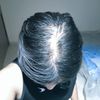
The user experiences scalp inflammation, especially when oily, despite using treatments like dutasteride, oral minoxidil, RU58841, and nizoral. They recently started cetirizine and are considering benzoyl peroxide wash for relief.
A user reported thickening their hairline using a nightly mixture of castor oil, peppermint oil, rosemary oil, and sandalore, without using minoxidil due to side effects. They also continued using alfatriodol for DHT blocking and saw modest improvements after 6 months.
The user experienced hair loss and used minoxidil, biotin shampoo, and supplements like biotin, zinc, fish oil, saw palmetto, and B vitamins, which initially stopped hair loss but did not promote regrowth. They suspect heat causes a dry, flaky scalp leading to hair loss and are considering using a supplementary shampoo and possibly finasteride.
The post discusses using finasteride, minoxidil, ketoconazole, and a dermaroller for hair loss, along with spearmint capsules, pueraria mirifica, saw palmetto, biotin, and vitamins. The user is also considering microdosing finasteride with trans treatment and mentions the potential of herbal enemas and hair systems.
Peppermint oil may promote hair regrowth by decreasing scalp testosterone and DHT levels. Other herbs in the Mint family, like spearmint and rosemary, might also reduce testosterone.