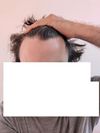
Take 1mg finasteride daily as the standard approach; adjust only if side effects occur. Many users experiment unnecessarily with doses and methods, complicating treatment.
The conversation is about a potential new hair loss treatment called Breezula CB-03-01. Users are discussing updates on its development and sharing personal experiences with making or using it.
The user stopped taking Finasteride after 8 years to try for kids but noticed hair loss and reduced anxiety. They are considering resuming Finasteride to prevent further hair loss.
The conversation is about managing side effects of finasteride for hair loss, with users discussing splitting 1mg pills into 0.5mg doses to reduce fatigue and other side effects. Some users experienced initial side effects like fatigue and heart palpitations, which improved over time or with dose adjustments.
The conversation is about the potential benefits of Rapamycin for hair pigmentation and regeneration, based on effects observed in mice. The original poster is seeking personal experiences from others using Rapamycin for longevity.
The conversation is about a meme related to hair loss that influenced someone to start taking finasteride. Another person agrees that the meme accurately represents the situation.
The conversation is about the use of peptide therapies for hair loss, specifically GHK-CU, ZN-Thymulin, and PTD-DBM. The user is seeking feedback on the effectiveness of these treatments from those who have tried them.
Redensyl, Capixyl, and Procapil combined are compared to 5% Minoxidil for treating hair loss. The discussion focuses on the effectiveness of these treatments.
Finasteride is recommended for hair loss treatment, with potential side effects like erectile issues in 1 in 33 users, which typically resolve after stopping the drug. Users report mixed experiences, with some experiencing initial side effects like brain fog and others seeing no issues, and the drug is generally considered effective for maintaining or regrowing hair.
The conversation discusses a person successfully using a combination of Minoxidil, finasteride, and other treatments for hair loss, resulting in significantly improved hair. Despite some criticism, many admire his dedication to health and anti-aging research.
Finasteride and Ashwagandha are discussed as potential treatments for hair loss, with mixed opinions on Ashwagandha's effectiveness and safety. Some users report no benefits from Ashwagandha, while others caution against its use due to potential liver issues.
Creatine supplementation may increase DHT levels, potentially affecting hair loss. A study is examining this effect, with participants taking 5 grams of creatine daily for six months.
Using vitamin C in shampoo to adjust pH levels can improve hair health and reduce oiliness and dandruff. The user mixed vitamin C powder with conditioner, achieving positive results.
The conversation discusses whether creatine causes hair loss for those using finasteride or dutasteride, with some suggesting creatine might increase DHT or upregulate androgen receptors, potentially leading to hair loss. Others argue the evidence is not conclusive, citing limited studies and personal anecdotes, with some avoiding creatine as a precaution.
The user started using finasteride, minoxidil, and biotin for hair loss and believes they are a hyper responder, noticing significant changes in hair thickness. They regret not starting earlier and mention using oral minoxidil.
Prolactin and cortisol are identified as key factors in hair loss, with stress hormones impacting hair shedding. Finasteride and minoxidil are effective treatments, while DHT's role and individual sensitivity are significant factors.
People are discussing the use of finasteride for hair loss and the importance of hormonal blood testing to monitor effects like changes in DHT and estradiol levels. Some users also mention using minoxidil and the potential side effects of estradiol, such as gynecomastia, especially at higher doses.
KX-826 Phase II results show that a 0.5% concentration performs better than 1% for treating male pattern baldness. Concerns about receptor upregulation from long-term DHT antagonism were mentioned.
Topical finasteride concentrations are likely much higher than necessary for effective follicular DHT suppression, with current standards being 100-1000 times above the theoretical minimum. Lower concentrations (0.001-0.0025%) might still work locally while minimizing systemic exposure.
Many people feel self-conscious about hair loss during haircuts, with some using treatments like finasteride and minoxidil. Others cope by cutting their own hair or finding a trusted barber to manage thinning areas.
Young individuals with seemingly healthy hairlines are using treatments like finasteride, dutasteride, and minoxidil, possibly due to paranoia or proactive prevention of hair loss. Some believe social media influences this behavior, while others argue for waiting until actual hair loss begins before starting treatment.
The conversation is about hair regrowth treatments, including ketoconazole, vitamins, fish oil, collagen, pumpkin seed oil, rosemary, and dermal rolling. Users suggest trying finasteride and intense weight training to enhance results.
The conversation is about a person using dutasteride and minoxidil for hair loss, considering adding RU58841 and PP405 for more density. They are seeking advice on using these treatments and exploring other options like GT20029.
The conversation is about the best way to take finasteride for hair loss, questioning whether it should be taken with food or on an empty stomach for optimal results. People are sharing their experiences with taking finasteride alongside meals.
A user reduced finasteride dosage due to side effects and plans to stop it gradually while continuing minoxidil 2% daily. They aim to replace finasteride with healthy habits, exercise, and supplements.
The conversation discusses skepticism about new hair loss treatments, with many users expressing doubt about the effectiveness and availability of future solutions. Current treatments like minoxidil, finasteride, and hair transplants are mentioned as reliable options.
A user considered restarting finasteride for hair loss despite past side effects, which worried their girlfriend. Others suggested alternatives like topical treatments or lower doses and emphasized prioritizing well-being and relationship stability.
Cyclosporine A is discussed as a powerful hair growth stimulant, potentially more effective than minoxidil, but concerns about safety and side effects, including cancer risk, limit its use. The conversation highlights the need for further research and experimentation with topical application, despite its risks.