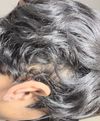
A 21-year-old male, 13 months into hair loss treatment, reports increased hair fall despite using Dutasteride, oral Minoxidil, vitamins, and specialized shampoos. He questions the impact of anxiety and depression on hair fall and is hesitant to seek therapy.
Many users experienced increased diffuse thinning after starting finasteride, with some switching to dutasteride or adding minoxidil in hopes of improvement. Thyroid issues and low ferritin levels were also discussed as potential factors affecting hair loss.
User is depressed about hair loss despite using topical minoxidil for 5 months and topical finasteride for 2 months, with no improvement. Others suggest trying oral finasteride, seeing a specialist for dandruff and oily scalp, and being patient.
The conversation humorously discusses hair loss treatments, focusing on finasteride and hair transplants, with references to public figures like Trump and Biden. It speculates on whether Trump has stopped using finasteride, noting his hair thinning and potential side effects.
Turmeric may slightly inhibit DHT, but it likely doesn't significantly impact hair loss. Creatine might increase DHT levels, but its effect on hair loss is debated and not conclusively proven.
The conversation is about the side effects of finasteride, including Post Finasteride Syndrome, with varied personal experiences and differing views on the credibility of information sources. Some participants also discuss using minoxidil as a hair loss treatment.
The conversation discusses whether creatine is safe to use with finasteride for hair loss treatment. It suggests consulting a doctor before adjusting finasteride dosage.
A user created a web app called TrichoMetrics to track hair loss using photos and metrics like density and thinning. The app supports tracking treatments like Minoxidil and finasteride, with features for setting baselines, comparing progress, and logging treatment adherence.
A 68-year-old is experiencing increased hair loss despite using Minoxidil and is seeking alternative treatments. Suggestions include considering finasteride or RU58841 as potential options.
Addressing hair loss by focusing on posture, blood flow, and craniofacial development. Methods include improving posture, cardiovascular activity, scalp massages, healthy diet, meditation, using minoxidil, and addressing craniofacial issues.
The user experienced significant hair regrowth using finasteride, minoxidil, and other treatments but faced side effects like reduced libido and erectile issues. They are considering switching to Adgain Plus to improve hair health without affecting sexual health.
User experienced hair loss and tried various treatments, including Minoxidil, Finasteride, and Spironolactone. They face a dilemma between continuing treatments for hair regrowth and having a therapy cat, as Minoxidil is toxic to cats.
The user has been using finasteride and oral minoxidil for hair loss but hasn't seen improvement and is quitting nicotine and caffeine to see if it helps. Some believe quitting nicotine improved their hair health due to better blood flow, while others are skeptical about the impact of blood flow on hair loss.
The user experienced hairline recession despite using topical finasteride/minoxidil and is considering whether misapplication was the cause. They are exploring options after experiencing side effects from oral finasteride, including possibly returning to the topical formulation with adjusted application methods.
A 49-year-old is using finasteride, minoxidil, tretinoin, and ketoconazole shampoo to combat advanced hair loss and hopes for enough regrowth to consider a hair transplant. Progress is slow, but some improvement is noted by others.
A 33-year-old man is concerned about potential hair loss, comparing his hairline to his father's and noticing increased shedding and thinning. He is considering treatments like Minoxidil and Finasteride but is unsure if he has male pattern baldness.
The user is experiencing asymmetrical hair loss at the frontal hairline and is concerned about potential conditions like frontal fibrosing alopecia. They have started using finasteride and pumpkin seed oil to address the issue.
The conversation humorously discusses the complexity of understanding and treating male pattern hair loss, mentioning treatments like Minoxidil, finasteride, RU58841, Dr. Brotzu's lotion, and Dr. Tsuji's hair cloning. The original post satirically claims that only those with high intelligence can appreciate these treatments.
The conversation discusses whether drinking green tea affects hair loss, with one user concerned it might increase DHT levels. The user is already using finasteride and wants to ensure green tea doesn't hinder progress.
A person feels intense shame and self-hatred due to baldness and poor self-image, affecting their confidence and social interactions. Suggestions include therapy, exercise, braces, hair transplants, and using finasteride.
An arthritis drug, baricitinib, is discussed as a potential treatment for autoimmune alopecia, not androgenetic alopecia. Ritlecitinib is also mentioned as a possible treatment for scarring alopecia.
A 21-year-old expresses feeling alone and invalidated in his struggle with hair loss, seeking empathy from others. Some users share similar feelings, while one mentions making progress with dutasteride and minoxidil treatments and considering a hair transplant.
A user is considering starting finasteride at a lower dose to prevent hair loss but is concerned about potential side effects. They seek advice on whether others have had positive experiences with minimal side effects.
The conversation is about whether taking 0.5mg of finasteride daily is as effective as 1mg for hair regrowth and if there are long-term studies supporting the lower dose. The user is considering the lower dose to save money and reduce concerns about side effects.
SCUBE3 and Amplifica's progress in hair loss treatment is being discussed, with inquiries about their current status and clinical trials. No specific updates or new information are provided in the conversation.