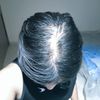
TWIST-1 gene's role in hair loss and potential as a treatment target. Inhibiting TWIST-1 may prolong hair growth and reduce hair follicle sensitivity to DHT.
A user plans to experiment with creating new hair follicles using methods like derma rolling, applying lithium chloride, tannic acid, and various other substances including caffeine, ketoconazole, and raspberry ketones. They also consider using anti-inflammatories, immunosuppressants, and DHT inhibitors to potentially improve results.
Volume boost shampoos, specifically Schwarzkopf Professional Bonacure Collagen Volume Boost Micellar Shampoo, may potentially impact hair due to creatine's effect on DHT. The user likes the shampoo for its gentle nature and thickening effect but is concerned about long-term use.
The user has been using a hair regrowth regimen for 9-10 months, including topical finasteride and minoxidil, various oils, and supplements like multivitamins and omega-3. They observed fine hairs returning and a change in scalp texture after adding cinnamon oil, questioning if this indicates positive hair regrowth.
Participants want to maintain hair until at least age 30, using treatments like finasteride, dutasteride, and minoxidil. Hair loss remains a concern, with some considering hair transplants.
A user experiencing diffuse thinning since age 18 describes their hair as unhealthy, dry, thin, and hard, with texture changes cycling between good and bad every few weeks. They are not on any medication, only taking vitamins and supplements.
The user has trouble applying minoxidil foam to their long, curly hair and experiences product buildup, leading to frequent hair washing. They are considering switching to liquid minoxidil but are concerned about scalp sensitivity and do not want to use oral treatments. Another user suggests that topical minoxidil doesn't need to be applied to the entire scalp to be effective.
A South Korean company, Therazyne, has developed a promising hair loss treatment using a WNT chain surrogate that binds to Frizzled 7, with human follicle testing expected soon. Current treatments like minoxidil and finasteride are not seen as cures, and while optimism exists for future solutions like PP405, approval processes are lengthy.
Castor oil's effectiveness for male pattern baldness, receding hairline, and thinning crown is questioned, including its application method and potential side effects. The user also mentions experiencing hair shedding with coconut oil.
The user is experiencing hair regrowth and increased hair thickness after using supplements like biotin, zinc, selenium, and a complex with various natural ingredients, along with topical caffeine. They are considering using topical minoxidil and mesotherapy in the future.
John Cazale's hairline showed strong recession at the temples but maintained solid volume and density, sparking discussion on different hair loss patterns and the importance of overall hair density. Treatments like Minoxidil and Spironolactone were mentioned as potential factors in maintaining hair, though genetics and styling were also considered significant.
A 21-year-old with accelerated hair loss due to stress and weight loss is using minoxidil, finasteride, and microneedling to combat balding, despite experiencing a significant initial hair shed. They are committed to continuing treatment for at least three months and are considering switching to topical finasteride if necessary.
A healthy scalp barrier is crucial for hair growth, and ceramides may play a key role in maintaining it. The conversation suggests that focusing on scalp health, alongside treatments like Minoxidil, Finasteride, and RU58841, could improve hair follicle health.
A user shared their positive experience with Laq herbal shampoo and Sevich Batana oil for hair loss due to PCOS and an unbalanced diet. They noticed significant improvement after three weeks of using these products.
Hair fibers effectively cover thin hair areas, boosting confidence and reducing stress about hair appearance. Users discuss combining hair fibers with other products like hair spray, dermmatch, and Boldify, noting challenges like blocking minoxidil absorption and the importance of color matching.
HairClone aims to rejuvenate miniaturizing hair follicles through follicle banking and cell expansion, with treatments potentially available in the UK by 2022. The process involves extracting, storing, and cloning hair follicles, but full regenerative treatments will take many years to develop.
A 28-year-old male on TRT with a family history of MPB reports that consuming 1-2 tbsp of virgin coconut oil daily reduces hair loss and improves hair condition. Stopping the oil leads to increased hair fall and dryness.
The user started treating hair loss with minoxidil, Nizoral shampoo, dermarolling, and castor oil, and noticed small hairs growing at the temples. They plan to add biotin and azelaic acid to their routine but are avoiding finasteride due to potential side effects.
A naturally occurring sugar, 2-deoxy-D-ribose, may promote hair growth by forming new blood vessels. There is skepticism about its effectiveness and concerns about potential side effects, with some users comparing it to existing treatments like Minoxidil and finasteride.
A user discusses their struggle with female pattern baldness, mentioning that Minoxidil helped initially but their hair health declined after stopping a specific diet. They seek advice on managing oily, brittle hair and mention using an egg yolk and olive oil mixture as a temporary solution.
Piroctone olamine is more effective than ketoconazole for increasing hair growth and reducing itching and dandruff. Treatments discussed include Minoxidil, finasteride, and RU58841.
A 21-year-old is experiencing hairline recession and is using finasteride, saw palmetto, gelatin, topical minoxidil with retinoic acid, derma stamping, and scalp massage to address it. Suggestions include adding oral minoxidil, vitamin D3 with K2, and maintaining the current regimen for a year.
User experienced hair loss due to anorexia and stress, leading to a difficult journey with wigs and self-esteem. Hair regrowth occurred with spironolactone, but recent hair loss returned, causing uncertainty and emotional struggles.
The user is using minoxidil, finasteride, dermarolling, and other treatments for hair regrowth, showing promising results in the temple area. Despite some skepticism, there is optimism about potential improvement.
Hair loss discussion with a focus on a single resilient hair, jokingly called "chad hair," that remains despite hairline receding. Some users suggest microneedling and hair follicle cloning as potential treatments.
MCT oil helps reduce dandruff, flaking, and itching, and may slow hair loss progression. Eliminating sugar and dairy also stabilizes hair loss, while zinc, sugar, and dairy can worsen scalp conditions.
L'Oreal is working on hair cloning, with multiple companies using similar techniques, making hair cloning likely by 2030. The conversation expresses optimism about the progress and potential affordability of hair cloning solutions.