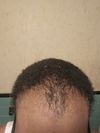
The conversation is about hair loss treatment using finasteride, ketoconazole, and sulfur soap, with consideration of starting dermastamp. The user prefers not to use minoxidil.
PP405 may help with hair regrowth, especially when combined with minoxidil and finasteride, but its long-term effectiveness is unclear. Phase 3 trials are expected to begin soon, with results in a few years.
DHT may inhibit hair growth by affecting mitochondrial function, leading to hair follicle miniaturization. Treatments like minoxidil and PP405 may promote hair growth by altering metabolic pathways, potentially counteracting DHT's effects.
A 24-year-old male is considering the "Big 4" treatments (Finasteride, Minoxidil, Ketoconazole shampoo, and Microneedling) or a hair transplant for hair loss. Most users recommend starting with Finasteride and Minoxidil to stabilize hair loss before considering a transplant.
A user diagnosed with Crohn's disease is concerned it might contribute to balding. They have been using keto shampoo, finasteride, and oral minoxidil, which improved their hair but not significantly.
A 23-year-old male has been using 0.25mg finasteride daily for 4.5 months to address early-stage male pattern baldness, with positive results and no significant side effects. He plans to continue with this dosage and may consider increasing it or adding minoxidil if necessary.
The conversation is about hair loss treatment progress using a combination of 0.1% finasteride, 0.025% tretinoin solution, and 2.5mg oral minoxidil. Users express positive reactions and hope for similar results.
A 12-year-old diagnosed with alopecia shares their experience and current treatments, including Dermovate, an unnamed cream, and liquid iron. The community offers support and encouragement.
The user added P5P (vitamin B6) to their shampoo to reduce scalp itch, which improved significantly. They have been using finasteride for hair loss but are exploring additional treatments like topical antiandrogens and prolactin inhibitors.
How diffuse unpatterned alopecia (DUPA) is not an invitation to self-diagnose oneself with aggressive AGA and that seeking a specialized dermatologist may help people experiencing hair loss. Treatment options discussed include topical clobetasol propionate, oral minoxidil, and discontinuing finasteride.
A user is exploring VEGF gene therapy to enhance hair transplant results, considering measuring hair shaft diameter and growth rate. Suggestions include using phototrichograms and possibly adding PRP, though its effectiveness is uncertain.
The conversation discusses a new product from Actifolic, which combines RU58841 and GHK-CU for hair loss treatment. The participants are considering whether it's worth trying.
Pyrilutamide, a new drug being tested to combat hair loss that has been found to perform comparably or better than finasteride and dutasteride in the initial 6 months of treatment with minimal reported side effects.
Fluridil, a non-steroidal anti-androgen approved for alopecia in parts of Europe, is noted for its low side effects but is not commonly discussed. The user is inquiring if anyone prefers it over other anti-androgens like Spiro or RU58841.
User ItchyRaccoon experienced significant hair loss reduction using Eucapil after trying low-dose topical finasteride with no results. Some replies mention that shed hair counts are not reliable indicators of hair loss progression or regression.
A user is concerned about hair loss in the temple area despite using Minoxidil and finasteride for 10 months and is curious if PP405 can help. Responses indicate uncertainty about PP405's effectiveness, with some optimism about future treatments and AI speeding up drug discovery, but emphasize waiting for clinical trial results.
Nearly 40% of adults with alopecia areata achieved at least 80% scalp hair coverage after 52 weeks of taking OLUMIANT® 4-mg. The conversation distinguishes this success from androgenetic alopecia, which is a different type of hair loss.
Alfatradiol is considered safe but less effective than finasteride for hair loss. One user reported subtle regrowth using alfatradiol with finasteride and minoxidil, while another found alfatradiol ineffective.
The conversation discusses using USB microscopes for scalp photos and provides a link to an overview of trichoscopy. Treatments mentioned include Minoxidil, finasteride, and RU58841.
Automatic-Law-3612's progress with hair loss treatments, including topical finasteride, topical dutasteride, minoxidil and pyrilutamide. They have been using these products for two weeks and noticed baby hairs in their temples getting longer.
A user expressed satisfaction with a hair and beard transplant at HairofIstanbul using 3200 grafts and PRP, achieving natural-looking results without finasteride or minoxidil. The transformation was praised, though some noted the beard line appeared artificial.
A 24-year-old noticed hair thinning over 4-6 years and is seeking advice on whether it can be salvaged. Treatments mentioned include Minoxidil, finasteride, and RU58841.
The conversation is about comparing the effectiveness of Minoxidil alone versus Minoxidil combined with other substances like Tretinoin, LCLT, Procapil, Aminexil, and Capixyl for hair growth. One user did not understand the terms used.
A user shared their 4-year experience with oral finasteride and 2-year experience with oral minoxidil for hair regrowth, noting minor side effects like weaker erections and increased hair growth elsewhere. They reported significant regrowth primarily from finasteride and maintained a consistent dosage of 1mg finasteride and 2.5mg minoxidil daily.
A user shared their positive experience with a hair transplant at Wimpole Clinic, performed by Dr. Malkani, and discussed using finasteride at a reduced dose due to side effects. They also mentioned avoiding minoxidil due to heart pain and taking supplements like biotin, marine collagen, viviscal, and krill oil.
A double-blind clinical study that found ingestion of tocotrienols resulted in a 34.5% increase in hair regrowth compared to the placebo group, and discussion about potential side effects and cost of supplementation with vitamin E pills. The conversation noted that it may be more effective than commonly used treatments like minoxidil and finasteride.
A user is concerned about using Alpicort, which contains Prednisolone and Salicylic Acid, for male pattern baldness. They are unsure if it will help or worsen their condition and are seeking advice.
The conversation is about someone's 4.5-month progress using oral finasteride and topical minoxidil once daily for hair loss. They shared their results with progress pictures.
Age-linked hair loss is linked to disappearing collagen. Treatments discussed include minoxidil, finasteride, RU58841, tretinoin, microneedling, and collagen supplements.