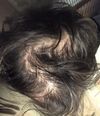
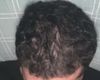
A user who underwent a hair transplant in Istanbul to reduce balding, and the discussion of various treatments such as finasteride and growth hormone for preventing further hair loss.
A person experienced severe sexual side effects, including loss of libido and erectile dysfunction, after using finasteride and dutasteride for hair loss. They stopped the medications and sought advice, but recovery was slow and uncertain.
Cold shock therapy may promote hair growth by stimulating follicular muscles and affecting stem cells. The exact mechanisms and full range of elements involved are not yet fully understood.
Cold shock therapy may promote hair growth, but cold alone is not effective. Combining treatments like minoxidil, finasteride, cold showers, spicy foods, and exercise may enhance results.
Cold showers may improve scalp health for some, reducing itchiness and dandruff, but may increase dandruff for others while improving hair texture. Individual experiences with cold showers and scalp health vary.
User achieved hair regrowth in 4.5 months using Fin, Min, Nizoral, vitamins, dermarolling, and cold water washes. Cold water washes improved scalp health, but unsure if significant contributor to regrowth.
A method for treating androgenic alopecia using minoxidil, antiandrogens, exercise, and cold exposure to promote hair growth. Environmental factors and lifestyle changes, like diet and exercise, can improve treatment effectiveness.
Treating androgenic alopecia with minoxidil, finasteride, and antiandrogens, alongside exercise, cryotherapy, and natural substances to stimulate cold receptors for better hair growth. The method focuses on enhancing treatment effectiveness by considering environmental and behavioral factors and the role of cold receptors and muscle stress.
The method combines finasteride, minoxidil, intense leg exercises, and cold exposure to treat androgenetic alopecia. It aims to boost metabolism and reduce androgenic effects, enhancing hair growth.
Microneedling stimulates hair growth through stem cell activation during wound healing, not just increased blood flow. Other methods like showers or supplements don't replicate this effect.
The treatment for androgenetic alopecia involves using finasteride and minoxidil with intense exercise and cold exposure to boost metabolism and reduce androgenic effects, potentially leading to hair regrowth. This approach may activate biological pathways for improved hair and overall health.
A user noticed hair loss after stopping the use of coconut oil due to cold weather. Another user suggested that the scalp might have become unhealthy from the dry conditions and lack of oil.
The conversation humorously discusses inducing goosebumps to potentially reverse hair loss, with mentions of using cold therapy and muscle exercises. It also references other unconventional ideas like removing a testicle to lower DHT.
The user improved diffuse thinning without finasteride by using minoxidil foam, cold showers, gentle hair drying, 2% ketoconazole, sulfate-free tea tree oil shampoo, dermastamping, and supplements like Omega-3, Vitamin-D, Biotin, Keratin, Collagen, B3, Zinc, and Magnesium. The regimen was followed for about six months under dermatologist guidance.
The user shared progress pictures after using topical finasteride, minoxidil, and tretinoin for about 9 months, along with weekly microneedling, cold showers, and a diet free of processed foods. They reported no side effects.
A 33-year-old male is seeking advice on reversing grey hair while using minoxidil, finasteride, ketoconazole, derma rolling, cold baths, and leg exercises for hair loss. Another user mentions hearing about GHK-Cu for grey hair reversal.
A 23-year-old male using minoxidil once daily is concerned about hair loss and hesitant to use finasteride due to potential side effects. Suggestions include adding finasteride, exercise, cold showers, spicy food, infrared exposure, sunbathing, and tretinoin.
Stemoxydine is highly recommended for hair loss, preferred over Minoxidil due to fewer side effects and dependency. The user also uses finasteride, Pur'ador shampoo, and suggests cold showers and spicy food as part of their routine.
The user experienced hair regrowth using finasteride and topical minoxidil, with consistent application and lifestyle changes like using cold water and exercising. They noted initial shedding when restarting minoxidil but saw positive results over six months.
Exercise, especially leg workouts, combined with finasteride and minoxidil, may enhance hair regrowth. Cold exposure, like cold showers, might further boost results.
The conversation is about treatments for androgenetic alopecia, focusing on hyperresponders. Treatments include Minoxidil, finasteride, RU58841, leg training, and cold therapy.
A 21-year-old shared their one-year hair loss treatment journey, using finasteride, a multivitamin, cold water hair washes, peppermint and jojoba oil, zinc, iron, L-arginine, vitamin D, and ashwagandha. They advise seeing a doctor for finasteride, considering lifestyle changes before minoxidil, getting blood work, talking about the issue with friends, and sticking to a treatment plan for at least six months.
Treating Seborrheic Dermatitis, a fungal scalp condition which can cause hair loss. Treatments discussed include antifungal shampoos, cold showers, exfoliating the scalp, taking Vitamin D, and stimulating the prostate through the anus.
The user stopped using minoxidil due to side effects and is trying alternatives like vitamin D supplementation, scalp massages, cold showers, oil treatments, zinc shampoo, and dermarolling. They report improved scalp health and some new hair growth, despite skepticism from others about the effectiveness of these methods.
A user likes a natural hair styling product that makes their hair look thicker and is seeking opinions on whether it could harm hair follicles. They also question if cold water is sufficient to wash the product out and mention they are experiencing hair thinning.
The conversation discusses hair loss treatments, specifically using topical finasteride and minoxidil combined with microneedling, along with supplements like collagen, vitamin C/D, and saw palmetto. The user also mentions using a DHT-blocking shampoo and experimenting with cold showers and contrast therapy for hair health.
A 22-year-old male is experiencing hair loss due to seborrheic dermatitis, not male pattern baldness, and is seeking advice. Suggestions include using Nizoral, sulfate-free and ketoconazole shampoos, cutting hair short, using cold water, avoiding picking scabs, and trying selenium sulfide shampoo or finasteride.
The conversation discusses the potential effects of ashwagandha on hair loss and anxiety, with users sharing mixed experiences. Some users caution against ashwagandha due to its potential to increase testosterone and DHT, which could counteract finasteride's benefits, while others suggest alternative methods like exercise, cold showers, or different supplements for managing anxiety.
A user switched from finasteride to dutasteride and experienced continuous shedding but is now seeing some regrowth. Others shared similar experiences, noting that shedding can continue but hair often improves over time with dutasteride.
The conversation is about a user sharing their one-year progress using oral finasteride for hair loss, noting some improvement. Other users suggest trying dutasteride or adding topical minoxidil for better results.