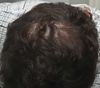
Successful hair regrowth after six months using finasteride and topical minoxidil, with minimal side effects like anxiety. Finasteride was the main treatment, and minoxidil supported regrowth.
People discussed using finasteride, minoxidil, and dutasteride for hair loss, with mixed results and side effects. Some had positive outcomes, while others experienced issues like libido changes and chose alternatives like hair systems.
A 25-year-old male is experiencing hair thinning at the hairline and vertex, considering using a dermapen or dermastamp, and seeking advice on whether to continue with natural remedies like onion juice and rosemary oil or start using minoxidil or finasteride. He is also looking for recommendations on microneedling devices.
PP405 is a potential hair loss treatment that may activate dormant hair follicles, but there are concerns about its effectiveness, cost, and side effects. Users discuss treatments like minoxidil, finasteride, and RU58841, expressing skepticism about PP405's long-term success and accessibility.
Some users experience worsening hair loss with dutasteride and improvement after switching back to finasteride, while others find better results with dutasteride. The effectiveness of treatments like finasteride, dutasteride, minoxidil, and RU58841 varies, requiring individuals to try different combinations or dosages to find what works best.
Finasteride is discussed as a hair loss treatment with benefits like reduced prostate enlargement and skin aging, but it is not seen as a "fountain of youth." Users report mixed experiences, including side effects like decreased libido and dry eyes.
Dutasteride caused persistent hair shedding and no improvement for 18 months, leading to a switch back to finasteride. The user also uses oral minoxidil and plans to focus on better scalp health.
Baldness is not an evolutionary disadvantage because it occurs after reproductive age. Treatments like Minoxidil and Finasteride are used for androgenetic alopecia but don't address the root cause.
Hair loss is emotionally challenging, but acceptance and focusing on other life aspects are important. Treatments like finasteride, minoxidil, and RU58841 are discussed, with emphasis on the emotional impact over physical changes.
Switching from finasteride to dutasteride led to significant hair thinning and receding for the user, despite using topical minoxidil daily. Many users suggest that shedding is common with dutasteride, but some recommend returning to finasteride if no improvement is seen after a year.
Dutasteride and finasteride may temporarily affect semen quality but are unlikely to cause permanent infertility. The Kim et al. study is criticized for poor methodology, and many prefer hair retention over potential fertility concerns, using treatments like dutasteride, finasteride, and minoxidil.
A user shared their successful hair regrowth journey using 0.5 mg Dutasteride, 2.5 mg oral Minoxidil, and Biotin gummies, after switching from Finasteride due to insomnia. They highlighted the importance of brushing the scalp for blood flow and reported significant progress in four months without side effects.
A user shared 14-month progress pictures using topical finasteride and minoxidil for hair loss. Others commented on the impressive results and asked about age, improvement timeline, and how to obtain finasteride.
The conversation is about future hair loss treatments. Current treatments mentioned include finasteride, minoxidil, and RU58841, with potential future treatments like GT20029, TDM-105795, JW0061, and follicle cloning.
Finasteride and oral minoxidil significantly improved hair texture and thickness over 8 months. The user also experienced increased hair growth on the beard and eyebrows.
User shared a 2-year progress update on hair regrowth using 1mg finasteride and 2.5mg oral minoxidil daily. They switched from topical to oral minoxidil for ease of use and showed significant improvement.
A 47-year-old user shared their 6-month hair loss treatment results using a Fin/Min spray and weekly dermarolling. They experienced scalp irritation with other products but found success with the Hims Fin/Min spray, noting improvements around the 5th month.
Dutasteride raises scalp testosterone by 99%, which may not be ideal for those sensitive to all androgens. Some argue finasteride's balancing act might be better, while others believe dutasteride is superior for hair regrowth.
A user shared progress pictures showing significant hair regrowth after two months back on finasteride and minoxidil, following a two-year break. The user also mentioned experimenting with hair dye and considering growing their hair for an undercut.
The conversation discusses the importance of early action in various aspects of life such as healthy eating, skincare, fitness, sleep, financial planning, and career development to prevent future health issues, regret, and financial hardship. Specific treatments mentioned include using sunscreen and tretinoin for anti-aging skincare.
The conversation discusses the potential link between hair loss treatment pills, specifically finasteride, and infertility. Users share their experiences and opinions, with some suggesting that finasteride can temporarily lower sperm count, while others argue that other factors like age and lifestyle could also contribute to infertility.
Quitting minoxidil can lead to significant hair loss, even in areas that were not thinning before, as hair becomes reliant on the treatment. Some users also report losing hair gains when stopping minoxidil despite taking finasteride.
The user "Matryxv" shared their progress with hair loss, using finasteride, minoxidil, ketoconazole, dermarolling, and other treatments. They achieved significant hair regrowth in a short amount of time, surprising both themselves and other users.
Hair loss discussion involving finasteride's side effects and effectiveness. Users shared mixed experiences, with some reporting side effects and others seeing positive results.
A user using finasteride and dutasteride to treat hair loss, but still losing hair rapidly after stopping minoxidil. Replies suggest that the user should try oral minoxidil or switch to dutasteride for better results.
At this point.
In this conversation, users discussed the risks of drinking topical minoxidil and suggested alternative treatments such as obtaining a prescription for oral minoxidil or finasteride.
?
This post by PastelDeUva discusses their experience with Minoxidil and Finasteride for hair loss treatments, which they stopped using for a year before resuming due to family's negative opinion. After restarting, they posted photos of the progression/regression of their hairline and are now planning on adding finasteride and dermarolling in order to get good results.
A user's hairline recovery after severe hair loss, which was treated with Dutasteride and Minoxidil; other users offered their opinions on the severity of the hair loss.
User noticed hair thinning at 26 and used minoxidil for 2 years with slight improvement. Stopping minoxidil led to dramatic hair loss, and others shared similar experiences, suggesting minoxidil and finasteride should be used consistently for best results.
User balding1337 shared their hair loss treatment success using Finasteride 1mg/day, Minoxidil 5% 2x/day, microneedling at 1.5mm, and Biotin+Multivitamins. Another user mentioned that microneedling with minoxidil is 3-4x more effective than minoxidil alone.