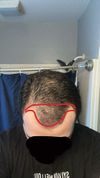
The user has been using Dutasteride and topical Minoxidil for hair loss, considering switching to oral Minoxidil and increasing Dutasteride dosage. They are seeking advice on whether to change their current regimen or continue, with some users suggesting oral Minoxidil and others cautioning about potential side effects.
Dutasteride, at 1 mg daily, was used for hair regrowth, with initial shedding and side effects like watery semen and increased libido. The user previously tried finasteride and minoxidil but switched to dutasteride for stronger, sustained results.
The conversation discusses the use of 1% ketoconazole shampoo, like Nizoral, for hair loss and scalp issues. Users suggest it may help with early hair loss and scalp conditions but is not as effective as other treatments like minoxidil and finasteride.
The user experienced significant hair loss after three years on finasteride, possibly due to inconsistent use, stress, or a cyclical shed. Suggestions included using reminders for consistent medication intake, considering dutasteride, and addressing stress factors.
The user experienced significant hair regrowth after switching to oral finasteride and minoxidil in February 2025. They plan to stop using topical minoxidil gradually and have not experienced significant side effects from the treatment.
The user is experiencing hair loss and has been using topical Minoxidil 5%, Keto 2% shampoo, and Tretinoin 0.025% for six months, with plans to start topical Finasteride 0.1% soon. They are advised to focus on DHT blockers like Finasteride and consider additional tests and supplements to address potential deficiencies and scalp health.
The conversation discusses skepticism about DHT blocker supplements for hair loss, with many users recommending proven treatments like finasteride and minoxidil instead. Some users shared personal experiences with alternative treatments like beta-sitosterol and saw palmetto, noting side effects and limited effectiveness.
The conversation discusses the use of RU58841 for hair loss, with concerns about its legality in Germany and potential legal consequences. Alternatives like finasteride and dutasteride are mentioned, with some users questioning the effectiveness and safety of RU58841.
Switching from finasteride to dutasteride improved hair thickness and regrowth for many users, with some also using minoxidil and dermarolling. Users reported varying timelines for results, with some seeing improvements in 8-12 months and minimal side effects.
The user experienced hair thinning after using expired Finasteride for two months and is concerned about its effectiveness. They have resumed using a new box and hope to recover any lost progress.
Stopping minoxidil can lead to significant hair loss, but resuming it may help regain hair. Users emphasize the importance of continuing minoxidil and finasteride to maintain hair health.
The user shared progress in hair regrowth over 2.5 years using oral minoxidil, finasteride, and dutasteride, noting significant improvement in hair thickness and hairline. They switched from finasteride to dutasteride due to frequent shedding and reported no side effects from the treatments.
A 40-year-old shared their positive experience with a second hair transplant at HDC Cyprus, involving 4148 grafts and costing around 9,000 euros. They used oral minoxidil, Dutasteride, biotin, and vitamins to aid recovery and were pleased with the results.
A person is considering starting hair loss treatments before their wedding in a year, with options including laser treatment with Saw Palmetto shampoo and conditioner, or Minoxidil and Finasteride. They are concerned about potential shedding from Minoxidil and Finasteride and seek advice on when to start treatment to avoid shedding on their wedding day.
A 21-year-old male has been using finasteride and minoxidil for four months with little progress in hair regrowth, despite adding microneedling and rosemary oil to his routine. Users suggest patience, maintaining the current treatment, and possibly simplifying the routine by dropping rosemary and microneedling.
Dutasteride is often more effective than finasteride for blocking DHT, but results vary and some may experience side effects. Combining minoxidil with either medication can improve hair regrowth, but switching doesn't guarantee better results for everyone.
The user has been using minoxidil and finasteride for a year without seeing progress and recently added a derma stamp. Suggestions include trying oral minoxidil, switching to dutasteride, and considering vitamin D and saw palmetto.
Many would trade beard growth for a full head of hair, using treatments like minoxidil and finasteride. Some prefer beards or have experienced side effects, leading to mixed opinions.
Switching from spironolactone to bicalutamide caused severe hair shedding, despite using treatments like dutasteride, minoxidil, and estradiol injections. The user is experiencing androgenetic alopecia and is seeking solutions to stop the hair loss.
The user switched from finasteride to dutasteride and experienced noticeable hair regrowth without side effects, though some users questioned the necessity of such a potent treatment given the minimal hair loss. The conversation also touched on potential side effects of dutasteride, such as reduced sperm quality, but the user reported no issues.
The conversation discusses a user's positive experience with hair loss treatments, specifically transitioning from finasteride and minoxidil to dutasteride and minoxidil, resulting in improved hair regrowth and fewer side effects. The user highlights dutasteride as more effective and with fewer side effects compared to finasteride.
To increase hair density appearance, options include using hair fibers, volume powders, scalp micropigmentation, and a combination of sea salt and holding sprays. Tape-in extensions and clip-in fringes are also considered, but cost and maintenance are concerns.
A user shared their experience with a second hair transplant by Dr. Gokhan Gur, focusing on the midscalp and crown with 1849 grafts. Their current treatment includes dutasteride, finasteride, oral and topical minoxidil, and Nizoral shampoo.
The user is experiencing positive hair regrowth after four months using a topical serum containing 0.3% finasteride and 6% minoxidil, specifically from the brand Hims. They apply the serum mainly to the hairline and have not observed any side effects.
The conversation discusses the use of Propecia (finasteride), Minoxidil, and Ketoconazole shampoo for hair regrowth, highlighting significant side effects like reduced libido and motivation. The original poster eventually stopped these treatments due to side effects and switched to microneedling and essential oils, which helped slow hair loss but did not achieve the same regrowth as the initial treatments.
PP405 targets hair follicle stem cells differently than exercise-induced lactate, suggesting exercise alone may not replicate its benefits. Minoxidil and finasteride are recommended alongside exercise for hair regrowth, with additional suggestions like spicy food and infrared exposure.
The conversation discusses a user's impressive hair regrowth progress over 17 months using a topical minoxidil and finasteride spray from HIMS, with suggestions to add microneedling for better results. Some users express skepticism about the authenticity of the results, while others inquire about side effects and application methods.
The conversation is about dealing with dry scalp caused by using Nizoral shampoo. Suggestions include using medicated scalp solutions, drinking more water, trying different shampoos and conditioners, and using oils like coconut or olive oil.