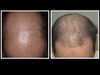
Injectable GHK-CU and BPC157 were discussed for hair loss, but users did not notice significant hair changes. BPC157 was noted to help with shoulder issues.
A user's 7-month progress using 1 mg finasteride and topical minoxidil, with no side effects from the finasteride, achieving baby hairs on the hairline and other positive results. Other users have discussed different treatments such as microneedling and supplements, providing advice and encouragement to the poster.
The conversation discusses Peptonix microneedling, a copper peptide serum, as a potential hair loss treatment. Users compare it to finasteride and minoxidil, noting side effects and personal experiences with these treatments.
A user shared their 7-month progress using only topical finasteride for hair loss. They recently started a new, non-FDA treatment and will evaluate its effectiveness in 6 months.
A 40-year-old using 1mg finasteride daily reports noticeable hair regrowth in 7 weeks and plans to start 5% minoxidil and microneedling. Feedback is mixed, with some seeing progress and others suggesting a hair transplant.
A Swiss product called Redensyl, which is supposed to target hair follicle stem cells and has recently been marketed in Europe. The post inquires if anyone has had any experience with the product.
A user is experiencing hair loss in the center of their hairline and has been using topical finasteride for seven months with minimal progress. They are considering switching treatments due to concerns about losing ground and potential side effects of other options.
A 19-year-old is using minoxidil, finasteride, tretinoin, caffeine, and oils for hair regrowth, with positive results and no side effects. They are considering increasing finasteride dosage and possibly switching to dutasteride in the future.
KPV, a peptide patented by L'Oreal, may promote hair growth and reduce hair loss by extending the anagen phase and has anti-inflammatory properties. It could be combined with treatments like minoxidil for enhanced effects.
The user reports that MSM supplementation has thickened their hair strands while using finasteride and topical minoxidil. They also take zinc, copper, B-complex, vitamin C, vitamin D3, and K2, and plan to add omega-3, magnesium, astaxanthin, and pterostilbene.
Hairgenetix Copper Peptide Serum and PeptideLabz GHK-Cu + AHK-Cu Serum are being compared for effectiveness in hair loss treatment. The user is seeking recommendations for other brands with authentic reviews.
A user shared a 7-month hair loss treatment progress using finasteride 1.25 mg, oral minoxidil 2.5 mg, ketoconazole shampoo, and monthly micro-needling, noting denser hair and improved quality but no significant regrowth. They experienced mild testicular discomfort and heart palpitations, considering switching to topical minoxidil to avoid side effects.
SCUBE3, a protein linked to hair growth in moles, was discovered over 25 years ago and is being developed by Amplifica for potential hair loss treatment. Concerns exist about SCUBE3's association with cancer, as it is a protein that promotes cell growth, which could potentially trigger cancer development if used for hair growth therapy.
A potential non-invasive topical treatment targeting the WNT Signaling Pathway for hair regeneration is being researched, with positive results on human hair follicle cells. Current effective treatments for hair loss include Minoxidil, finasteride, and hair transplantation.
The conversation is about recommendations for Copper Tripeptide-1 solutions to enhance hair loss treatment, with a focus on using Reviv Hair Serum alongside LLLT therapy. The user also discusses using Minoxidil, RU58841, and other compounds to manage hair shedding and improve hair thickness.
Follicium XR™ is a topical treatment for hair loss containing RU58841, AHK-Cu, GHK-Cu Peptide, caffeine, D-Biotin, methylene blue, keratin, and spermidine. RU58841 is considered the most effective ingredient, but concerns exist about its stability in water.
The conversation is about enhancing dermarolling for hair loss by using topical peptides like tb-500 or GHK-Cu to aid in healing and hair growth, and whether anyone has experienced significant results from this method.
The conversation is about a hair loss serum mix containing 5% capixyl, 3% redensyl, and procapil. The user is asking for recommendations or opinions on the effectiveness of this product.
The user shared progress on hair regrowth after 7 months using Minoxidil 5% twice daily, Finasteride 1mg once daily, vitamin D3, and Neurobion injections. They encouraged others to persist with their treatments, noting visible improvements and expecting further gains.
User shared 8-month hair loss treatment progress using topical fin/min, topical dut, mk677, RU, and microneedling. They experienced watery semen as a side effect but saw significant improvement in hair growth.
A 57-year-old man with severe hair loss since age 14 tried various hair loss treatments over two years, including finasteride, dutasteride, minoxidil, and supplements, with some minor regrowth. He also experimented with topical treatments and microneedling, but results were not cosmetically significant.
A seven-year journey with Finasteride and Minoxidil for hair loss. The post includes progress pictures showing the effects of the treatments, which have led to impressive results.
The user shared impressive hair growth results after 7 months using a regimen of dutasteride, topical minoxidil, and biotin, alongside a healthy lifestyle. The conversation humorously discusses extreme and unconventional hair loss treatments, with many users expressing amazement and curiosity about the progress.
A 17-year-old with AGA is considering Revitacare Haircare Mesotherapy, which includes hyaluronic acid, amino acids, zinc, and B vitamins, injected into the scalp. One reply dismisses it as ineffective.
Keratin fusion bonds are discussed as an alternative to clip-on hair patches for men with diffused thinning. The conversation explores different styling options for hair loss.
The user shared their 7.5-month post-hair transplant results, mentioning they have been using finasteride and oral minoxidil. The conversation includes mixed reactions, with some users complimenting the results and others critiquing the hairstyle and presentation.
The user shared progress after 7 months of hair loss treatment using topical minoxidil with finasteride, oral minoxidil, microneedling, LLLT laser cap, and scalp massage. They reported thicker, denser hair with no significant side effects.
The conversation is about someone's three-year experience with irregular derma rolling, Minoxidil, and Redensyl for hair loss, hoping to thicken areas with fine hair.
The post discusses the potential of upregulating aromatase to treat hair loss, suggesting that increasing CCL2 levels through Vitamin D or microneedling might help. The user questions why microneedling doesn't work for everyone, especially those with advanced hair loss.
The user maintained their hair for 7 years using alfatradiol, fluridil (later switched to pyrilutamide), minoxidil 5%, and Nizoral shampoo without finasteride due to side effects. Despite some family history of hair loss, the user believes their hair loss is not aggressive.