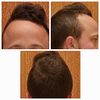
A 26-year-old male shared progress pictures after 4 months of treating hair loss with finasteride (1.25 mg on Mondays, Wednesdays, and Fridays), topical minoxidil twice daily, ketoconazole shampoo twice weekly, and weekly microneedling at 1.5 mm. He is seeing hair growth improvement, especially in the front, and is considering hair grafts for the crown area if necessary for more density.
The conversation is about the safety of using a dermastamp at 0.25mm depth twice a day when applying Minoxidil. The user seeks confirmation on whether this practice is safe despite mixed opinions.
The conversation is about finding the best routine for using microneedling, Minoxidil, and Tretinoin 0.025% for hair loss. The user has been using Minoxidil and microneedling for four months, along with daily finasteride since 2021, but has not noticed any difference.
The post and conversation are about hair loss treatments and tips for healthier hair, including using a dermaroller, taking vitamins (D, omega 3, zinc, magnesium), and using a silk pillowcase. The user also inquires about the effectiveness of aloe vera and oils for hair.
The use of tropoelastin injections and verteporfin for hair transplant recipients to help regrow donor area hairs, as well as research done on tropoelastin injections restoring elastin in scarred heart tissue and skin. There are discussions about why it is taking so long to get cosmetic mass produced tropoelastin injectables on the market.
Nutrafol, a hair loss supplement, has limited and potentially biased research, with one study showing a 10% increase in hair count for women after 6 months but no significant results for men. The user concludes that cheaper, well-studied options like minoxidil may be more effective, especially for men, given the lack of evidence supporting Nutrafol.
Blocking DHT may slow down aging and improve skin, with users reporting positive effects from finasteride. Minoxidil and RU58841 are also mentioned as treatments.
A user shared their positive experience with a hair loss treatment regimen including Dutasteride, Minoxidil, RU58841, Nizoral, microneedling, and supplements, reporting no side effects and some hair regrowth. They encouraged others not to fear these treatments, as they are generally safe.
User has been using Minoxidil twice daily for a year with good results and is considering adding a 1.5mm titanium derma roller for better hair regrowth. They seek advice on the best derma roller size and frequency of use, suggesting once a month or every 3-4 weeks.
A user's experience using topical finasteride and melatonin to regrow hair, as well as their use of dermaroller versus dr. Pen for microneedling. People discussed the benefits of oral minoxidil and questioned if melatonin could help with hair regrowth.
User experienced shortness of breath, high blood pressure, red eyes, and eye floaters after using RU58841 for hair loss. They warn others to avoid RU58841 and stick to finasteride, minoxidil, and dutasteride.
Late 20s woman struggles with worsening hair loss and tried various treatments without success. Now trying spironolactone and ketokonazole shampoo, hoping for improvement.
The conversation discusses a user's hair regrowth over three years using Minoxidil, Finasteride, and a hair transplant, along with Biotin supplementation. Some users question the authenticity of the results and the organization of the before-and-after photos.
Beard to scalp hair transplants can provide 12,000-15,000 grafts for coverage, with fast recovery time. However, beard hair may grow curly and not suitable for frontal areas.
The conversation is about a user's comprehensive hair loss treatment plan, including finasteride, minoxidil, dermaroller, Nizoral shampoo, vitamin D, biotin, and zinc. The user describes their approach as a strategic battle against DHT, with finasteride as the main treatment.
Using a combination of micro-needling and exosome injections as a potential treatment for male pattern baldness, which could result in 50% or more regrowth.
The user is exploring alternatives to hair transplants due to a weak donor area and is currently using finasteride, minoxidil, dermapen, low-level laser therapy, Nizoral shampoo, and a high-protein diet. They plan to switch to dutasteride and consider adding RU58841, while rejecting hair systems and considering a buzz cut.
Treatments for hair loss, including microneedling (dermarolling and dermapen) and the use of minoxidil, finasteride, and RU58841. It provides detailed information about cost and usage of the various treatments, as well as potential side effects.
The user experienced significant hair growth using oral minoxidil and finasteride over nine months. The progress was well-received, with many noting impressive results.
A 31-year-old individual started taking finasteride 24 days ago to address hair thinning and loss, which has worsened their mood and stress. They have not yet added minoxidil and are experiencing significant shedding, contributing to sleep issues and insecurity about their hairline.
The user experienced significant hair regrowth using finasteride, minoxidil, and a 4,000-graft hair transplant performed by Dr. Nader in Reynosa, Mexico. The results were natural-looking, and the user plans a second transplant for additional density if needed.
A 32-year-old shares their hair loss treatment journey, using finasteride for nearly 10 years, minoxidil for about 6 months, and previously RU58841, along with keto shampoo. They express concern about potential treatment effectiveness decline and consider switching to dutasteride.
The user stopped finasteride for three months to try for a baby but continued using minoxidil and micro-needling. They are concerned about hair shedding and plan to resume finasteride after the baby is born.
The user experienced significant hair regrowth using 1mg finasteride and 2mg minoxidil daily, along with Nizoral shampoo and rosemary oil. They are curious about further improving hair density and whether increasing the minoxidil dose would help.
The user started with Finasteride at 19, added Dutasteride and Minoxidil at 26, but continues to experience hair loss. Suggestions include checking health markers, considering genetics, and possibly increasing Minoxidil dosage.
Improved hair density and texture after using 1mg oral finasteride and 5mg oral minoxidil for a year. The user is satisfied with the results, noting no significant side effects except reduced seminal volume.
A user shared progress pictures after 100 days of using finasteride, topical minoxidil, and dermastamping, with oral minoxidil added two weeks ago, reporting no side effects. Some users praised the results, while others questioned the effectiveness of dermastamping and the visibility of hair growth.