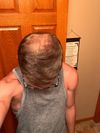
Hair loss from seborrheic dermatitis can be temporary. Treatments discussed include Minoxidil, finasteride, and RU58841, along with collagen and biotin supplements.
The user reports some hair regrowth after two months of using 1.5mm microneedling with Minoxidil and Nizoral shampoo. They note reduced pain and skin flaking, attributing changes to skin thickening and collagen induction.
A 23-year-old noticed crown thinning and started using 1.25mg finasteride, biotin supplements, biotin/collagen shampoo, and 1% nizoral shampoo. After 3 months, they reported improvement and side effects that subsided after 2 months.
User is experiencing hair loss despite using Minoxidil, finasteride, RU58841, dermarolling, and supplements like fish oil, collagen, hyaluronic acid, and biotin for over a year. They feel mentally distressed as their hair isn't growing longer and they avoid barbers and hats to hide thinning.
The conversation discusses the use of low-dose oral minoxidil for hair loss and its potential effects on skin aging. Users shared experiences, with some noting side effects like puffy eyelids and dark circles, but no conclusive evidence of significant collagen depletion or increased wrinkles.
A dermatologist stated that minoxidil does not cause skin aging, despite online claims. A study found no significant impact of minoxidil on collagen content or skin aging.
This post and conversation are about the molecular mechanisms triggered by microneedling, specifically its effects on inflammation, tissue remodeling, epithelial proliferation, differentiation, and collagen synthesis. The discussion highlights the potential benefits of microneedling for hair loss treatment.
A user is seeking advice on shampoos and hair styling products to slow down hair thinning and avoid harmful chemicals. They currently use a biotin and collagen shampoo and are considering alternatives like wax or oils instead of gel.
The user shared progress pictures and discussed their hair loss treatment routine, which includes minoxidil, finasteride, Nizoral, dermastamping, tretinoin, rosemary oil, hair peptides, biotin, and collagen supplements. They are seeking advice on hair transplantation, minoxidil application, and the impact of testosterone replacement therapy on hair loss.
The user is considering switching from topical to oral finasteride due to lack of progress with their current hair loss treatment, which includes topical fin/min, microneedling, Nizoral shampoo, oral minoxidil, biotin, collagen, tretinoin, and hair masks. A suggestion was made to try oral finasteride for potentially better results and to monitor progress over 6-12 months.
A user shared an 8-month hair regrowth progress using finasteride, topical minoxidil, and microneedling, and others reacted positively, asking for details about the treatment regimen. The user also mentioned taking cod liver oil and a hair multivitamin with biotin and collagen.
A person had success with micro-needling for hair growth but stopped and noticed hairline recession. They plan to restart treatment at age 40, using micro-needling, oral minoxidil, finasteride, a laser cap, topical minoxidil with tretinoin, collagen, and other supplements.
The conversation is about a person's hair loss treatment routine, which includes Metformin, sleep in darkness, avoiding EMF at night, Nizoral, Dermarolling, Castor oil, and Collagen. They have observed less hair shedding and increased hair volume.
The user has been using Minoxidil and Finasteride since late 2019 with good results but is experiencing a dry, flaky scalp and shedding hairs. They also use Nizoral, biotin, zinc, magnesium, and collagen supplements, and their dermatologist prescribed fluocinolone acetonide to reduce flaking.
Microneedling's effectiveness for hair regrowth is debated, with mixed results from studies. Some believe it helps with blood flow and scalp health, while others see it as largely ineffective.
The conversation is about finding a conditioner suitable for thinning hair, with the original poster currently alternating between a caffeine shampoo and Nizoral every two days but not using any conditioner.
A user is seeking recommendations for purchasing 1mm to 1.5mm derma rollers in the U.S. for better hair growth results, as they are currently using a 0.25mm roller.
Oral minoxidil may cause temporary facial puffiness, leading to a perception of accelerated aging, but it doesn't cause actual aging. Concerns about hair loss and treatments like minoxidil and finasteride are discussed, with suggestions to use tretinoin and sunscreen to mitigate potential side effects.
The user achieved significant hair regrowth using dutasteride 0.5mg for a year and oral minoxidil 2.5mg for eight months, despite initial shedding. They reported no side effects and preferred oral treatments over topicals.
A 24-year-old male experiencing hair loss has been using finasteride, minoxidil, and ketoconazole shampoo without progress. He is considering switching to oral minoxidil and dutasteride, exploring dermarolling, and eliminating dairy from his diet.
Taking zinc and copper may offset copper depletion and potentially aid hair health when used with finasteride. The user is considering whether to use these supplements alongside finasteride or wait until switching to dutasteride.
The conversation provides tips to reduce facial skin side effects from Minoxidil, such as changing pillowcases, sleeping on the back, careful application, hydration, and taking breaks. One reply suggests that alcohol in Minoxidil formulations, not Minoxidil itself, may cause skin aging.
A 26-year-old male is using oral minoxidil and finasteride to treat hair loss, experiencing prolonged shedding despite 6 months of treatment. Others share similar experiences, suggesting persistence with the treatment may eventually lead to improvement.
The conversation is about hair regrowth, with the original poster using natural oils and supplements like pumpkin seed, saw palmetto, and zinc, while considering pharmaceutical options like minoxidil, finasteride, and dutasteride. Most users suggest using finasteride or dutasteride for effective results, as natural remedies are seen as ineffective.
Apply tretinoin cream first, then minoxidil, as tretinoin can enhance minoxidil absorption. Allow some time between applications to avoid skin irritation.
The conversation discusses whether a dermatologist is the right source for advice on microneedling and supplements for hair loss. It mentions using treatments like dermastamp, dermaroller, finasteride, minoxidil, ketoconazole, biotin, and switching hair spray brands after a hair transplant.
Switching from oral to topical minoxidil due to health issues, with advice on using tretinoin to enhance effectiveness. Tretinoin can improve minoxidil absorption and effectiveness, potentially reducing application frequency.
The user is considering a hair transplant and is using Kirkland 5% foam minoxidil, oral finasteride, oral minoxidil, and topical minoxidil 7% spray. They are concerned about the necessity and potential side effects of oral minoxidil before the transplant.