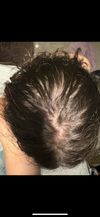
Creatine may increase DHT levels, potentially affecting hair loss, but evidence is mostly anecdotal. A study to explore this was withdrawn due to funding issues.
How actor Ashton Kutcher used Dutasteride (Avodart) to treat his hair loss at age 25, but stopped taking it due to potential side effects when he wanted to have kids; and the discussion of various treatments for hair loss such as finasteride, minoxidil, and RU58841.
The conversation discusses using peptides BPC-157 and TB-500, combined with microneedling, to potentially enhance hair regrowth. The user plans to try BPC-157 due to its lower cost and reports of hair growth, despite limited human trials and concerns about side effects from other treatments like minoxidil and finasteride.
The user regained hair and reduced forehead size using a routine of 1mg finasteride, 5mg minoxidil, topical minoxidil twice daily, tretinoin before minoxidil, derma stamping weekly, red light therapy daily, and ketoconazole shampoo thrice weekly. They experienced initial side effects with finasteride but adjusted the dosage over time.
The user has been using 5% minoxidil and 1mg finasteride since late 2024 and has seen progress in hair regrowth, though they feel it is slowing down. They are considering adding rosemary oil and derma stamping to their routine, with advice suggesting derma stamping once a week at 1mm to 1.5mm.
Long aerobic exercise (over 60 minutes) can reduce DHT levels and improve hair health. Some users discuss using Tadalafil (Cialis) to further reduce DHT after exercise, while others mention using treatments like Minoxidil, Finasteride, and RU58841 for hair growth.
Pyrilutamide's 0.5% solution showed minimal improvement, while the 1% solution appears more promising but costly. The user is currently using finasteride and oral minoxidil and considering adding Pyrilutamide if effective and affordable.
Pyrilutamide from RUdirect is discussed, with users sharing experiences and alternative sources like Koshinemall. Users mention using treatments like minoxidil, RU58841, and dutasteride for hair loss.
The user experienced positive hair growth results using microneedling with rosemary and mint oil, without Minoxidil, Finasteride, or RU58841. They switched from a dermaroller to a microneedling pen and targeted different scalp areas weekly.
User shared progress of two years using 1mg daily Finasteride and 2x weekly microneedling for hair loss. Many users praised the results and discussed their own experiences with microneedling and Finasteride.
User seeks natural hair products for hold/texture without harmful chemicals due to thinning hair. They consider Hades Matte Paste and Matte Lava Clay, asking if any ingredients could cause hair loss.
Finasteride is unlikely to cause a drop in testosterone; it typically increases it by preventing conversion to DHT. The testosterone level drop is likely due to timing of injections or other factors, not finasteride.
The user has seen good progress in hair density after almost 10 months using 0.6 mg oral minoxidil, 1.25 mg oral finasteride every other day, and topical minoxidil twice daily, along with weekly derma stamping. They experienced side effects with higher doses of minoxidil and encourage others to try these treatments.
High-dose Lysine and Histidine supplements caused curly/kinky hair and shedding due to Elastin dysfunction. Minoxidil, white tea, and dark grape juice were mentioned as treatments to inhibit Elastase and mimic Lysyl Oxidase.
Hair loss is causing distress and self-esteem issues, with discussions on treatments like finasteride, minoxidil, and hair transplants. Some suggest topical treatments or lifestyle changes, while others stress the importance of confidence and self-acceptance.
A 21-year-old male experienced significant hair regrowth and thickening after eight months of using 2.5 mg oral minoxidil and 1 mg oral finasteride, along with keto shampoo and micro stamping. He reported no side effects and noted that improvements were most noticeable in months 7-8, particularly at the hairline and corners.
The conversation discusses the use of dutasteride (0.5 mg daily) for hair loss, with additional treatments like minoxidil, derma rolling, and nizoral shampoo. The user reports positive progress over two years with no significant side effects, emphasizing the importance of consistency and patience.
The conversation discusses unconventional methods for hair regrowth, including scalp trauma like burning or microneedling, and compares them to treatments like Minoxidil and Finasteride. It highlights skepticism about these methods and the body's unpredictable healing responses.
The user started using finasteride and topical minoxidil in September 2023, later adding a Theradome laser helmet, which helped reduce hair shedding significantly. The user reports improved hair coverage and stability, attributing most progress to the medications rather than the helmet.
DHT promotes hair growth in certain areas but causes scalp hair loss, highlighting a frustrating irony. Minoxidil is mentioned as a treatment that grows hair everywhere, including the scalp.
Switching from finasteride to dutasteride can cause initial shedding, but many see long-term hair regrowth and stabilization. Responses vary, with some experiencing fewer side effects and others finding it less effective.
PP405 is ineffective for miniaturized, fibrosed hair follicles in androgenetic alopecia. AMP303 may activate hair follicle stem cells, but minoxidil and finasteride are still the main treatments.
A 40-year-old user shared their experience using finasteride and minoxidil for hair regrowth over a year, noting initial sexual side effects that improved after reducing the finasteride dosage. They also experienced scalp irritation from Rogaine, leading to reduced usage, and expressed satisfaction with the hair regrowth despite ongoing challenges.
Dutasteride is more effective than finasteride for hair loss, especially at the crown and midscalp, but both have similar side-effect profiles with low incidence of sexual adverse events. Improvement is measured visually, and significant results may take over 12 months to appear.
The user is considering trying finasteride again for hair loss despite past side effects like tender nipples and concerns about mental health impacts. They are advised to consult a doctor and consider topical or low-dose finasteride.
The user is considering using topical finasteride for thinning hair around the middle part, vertex, and crown, and is unsure if the whole scalp is thinning. Another user suggests oral finasteride is more effective than topical, and recommends consulting a dermatologist for proper treatment.
The user shared their 10-year hair loss journey, discussing treatments like oral minoxidil, oral finasteride, and LLLT, and ultimately deciding on a hair transplant. They also explored the possibility of having alopecia areata incognita and advised seeking multiple opinions before surgery.
The conversation discusses concerns about potential hairline miniaturization and whether to start finasteride as a preventive measure. Recommendations include consulting a specialist and considering treatments like finasteride, dutasteride, minoxidil, and ketoconazole.
Lifestyle changes may not significantly impact hair loss, as factors like DHT and genetics play a larger role. Some users suggest treatments like finasteride, dutasteride, and microneedling for hair growth.