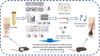
Stem cell-related treatments and drugs like RCGD423 and WAY are being tested for hair growth. Clinics are conducting tests on patients who haven't had previous treatments.
User on fin, minox, and ketoconazole seeks to add another topical anti-androgen. Hierarchy of effectiveness: 1. RU55841, 2. Fluridil - Eucapil, 3. CB-03-01 - Breezula, 4. Ketoconazole; alfatradiol suggested as addition.
The conversation discusses whether adapalene (Differin) increases sulfotransferase like tretinoin does, in the context of combining it with minoxidil for hair treatment. The responses indicate that adapalene does not have the same effect as tretinoin.
GT20029 shows promising results for hair loss treatment, with potential approval in China by 2026 or 2027, but U.S. approval may take longer. It could serve as an alternative to finasteride, with a potentially better side effect profile.
Fucoidan may help regrow hair and reduce inflammation in androgenetic alopecia. It is unclear if simply mixing fucoidan powder into a serum for application is effective.
Clascoterone is seen as a promising topical treatment for hair loss, similar to finasteride but without side effects, though concerns exist about its long-term effectiveness. Other treatments discussed include topical minoxidil, ketoconazole, microneedling, and oral options like dutasteride and minoxidil.
Kintor announced Phase 3 results for pyrilutamide, a hair loss treatment, in China. The conversation is focused on this announcement and its implications for hair loss treatment.
Considering a hair transplant, using Pyrilutamide, the potential availability of CosmeRNA, and the significance of taking Minoxidil and Finasteride for long-term results.
PP405 is ineffective for miniaturized, fibrosed hair follicles in androgenetic alopecia. AMP303 may activate hair follicle stem cells, but minoxidil and finasteride are still the main treatments.
A woman with AGA is using spironolactone, dutasteride, finasteride, oral minoxidil, bicalutamide, and anti-androgenic birth control but still experiences worsening hair loss. Steroid shots temporarily stop her hair shedding, leading her to question her biopsy results.
The user has been managing hair loss with microneedling, Nutrafol, topical finasteride/minoxidil foam, LLLT, and Nizoral, and plans to add oral minoxidil. They are seeing improvement and are cautious about using oral finasteride due to past gynecomastia concerns.
The conversation discusses positive initial trial results for GT20029, a topical compound for hair loss that degrades androgen receptors, potentially requiring only weekly application. Participants express hope for this treatment to be more effective and convenient than current options like Minoxidil, Finasteride, and RU58841.
PP405 increased hair density by 20% in 31% of participants, but results are considered underwhelming. Minoxidil and finasteride are seen as more effective treatments.
AH-001 is a new topical treatment designed to degrade androgen receptors, targeting the root cause of androgenetic alopecia without the side effects of oral treatments like finasteride. It has shown a strong safety profile and good local tolerability in early trials.
A stem cell and adenosine triphosphate cocktail showed promising results in hair regrowth for male and female mice, with potential for future clinical trials. Users humorously reacted to the success in mice, expressing hope for human application.
Elevated bile acids can inhibit the enzyme AKR1C2, leading to increased DHT levels, which may accelerate hair loss in those predisposed to androgenetic alopecia. Treatments mentioned include topical minoxidil and finasteride.
SCUBE3, a protein linked to hair growth in moles, was discovered over 25 years ago and is being developed by Amplifica for potential hair loss treatment. Concerns exist about SCUBE3's association with cancer, as it is a protein that promotes cell growth, which could potentially trigger cancer development if used for hair growth therapy.
The user is considering using CB or clascoterone for hair loss, potentially as an alternative to RU. They're also contemplating asking a dermatologist for topical clascoterone cream to apply to their temple.
The conversation is about the difficulty in obtaining GT20029, a hair loss treatment, due to patent issues and the need to resort to group buys or Chinese labs for acquisition. Specific treatments mentioned include Minoxidil, finasteride, and RU58841.
Using a low dose of topical Tamoxifen effectively reduces gynecomastia caused by finasteride, with minimal side effects. The solution involves mixing Tamoxifen with ethanol and propylene glycol, applied daily to the chest.
A user underwent a hair transplant at Moart Clinic in Seoul, receiving 1100 grafts in the crown area after Dutasteride and oral Minoxidil failed to improve a stubborn bald spot. The procedure was successful, with minimal pain and good post-op recovery, costing $6900 USD before a tax refund.
Clascoterone 5% topical solution shows promise for treating male-pattern hair loss by blocking DHT at the follicle without systemic absorption, potentially offering fewer side effects than oral treatments like finasteride. While results are promising, long-term safety and effectiveness need further study, and it may serve as a starting point for developing more effective treatments.