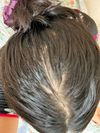
The user reports hair regrowth after 15 weeks using oral finasteride, topical minoxidil, oral pumpkin seed oil, and ketoconazole shampoo. Images show progress before and after treatment.
A user is considering starting treatments like Finasteride, Minoxidil, and Microneedling for hair thinning, despite stable hair loss for over 8 years. They are unsure if the presence of miniaturized hairs indicates potential for regrowth or if they should accept the current state.
The conversation is about seeking new research on hair loss treatments beyond the commonly known ones like Minoxidil and Finasteride. Additions to the list of treatments include topical caffeine, alfatradiol, fluridil, stemoxydine, and upcoming treatments like TDM-105795 and verteporfin.
A 29-year-old female is experiencing severe hair loss and bald patches, seeking advice on shampoos, conditioners, hair masks, or topical medications. A user suggests starting an oral supplement.
The user is seeking advice on preserving hairfollicles at Norwood stage 6 or 7 while waiting for new treatments. They are considering using treatments like Minoxidil, finasteride, or RU58841.
A 20-year-old is experiencing hair loss and has tried Minoxidil, ketoconazole shampoo, dermarolling, Biotin, Selenium, Zinc, and a shampoo with various ingredients but is still losing hair. They had side effects from topical finasteride and are considering RU58841 but are concerned about past heart issues.
A 41-year-old man experienced significant hair regrowth using topical finasteride (0.025%), minoxidil, microneedling every two weeks, and occasional Nizoral 2% shampoo. He advises against using creatine due to personal experience with increased hair shedding.
The conversation is about a 24-year-old using microneedling and essential oils, specifically neo hair lotion, to promote hair growth on the temples. The user reports seeing hair growth without using medications, using a 0.5 mm needle roller and planning to switch to a 1.0 mm needle.
A 21-year-old female shared her 4-month hair growth progress using Minoxidil 5%, finasteride 1mg, Theradome LLLT, Viviscal vitamins, and PRP treatments twice. Commenters praised her progress and discussed other treatments like microneedling, but she noted her dermatologist advised against it due to potential scalp damage.
OP is considering using a keratin gel to improve hair quality and is concerned about its safety and visual impact on a slightly balding crown. Users discuss shampoo frequency, with some suggesting less frequent use for better hair health, but OP prefers regular shampoo and conditioner for silky hair.
Hair loss treatments like finasteride, dutasteride, and minoxidil can cause initial shedding as they restart the hair growth cycle, but this is not an indicator of treatment failure. The effectiveness of these treatments should be judged by cosmetic changes over time, not by daily hair loss counts.
Some prefer hair systems for better appearance and confidence, while others find them costly and inauthentic. Alternatives like minoxidil, finasteride, and hair transplants are also considered.
The conversation discusses a user's plan to inject NAD+ and GHK-Cu into their scalp to improve hair health, with concerns raised about the risks of infection and necrosis. Alternatives like finasteride, dutasteride, microneedling, oral minoxidil, and scalp massages are suggested.
A user experienced significant hair regrowth after improving their diet, getting sunlight, taking a multivitamin, and exercising, following a period of extreme calorie restriction and hair shedding. Others in the conversation attribute the hair regrowth to increased calorie intake rather than just vitamins.
PP405 is seen as a potential breakthrough for converting vellus hairs to terminal hairs, with users expressing both hope and skepticism. It is compared to treatments like minoxidil and finasteride, with discussions on side effects and marketing concerns.
The conversation discusses GT20029 as a potential hair loss treatment that could act like a cure by targeting androgen receptors in scalp hairfollicles. Specific treatments mentioned include GT20029, with a user expressing hope that it could make male pattern baldness obsolete.
The user shares their experience with hair loss treatments, including oral finasteride, oral minoxidil, and a topical lotion for dandruff, expressing dissatisfaction with past treatments like PRP and hair transplants. They seek advice on a DNA test to determine suitable medications and express frustration with dermatologists' advice.
A 19-year-old is using keto shampoo, topical Minoxidil 5% for 3 months, and topical finasteride 0.1% for 1.5 months to address hair loss. They are noticing baby hairs and shedding, questioning if the hairs will thicken and if more time is needed for finasteride to work.
Finasteride can cause initial hair shedding, which may indicate effectiveness, with improvements seen after 12-24 months. Some users enhance results by combining it with minoxidil and dermarolling.
The conversation discusses the perception of increased hair loss among young men, with some attributing it to heightened awareness or environmental factors. Various treatments are mentioned, including Minoxidil, Finasteride, microneedling, scalp massages, and future hair transplant methods.
The conversation discusses the potential of new hair loss treatments, with a focus on pyrilutamide, gt20029, and topical alfatradiol, and the possibility of improving their effectiveness through methods like increased concentration and microneedling. Dutasteride is also mentioned as a stronger option.
Topical Calcipotriol (vitamin D derivative) may help with hair regrowth, especially for alopecia areata. The user wonders if adding classic vitamin D to lotions like Minoxidil could have a similar effect.
A user in their mid-30s experienced unexpected hairline regrowth after starting a new supplement stack, despite being on a regimen of finasteride, minoxidil, and Nizoral for over four years. The new supplements include Tongkat Ali, Fadogia Agrestis, Panax Red Ginseng, Vitamin B1, Vitamin D3, Zinc Picolinate, Magnesium Glycinate, Maca, and L-Citrulline.
The conversation discusses hair loss concerns, with suggestions to use finasteride (Fin) and minoxidil (Min) as treatments. Stress, creatine in protein shakes, and male pattern baldness are considered potential factors.
Stress can trigger hair loss, with treatments like minoxidil, finasteride, and dutasteride being used to manage it. Some users report improvement with medications like Lexapro, while others emphasize the impact of stress and life events on hair health.
A user shared a natural hair loss treatment involving micro-needling and a mix of turmeric, cinnamon, and coconut oil, claiming it effectively thickened their hair. The treatment is applied every two to three weeks, but some users expressed skepticism and requested photographic evidence.
The user experienced hair regrowth using finasteride and topical minoxidil, with consistent application and lifestyle changes like using cold water and exercising. They noted initial shedding when restarting minoxidil but saw positive results over six months.