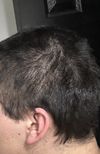
Hair loss possibly caused by a fungal infection might be treated with antifungal shampoos or oral medications. If not fungal, treatments like minoxidil or finasteride may be necessary.
The user experienced hair loss from overwashing and frequent product changes, seeking alternatives to Minoxidil due to having pets. Suggestions included using oral Minoxidil, ketoconazole shampoo, and maintaining a consistent hair care routine with gentle, sulfate-free products.
Chlorine dioxide was discussed as a potential hair growth treatment, with a method involving spraying it on the scalp and covering it with a cap. Concerns were raised about its safety, comparing it to bleach.
Scalp massages may show slight improvement in hair appearance, but users suggest more aggressive treatments like finasteride or minoxidil for better results. Some users believe lighting and angles affect photo comparisons, and recommend combining massages with medication.
The user follows an intensive hair loss protocol including dutasteride, biotin, black tea, pumpkin seed oil, peppermint shampoo, rosemary conditioner, mukemame, soy milk, lycopene, garlic, magnesium, chamomile, spicy food, citrus bergamot, zinc, multivitamins, kefir, and Greek yogurt. They plan to alternate between pumpkin seed oil and safflower oil and will share before and after pictures.
The conversation discusses whether bleaching hair is safe while using oral minoxidil for hair loss. The user is concerned about potential negative effects on hair health.
Ketoconazole shampoo can dry out hair, causing it to become frizzy and less manageable. Users suggest using conditioner, trying different shampoos, or reducing the frequency of ketoconazole use to mitigate these effects.
Users discuss ketoconazole shampoos for hair loss, mentioning Nizoral, selsun blue, and alternatives like prescription strength options and compounded lotions to reduce dryness. Some users suggest using finasteride and minoxidil instead, questioning the cost-benefit of ketoconazole.
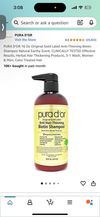
The conversation is about a user trying a shampoo and conditioner recommended by Derek from More Plates More Dates to slow down hair loss. The products contain Ketoconazole, pumpkin seed oil, tea tree oil, peppermint oil, and biotin, and the user is satisfied with the results so far.
A user shared their positive 4.5-month hair regrowth experience using Minoxidil, finasteride, a caffeine shampoo with rosemary oil, a dermaroller with Nizoral, and pumpkin seed oil capsules. They started treatment due to accelerated hair loss and are now seeing no hair fall during shampooing.
The conversation discusses the effectiveness and safety of Amika Perk Up and Living Proof dry shampoos. The user seeks advice on whether dry shampoo alone is sufficient for hair care or if a hair dryer is also necessary.
Piroctone Olamine at 1% is recommended for reducing scalp inflammation and encouraging hair growth. The user seeks recommendations for UK shampoos/conditioners containing this ingredient.
The conversation is about using Ketoconazole shampoo for hair loss, with users discussing leaving it on the scalp for longer periods. Some users report benefits for dandruff, but there's uncertainty about its effectiveness for androgenetic alopecia (AGA).
Adding Nizoral Shampoo (ketoconazole 2%) improved hair quality and reduced scalp irritation. Alternatives like zinc pyrithione shampoo and Piroctone Olamine were also discussed.
The user suspects they bought fake minoxidil from Minoxidilworld.co.uk because it didn't change color when mixed with bleach, a test for authenticity. Other users suggest getting a refund and recommend buying from other sources, noting that genuine minoxidil should turn orange with bleach.
The conversation discusses using Ketozolin shampoo in Germany as an addition to finasteride and minoxidil for hair loss treatment. Users recommend applying a small amount 2-3 times a week, leaving it on for 5-10 minutes.
Zinc pyrithione and piroctone olamine are effective for reducing hair shedding, possibly more so than ketoconazole. There is a concern about zinc pyrithione shampoo interfering with minoxidil, but it's unclear if this is proven.
The user started using finasteride three times a week and discovered black hair powder, which improved their appearance but raised concerns about potentially blocking hair pores. They are seeking advice on whether it's safe to use the powder without affecting new hair growth.
The conversation discusses using minoxidil for hair growth and asks for recommendations on shampoos, conditioners, and other products to support hair growth and stop hair loss. It also inquires about the frequency of washing hair and the effects of using oils like coconut oil on pores.
A 21-year-old experiencing hair loss was prescribed two shampoos and hair vitamins by a dermatologist who suggested seborrheic dermatitis as the cause. However, users in the conversation suggested the hair loss could be male pattern baldness (MPB), recommending monitoring the situation and considering finasteride as a treatment.
Minoxidil users can safely use salicylic acid shampoo to manage scalp pimples and dandruff. Nizoral is also recommended for hair gain and treating scalp pimples.
A user is asking if a new hair product, Cypress Premium Vials Energy and Cypress Premium Shampoo Energy, could be dangerous or worsen their hair condition. The product contains various ingredients including water, alcohol, menthyl lactate, and several extracts.
Everychem's solution, similar to PP405, has mixed results for hair regrowth, with some users reporting improvements and others seeing no change or worsening hair loss. Users are sharing experiences and updates to determine its effectiveness.
The user shared their experience with various hair loss treatments, including Kirkland Minoxidil Foam, Happy Head Topical Fin and Min, Locklab, Ro Mane Spray, and plans to try Happy Head 10 in 1 serum. They found Happy Head Fin and Min effective for crown regrowth but are considering switching to Ro Mane or the new Happy Head serum for less greasiness and staining.
The conversation is about using ketoconazole shampoo for hair loss, specifically discussing concerns about benzyl alcohol in popular brands and seeking experiences with the "tiniazol" brand. The user is considering adding this shampoo to their routine.