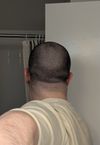
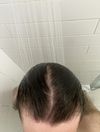
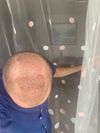
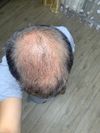
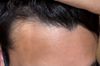
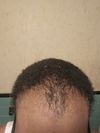
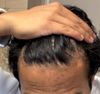
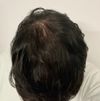
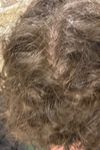
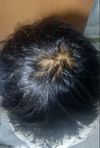
A 17-year-old is addressing hair loss with finasteride, topical minoxidil, and microneedling. They are considering adding GHK-Cu to their regimen, but others advise caution with finasteride due to age.
The user has been using topical finasteride and minoxidil for about 5 months and feels progress on the back of their head has stalled, while the front and top look good. They are considering whether to let their hair grow out despite feeling the contrast is awkward.
The conversation is about hair loss, likely androgenetic alopecia, with recommendations to consult a doctor and consider treatments like finasteride and minoxidil. The user is advised to check for vitamin deficiencies and consider topical minoxidil and oral finasteride.
The user had four DHI hair transplants from 2021 to 2025, with the last one in August, and is concerned about the lack of hair thickening despite using treatments like finasteride and minoxidil. They are seeking advice on why these efforts aren't working.
The user is experiencing hair thinning and receding sides and is seeking advice on starting finasteride and minoxidil. They are asking about dosage, whether to use oral or topical minoxidil, and for brand recommendations.
The user had four DHI hair transplants from 2021 to 2025 and is concerned about the lack of hair thickening despite using treatments like finasteride and minoxidil. They are seeking advice on why these efforts aren't working.
The user is dealing with early hair loss and is using a serum with Redensyl, multivitamins, and plans to add minoxidil. They seek advice on maintaining a positive mindset and improving hair health through lifestyle changes.
The user is using oral finasteride and minoxidil 2mg for hair loss and is considering adding a scalp serum with caffeine, but is concerned it might interfere with minoxidil. They seek advice on maintaining a hydrated, non-oily scalp.
An 18-year-old noticed hairline retreat at 17.5 and is seeking advice on whether to accept baldness or try treatments like Minoxidil, finasteride, or RU58841. They are concerned about safety and effectiveness at their age.
A 24-year-old noticed hair thinning over 4-6 years and is seeking advice on whether it can be salvaged. Treatments mentioned include Minoxidil, finasteride, and RU58841.
The user is experiencing hairline recession and plans to use minoxidil, finasteride, and biotin for a year, considering a hair transplant if needed. They seek advice on their treatment plan and additional ways to support hair growth.
A 21-year-old male has been using finasteride for 8 months to address hair loss and is starting to track progress with photos. He plans to update with more progress pictures in the future.
A Stevia patch with Minoxidil showed positive results for hair growth in mice. A user experienced increased hair shedding after using finasteride for 12 months and briefly using minoxidil.
The user reports significant hair regrowth after 200 days using dutasteride and minoxidil, attributing changes to hair dye. Others doubt the authenticity and discuss treatment effectiveness and side effects.
An 18-year-old experiencing hair loss is considering using minoxidil and finasteride after minimal growth with a serum containing procapil, redensyl, rosemary, anagain, and aminexil. A suggestion was made to consult a doctor and consider using finasteride and minoxidil if androgenetic alopecia is diagnosed.
The user has been using minoxidil, trioxidil, procapil, redensyl, and ashwagandha lotion for hair loss but can't find more procapil redensyl lotion. They are seeking advice on where to find it or alternative solutions.
The user is likely at Norwood 4 and is advised to use oral finasteride and topical minoxidil, with the option of a hair transplant after two years for a better hairline. Finasteride and minoxidil are considered sufficient to maintain and slightly improve current hair.
A 28-year-old male started using oral finasteride and minoxidil on July 14th and noticed slight hair regrowth and thickness after 2.5 months, despite ongoing shedding. Another user advised that shedding is normal and encouraged continued use for up to a year for full results.
The user is using a hair regrowth treatment plan that includes finasteride, microneedling, minoxidil foam, ketoconazole shampoo, and piroctone olamine shampoo. They are seeking advice on the effectiveness of their regimen and dosage of finasteride, and are curious about others' experiences with piroctone olamine.
The user has been using 0.25 mg of finasteride daily for 5 months to address hair thinning and is seeking advice on whether to continue this regimen or adjust it. They have not used minoxidil and are considering whether finasteride alone can stabilize or improve their hair condition.
A 20-year-old feels defeated about hair loss and struggles with consistent minoxidil use due to ADHD. They plan to visit an endocrinologist for finasteride and consider shaving their head while continuing treatments.
The user shared progress pictures of their hair after using Minoxidil and recently adding finasteride to their daily treatment. They are seeking feedback on their progress.
Iron supplementation may be more effective than Minoxidil for hair loss. Checking ferritin levels is important, as both low and high levels can affect health.
The user has been taking Finasteride for almost 2 months and using Minoxidil 5% spray daily since March. They feel Minoxidil hasn't helped after 7 months, and Finasteride has increased hair loss.