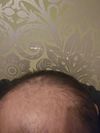
A successful hair transplant with 3100 grafts combined with topical finasteride, minoxidil, Viviscal, biotin, sulfate free shampoo and Nizoral. People in the conversation talk about how the results look perfect and discuss the number of grafts and cost involved.
A hair loss treatment protocol involving topical and oral medications such as Minoxidil, RU58841, Finasteride, Dutasteride, Melatonin, Zinc, Vitamin B6, NAC, Caffeine, Biotin, Ginseng, and Semen; other treatments including Microneedling, Laser Helmet, Nizoral shampoo, Scalp Massage and supplements like Vitamin C, Vitamin D, Fish Oil, and Biotin; and the potential side effects of using this protocol.
Hair loss treatments, specifically the use of oral minoxidil in combination with micro-needling. Oral minoxidil has been found to improve hair density in 90% of patients with a low side effect profile, but using 5mg per day can result in higher side effects including hypertrichosis and edema. Other treatments mentioned include finasteride and RU58841.
A 23-year-old has been using 0.5mg Dutasteride and 5mg oral Minoxidil daily for two years, but their hair has thinned considerably. Suggestions include increasing the Dutasteride dose, adding Finasteride, or considering a hair transplant.
Topical finasteride can be as effective as oral finasteride for hair regrowth with fewer systemic side effects, but precise dosing is essential. Combining oral dutasteride with topical finasteride is not recommended due to dutasteride's stronger inhibition.
The user has been using topical minoxidil for 5 months and oral finasteride for 3 months, reporting positive results without side effects. They apply minoxidil twice daily and take 1 mg of finasteride daily.
The user reports hair regrowth using Dutasteride, oral and topical Minoxidil, RU58841, a derma stamp, and a derma roller, attributing their knowledge to this forum. They did not try Finasteride and note a difference in hair quality between new growth and existing hair.
A user is starting treatment for hair loss with topical minoxidil, oral finasteride, and is considering adding topical latanoprost but is unsure about the application frequency and method for latanoprost. They are seeking advice from others with experience using these treatments.
A 28-year-old shared his successful hair transplant experience using 2800 grafts, oral minoxidil, and finasteride, resulting in a natural look. The procedure cost 1 lakh INR, and recovery took 7 days.
A 25-year-old male shared his successful hair regrowth journey using oral minoxidil, topical minoxidil, finasteride, and dutasteride. He experienced initial regrowth, a shedding phase, and then improved hair density, advising others not to panic during shedding and to act early on hair loss.
PP405 may help with hair regrowth, especially when combined with minoxidil and finasteride, but its long-term effectiveness is unclear. Phase 3 trials are expected to begin soon, with results in a few years.
The conversation discusses various hair growth treatments, including topical and oral minoxidil, microneedling, LLLT, PRP, exosomes, latanoprost, copper peptides, and upcoming treatments like PP405 and Vdphl01. It also covers managing side effects of minoxidil, such as dry scalp, and mentions the use of dutasteride and finasteride for hair loss.
The user reported significant hair regrowth after 4 months using Dutasteride, oral and topical Minoxidil, Nizoral shampoo, and dermastamping. They experienced minor side effects but noted consistent progress and regrowth, especially at the hairline and temples.
Microneedling, especially when combined with minoxidil, is generally considered effective for hair regrowth, though results vary by individual. Some users report enhanced results, while others caution about potential scarring and recommend professional guidance.
A 41-year-old South Asian individual feels hopeless about hair loss and cannot use oral finasteride or dutasteride due to existing gynecomastia. They are seeking advice on alternative treatments.
Clascoterone 5% shows potential for hair thickening and darkening, especially when combined with treatments like finasteride. It may be a good alternative for those who experience side effects from other treatments.
A 31-year-old experienced significant hair regrowth after switching to oral Finasteride but reported dull orgasms as a side effect. Users suggested waiting for the body to adjust, reducing the dosage, or switching to topical Finasteride to manage side effects.
A 20-year-old with aggressive hair loss is using oral minoxidil and finasteride, considering a buzz cut to manage appearance. Most suggest a buzz cut or shaving, recommending patience with medication and possibly trying RU58841 or dutasteride.
The user experienced significant hair regrowth after switching from topical minoxidil to oral minoxidil and finasteride, later transitioning to dutasteride and continuing with oral minoxidil. They reported no side effects and are optimistic about further improvements.
A 24-year-old experienced significant hair regrowth using 1mg finasteride and 2.5mg oral minoxidil daily for four months, with minimal side effects. The results impressed many, and the user confirmed the treatments were prescribed by a doctor.
The conversation discusses hair regrowth using 2-deoxy-d-ribose (2DDR) combined with minoxidil, with some users noting new hair growth. The original poster has been using minoxidil for 12 years and is considering combining 2DDR with finasteride, despite past side effects.
A 23-year-old male experienced significant hair shedding after one year on dutasteride and oral minoxidil, despite initial progress. He plans to improve medication consistency, undergo blood tests, and consult a dermatologist to explore potential causes and solutions.
A 35-year-old man shares his positive progress in hair regrowth using a daily routine of 5mg oral minoxidil and 0.5mg dutasteride, along with a low light cap, weekly dermarolling, and biweekly ketoconazole shampoo. He reports noticeable improvements without side effects and aims to inspire others considering similar treatments.
Minoxidil and finasteride can help regrow hair, especially in thinning areas, but restoring completely receded temples is challenging and may require a hair transplant. Some users report success with these treatments, particularly when combined with microneedling.
The conversation discusses hair loss treatments, specifically using topical finasteride and minoxidil combined with microneedling, along with supplements like collagen, vitamin C/D, and saw palmetto. The user also mentions using a DHT-blocking shampoo and experimenting with cold showers and contrast therapy for hair health.
Minoxidil can help with hair regrowth, especially when combined with finasteride, but it doesn't address the root cause of androgenic alopecia. Finasteride is often recommended as the primary treatment, with minoxidil as a supportive option.
A user shared progress pictures showing hair improvement after using oral finasteride and topical minoxidil for two and a half months. They are considering a hair transplant but are advised to wait for full results from the treatments.
A 49-year-old user shared progress pictures after six months of using oral finasteride (1mg), oral minoxidil (2.5mg), and ketoconazole shampoo twice a week, reporting no side effects.
The user has been using topical finasteride and minoxidil for five months with little progress and is considering oral dutasteride to lower DHT levels, questioning if minoxidil is more effective with reduced DHT. They also use microneedling and tretinoin in their treatment routine.