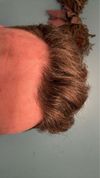
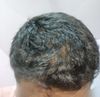
Sulforaphane shows potential for hair regrowth, with users reporting reduced shedding and regrowth. Some users combine it with Minoxidil and finasteride for better results.
The conversation is about hair loss treatments, with users recommending Finasteride and Minoxidil as the gold standard. They suggest microneedling and laser therapy as cost-effective home treatments, while expressing skepticism about the expensive clinic treatment and V2X product.
A new Latanoprost-based formula used by Hollywood celebrities to treat hair loss, with the formula containing minoxidil, tretinoin, melatonin, azelaic acid, zinc thymulin, vitamin B6, sandalore and methyl vanillate. It also mentions the potential of offering a combined sublingual minoxidil/oral dutasteride option in the future.
The user, a 27-year-old male, has been treating early hair loss with topical finasteride and minoxidil, then switched to oral finasteride and dutasteride, but has seen no improvement and plans to add oral minoxidil. Despite treatment, hair loss has progressed from Norwood 1-1.5 to Norwood 3, with noticeable thinning, especially on the left side.
The conversation discusses managing hair loss and seborrheic dermatitis with treatments like minoxidil, finasteride, and saw palmetto, emphasizing the importance of scalp health and DHT reduction. The user shares personal experiences and suggests a balanced approach, combining topical treatments and lifestyle changes for effective hair regrowth.
Effective hair growth treatments include finasteride, minoxidil, dutasteride, and hair transplants, with additional options like microneedling, low-level laser therapy, and PRP showing some benefits. Newer treatments such as GHK-Cu peptides and ketoconazole shampoo are promising, while others like saw palmetto and biotin are less effective unless deficiencies exist.
A 20-year-old is experiencing a receding hairline and thinning at the crown, using minoxidil 5% for 15 days. It is suggested to continue minoxidil and consider adding finasteride and ketoconazole shampoo for better results.
Hair loss treatments include finasteride, minoxidil, microneedling, dutasteride, CB-03-01, RU-58841, and experimental options like KY-19382 and stem cell therapy. Some treatments are considered ineffective or risky, such as ketoconazole, PRP, and low-level laser therapy.
The treatment for androgenetic alopecia involves using finasteride and minoxidil with intense exercise and cold exposure to boost metabolism and reduce androgenic effects, potentially leading to hair regrowth. This approach may activate biological pathways for improved hair and overall health.
AMP-303, a new injectable treatment for androgenetic alopecia, showed promising results in increasing hair count and density with minimal side effects. The treatment demonstrated significant hair regrowth and durability, offering new hope for those with hair loss.
A 27-year-old male experienced rapid hair loss after dengue fever, which activated a balding gene. The doctor suggested platelet-rich plasma treatment for hair regrowth.
Treatments for hair loss, including topical immunotherapy, regenerative treatments, laser and light-based therapies, oral supplements, intralesional steroids, and new drugs like finasteride and minoxidil.
A user shared a natural hair loss treatment involving micro-needling and a mix of turmeric, cinnamon, and coconut oil, claiming it effectively thickened their hair. The treatment is applied every two to three weeks, but some users expressed skepticism and requested photographic evidence.
The conversation discusses the availability of Breezula, a drug for hair loss, now being sold as an acne treatment, and whether it can be applied to the scalp. Users express skepticism about new hair loss treatments and suggest waiting for FDA approval.
User discusses a promising topical Procyanidin B2 treatment for hair loss. Users share mixed experiences and mention effective treatments like finasteride, minoxidil, and LLLT.
The conversation is about a person sharing before and after pictures of their hair loss treatment, which includes Minoxidil, Finasteride, and Dutasteride. They discuss their own hair loss, particularly the recession of their temporal points.
A 51-year-old on TRT plans to use steroids and is concerned about hair loss, considering topical treatments like Hair Rescue with RU58841 and finasteride, along with Nioxin shampoo. They are cautious about using oral DHT blockers due to potential interactions with steroids like Tren and Anavar.
Many regret delaying hair loss treatments like finasteride and minoxidil, impacting self-esteem and dating. Additional treatments include scalp micropigmentation and hair transplants, with some experiencing side effects or high costs.
ET-02, a new hair loss treatment, shows promising results with a 6-fold increase in hair count, potentially outperforming minoxidil by activating stem cells in hair follicles. Further trials are ongoing to confirm its efficacy and safety, with potential market release in the future.
Dr. Oscar Muñoz's hair loss treatment tier list suggests oral minoxidil and finasteride are highly effective, while topical treatments like RU58841 and microneedling are less effective. Users discuss the effectiveness of various treatments, with some favoring oral options for their practicality and higher response rates.
The post and conversation are about the user's high testosterone levels and their worsening hair loss despite trying various treatments. They are considering using low doses of anti-androgens to lower their testosterone levels as a potential solution.
A 19-year-old noticed hair thinning and mild receding hairline, opting for a treatment regime excluding finasteride and minoxidil. The regime includes derma rolling, rosemary and coconut oil, a massage comb, a DHT-blocker shampoo, and vitamins B12 and Biotin.
Treatments for hair loss, such as topical minoxidil, platelet-rich plasma therapy with or without minoxidil, ketoconazole, non-abative radio frequency, natural products, finasteride and cortexolone 17 alpha propionate. The post evaluates the efficacy and safety of these treatments in various studies.
Hair loss treatments, including minoxidil, dermarolling, finasteride, dutasteride, hair transplants, hair systems, and shaving the head. The conversation covers various opinions on these treatments and mentions possible side effects as well as alternatives like wigs, vitamins, and lifestyle changes. The post expresses disappointment that there has been no major breakthrough in the field of hair loss treatments despite decades of research.
A 29-year-old male experienced significant hair regrowth over 8 months using a protocol of oral Minoxidil, Dutasteride, Pyrithione Zinc Shampoo, and peptides GHK-CU, BPC-157, and TB-500. The treatment led to improved scalp coverage, reduced hair loss, and thicker hair, although results may vary for others.
A 25-year-old male has been using 0.5mg dutasteride and 5mg minoxidil for 1.6 years to treat diffuse thinning, with significant hair regrowth except for the hairline. He plans to get a hair transplant for further improvement and reports no side effects from the treatment.
The user is using a hair loss treatment involving dutasteride, minoxidil, finasteride, microneedling, and supplements like multivitamins, D3 K2, and Omega 3 fish oil. They are considering adding tretinoin and are open to suggestions while managing gut issues.
A user shared progress pictures after 9 months of using Propecia and minoxidil for hair loss, emphasizing that hair loss is not a problem. Another user commented on their own use of finasteride and minoxidil, noting no side effects.