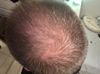
Oral minoxidil significantly increases hair growth, including facial hair, in a short period. Some users suggest combining it with finasteride for better long-term results, despite potential side effects.
The user experienced significant hair loss after starting dutasteride, despite improved libido and gym performance. They previously used finasteride but stopped due to side effects and are considering combining treatments or a hair transplant.
Finasteride significantly improved hair density and confidence, with noticeable results after 8-9 months and no major side effects reported. The user chose finasteride over a finasteride and minoxidil combination due to ease and effectiveness, and plans to continue using it to maintain results.
The user started using Vitamin D, Vitamin B, Finasteride 1 mg twice a week, and a combination of Minoxidil and Finasteride 3% two months ago for hair regrowth. They are seeking feedback on their progress.
A 25-year-old male experienced significant hair regrowth after taking 1mg of oral finasteride daily for six months, with no side effects reported. Previously, he had used finasteride combined with minoxidil but stopped all treatments for a year before resuming finasteride alone.
Taking dutasteride daily with finasteride is more effective in reducing hair loss and itching than taking dutasteride four times a week. The combination reduces shedding and anxiety.
The conversation is about hair loss treatments, focusing on finasteride and minoxidil. Users suggest combining these with microneedling, but some recommend a hair transplant due to significant hair loss.
A 41-year-old has been using finasteride for 16 years with great results but is now experiencing temporal hair loss. Suggestions include switching to dutasteride, adding oral minoxidil, and considering a combination of treatments, while noting that supplements and weightlifting likely don't interfere with finasteride's effectiveness.
A 30-year-old male has been experiencing hair loss despite using Dutasteride 0.5mg and PRP for 15 months, with no success. He is considering a hair transplant but is advised to stabilize hair loss first and explore other treatments like topical Minoxidil or combined therapies.
The user reports positive results from using 0.5 mg dutasteride daily for four months and 2.5 mg oral minoxidil for three months, with no side effects. They switched from topical minoxidil to this oral combination.
A 22-year-old is using a hair loss treatment stack of 5% topical minoxidil, 0.1% topical finasteride, and oral minoxidil. They are avoiding oral finasteride due to concerns about side effects and hope this combination will stop thinning and promote regrowth.
The conversation discusses the use of spironolactone, cyproterone acetate, and bicalutamide for hair loss, with concerns about side effects like gynecomastia and depression. Topical spironolactone is considered safe for men and effective when combined with regular treatments.
Microneedling before applying topical finasteride or dutasteride may enhance their effectiveness by increasing local absorption in the scalp, despite concerns about systemic absorption. Users discuss combining this method with oral treatments and minoxidil, noting potential benefits and side effects.
Oral Dutasteride and topical Finasteride may have similar effects on scalp DHT, but topical Dutasteride might be less effective due to poor absorption. Combining oral Dutasteride with topical Finasteride could potentially enhance results by blocking DHT in both the scalp and serum.
The user has been using topical minoxidil (5%) for two years and kx826/pyrilutamide for one year, after experiencing side effects from finasteride. They report positive results from the combination of minoxidil and kx826 in combating hair loss.
Hair fibers effectively cover thin hair areas, boosting confidence and reducing stress about hair appearance. Users discuss combining hair fibers with other products like hair spray, dermmatch, and Boldify, noting challenges like blocking minoxidil absorption and the importance of color matching.
A private clinic suggests starting with topical Minoxidil only, raising concerns about DHT blocking and potential side effects of Finasteride. The user is considering whether to follow this plan or use a combination of Minoxidil and Finasteride for hair thinning.
Dutasteride reduces DHT more effectively in hair follicles than finasteride, but some individuals still experience hair loss despite treatment. Combining oral and topical finasteride may improve results, and some users experiment with topical dutasteride despite uncertainties about its absorption.
Minoxidil can stimulate hair growth but does not prevent long-term hair loss, while finasteride or dutasteride is necessary to address DHT and maintain hair. Family hair history may not predict individual outcomes, and combining treatments like microneedling can enhance results.
The user has been using finasteride for 8 months to address hair loss and plans to add minoxidil in January if needed. They are experiencing mixed results and are hopeful for improvement, while others in the conversation discuss similar experiences and the effectiveness of combining treatments.
RU58841 is discussed for hair loss treatment, with mixed reviews on its effectiveness and side effects. Users mention using it in an ethanol/PG solution and combining it with other treatments like dutasteride.
Oral finasteride is more effective but may have more side effects, while topical versions have less risk. Oral minoxidil is more potent, but topical is more common and easier to use; combining treatments is common.
Finasteride and minoxidil are effectively regrowing hair, with some side effects like decreased libido. Dermarolling is also mentioned as beneficial when combined with minoxidil.
An 18-year-old is considering starting Minoxidil and Finasteride for early hair thinning and seeks advice on their effectiveness and dosing. Minoxidil can work alone, but combining it with Finasteride is effective; starting Finasteride at 1 mg daily is recommended, with potential dose adjustments if side effects occur.
The conversation discusses alternatives to minoxidil for hair loss, with suggestions including aminexil, redensyl, stemoxydyne, and topical cetirizine. Users share mixed results with these alternatives and emphasize combining treatments with dermarolling, diet, and exercise.
The user experienced significant hair regrowth using topical dutasteride, finasteride, and minoxidil, despite inconsistent application. The combination appears effective, possibly due to reduced scalp DHT levels, allowing minoxidil to work better.
The user is using finasteride 1mg every other day and seeks a topical solution excluding minoxidil. They are considering various combinations of ingredients like finasteride, dutasteride, and tofacitinib, with options for nourishing oils and other additives.
The user is using finasteride 1mg every other day and seeks a topical solution to complement it, excluding minoxidil. They are considering various combinations of ingredients like finasteride, dutasteride, and tofacitinib, with options for nourishing oils and other additives.
Stopping microneedling may result in losing hair gains, as it enhances the effectiveness of treatments like minoxidil. Combining microneedling with minoxidil and finasteride is more effective than using microneedling alone.
The user experienced increased hair shedding after one month on 0.25 mg finasteride, despite initial improvement. This shedding may be a normal phase in the hair cycle and could improve in the coming months.