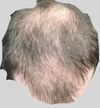
The user is concerned about hair loss and considering using finasteride and minoxidil after a doctor suggested a steroid for a dry scalp. They are worried the steroid won't prevent further hair loss.
Switching from finasteride to a dutasteride/minoxidil pill resulted in worse hair loss for the user. They are seeking advice on the effectiveness of the product from Happy Heads.
TDM-105795 is a potential hair growth stimulant that works differently from minoxidil and could be used alongside it for enhanced growth. It completed phase 2 trials in 2024, with a medium to high chance of release in 2026, but lacks recent updates or phase 3 trial information.
Dutasteride isn't effectively reducing DHT levels, prompting a switch back to finasteride. The user questions the reliability of their DHT test results due to hair loss concerns.
The conversation discusses skepticism and diminishing excitement around the hair loss treatment PP405 due to unclear trial results. It also mentions other treatments like finasteride, minoxidil, VDPHL01 (extended-release minoxidil), and GT20026 as potential options for hair loss management.
The user switched from finasteride to dutasteride and experienced noticeable hair regrowth without side effects, though some users questioned the necessity of such a potent treatment given the minimal hair loss. The conversation also touched on potential side effects of dutasteride, such as reduced sperm quality, but the user reported no issues.
The user switched from finasteride to dutasteride and from oral to topical minoxidil, noticing better hair regrowth with the new regimen. They experienced no side effects from dutasteride and found topical minoxidil more effective than oral.
A user humorously suggested smoking minoxidil in a blunt as an alternative hair growth method, sparking a satirical discussion on unconventional and unsafe ways to use minoxidil. The conversation included various suggestions like oral pills, rectal administration, and other absurd methods, with some users warning against the dangers of such practices.
Breezula (clascoterone) Phase 3 hair loss trial results are delayed, with no official updates yet. The acne version is approved, but hair loss results are still pending.
HairClone is developing cell replacement treatments to rejuvenate and generate hair follicles, and has launched a crowdfunding campaign. A user expressed skepticism about the need for crowdfunding.
Switching from minoxidil with propylene glycol to a glycerin-based solution helped reduce scalp buildup and dandruff. Using ketoconazole shampoo and a scalp massager also improved scalp health.
Switching from daily 0.5mg dutasteride to three times a week may reduce side effects without worsening hair loss. Bloodwork showed no abnormalities, supporting the change.
Bimatoprost and latanoprost are being considered for scalp hair growth, with concerns about side effects like skin darkening and fat loss. A user warns about potential chemical burns from latanoprost.
The conversation humorously discusses the fictional "Post PP405 Syndrome" and the idea of starting a foundation or cult around it. It mentions skepticism about the effectiveness of PP405 and jokes about future therapies.
A user shared their 11-month experience using a 272 diode red light hat for hair loss, noting decent results despite inconsistent use and no medication. Another user suggested that real treatment like minoxidil or finasteride is necessary for long-term hair maintenance.
Aloe vera gel can help reduce scalp inflammation and "DHT itch" associated with hair loss, particularly in those with androgenic alopecia and seborrheic dermatitis. It's suggested to use aloe vera alongside treatments like finasteride and ketoconazole shampoo to manage symptoms and promote scalp health.
A sugar gel was claimed to trigger hair regrowth, but users reported no results and potential cancer risks. The discussion included comparisons to minoxidil and skepticism about the effectiveness of the sugar treatment.
The conversation discusses using tretinoin as an additional treatment for hair loss alongside minoxidil, with plans to test its effectiveness by applying it to only one side of the scalp. The user intends to start this experiment after using minoxidil for a year.
The conversation is about someone planning to use cb-03-01 for hair loss because they experience side effects with other treatments like finasteride, minoxidil, and RU58841. They have not found progress pictures online and are considering sharing their own experience with cb-03-01, which is expensive.
Iontophoresis and sonophoresis can enhance drug delivery into the scalp. Combining these methods may improve the effectiveness of topical treatments like dutasteride and certain peptides.
Breezula (clascoterone) initially performed better than finasteride for hair loss but then effectiveness decreased almost back to baseline after 6 months, raising questions about its strength.
The user switched from oral finasteride to dutasteride with minoxidil, but saw no results. They then tried topical finasteride and noticed some potential improvement after four months, theorizing that the topical application bypasses liver metabolism.
The user has been using oral finasteride and minoxidil for hair loss but is considering switching back to topical minoxidil due to persistent scalp issues. Another user suggests an anti-inflammation regimen and oral dutasteride.
The conversation discusses using both oral and topical finasteride, along with minoxidil, for hair loss treatment. The user reports progress with finasteride and considers switching to dutasteride for potentially better results.
A user experienced increased hair shedding after 3.5 years on finasteride and is considering switching to dutasteride. Another user advised using both finasteride and dutasteride for 3 months before dropping finasteride.
The conversation discusses whether to continue using finasteride or switch to dutasteride after one year, with users generally advising to stick with finasteride for more time due to positive results and potential risks of switching. Minoxidil is also being used, and some suggest considering a hair transplant for further improvement.
A user trying to avoid an expensive hair transplant, and the replies suggesting they wait two years on treatment before deciding if they need a transplant or not.
PP405 is discussed as a potential treatment for hair loss, with excitement about its promise but skepticism about its current effectiveness. Users mention combining it with treatments like minoxidil, finasteride, and microneedling, but emphasize it is not a cure.
Excessive sugar consumption may contribute to male pattern hair loss by increasing androgen sensitivity and insulin resistance, but genetics play a significant role. Treatments like minoxidil and finasteride are suggested for managing hair loss, while reducing sugar intake and maintaining a healthy lifestyle may help mitigate its progression.
The reduction in scalp oiliness is likely due to finasteride reducing DHT levels and the use of ketoconazole shampoo. The combination of these treatments may have decreased sebum production.