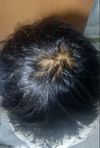
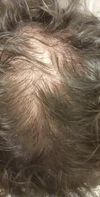
PP405 increased hair density by 20% in 31% of participants, but results are considered underwhelming. Minoxidil and finasteride are seen as more effective treatments.
A 22-year-old male is concerned about hair loss and questions the effectiveness of prescribed "Merz special" and "Revalid" products, which lack finasteride or minoxidil. Users suggest seeking a different doctor for finasteride and minoxidil treatments.
Increased hair shedding can occur when starting Finasteride, but it's usually temporary. Adding Minoxidil may help regrow and thicken hair, while vitamins are only beneficial if there's a deficiency.
A user is considering creating a mobile app to track hair transplant recovery, including daily progress, photos, and care instructions. They seek feedback on whether such an app would be helpful for others.
A 22-year-old male is experiencing increased hair shedding after 7 months on finasteride, which is considered normal as it may indicate the treatment is working. Other users shared similar experiences, with some adding topical minoxidil or oral minoxidil to their regimen.
The user shared progress pictures showing hair growth after 9 months of using 1 mg oral finasteride, 2.5 mg oral minoxidil (recently increased to 5 mg), and 2% ketoconazole shampoo. Users discussed the effectiveness and side effects of these treatments, with some suggesting alternative methods and cautioning about minoxidil dosage.
The user is experiencing chest sensitivity and muscle ache after using topical finasteride for a month and is concerned about potential gynecomastia. They are considering asking their doctor for blood work to check estrogen levels and are questioning whether to stop using finasteride.
Celebrities often use brand names like Propecia for finasteride due to brand recognition, marketing, and potential sponsorships. In contrast, the general public and online communities may use generic names, reflecting differences in cultural and healthcare practices.
The conversation discusses the effectiveness of switching from finasteride to dutasteride for hair loss treatment, with some users suggesting adding oral minoxidil for further improvement. The original poster is considering a hair transplant and is concerned about perceived thinning, despite others noting improvement or stability with dutasteride.
Finasteride stopped scalp itching and improved hair health, likely due to reduced DHT. Users discussed the relationship between DHT, itching, and hair loss, with some mentioning minoxidil and antifungal treatments like ketoconazole.
Nizoral shampoo effectively reduces scalp itchiness and dandruff, particularly for those using minoxidil, and may promote hair growth despite not being FDA-approved for this purpose. Users report significant improvements in scalp health and reduced itchiness with regular use.
Finasteride can cause initial hair shedding as part of its cycle, but it can also lead to hair regrowth and thickening over time. Users discuss the effectiveness of finasteride alone, with some considering adding minoxidil or switching to dutasteride for better results.
The conversation is about potential causes of hair loss and treatments, including topical and oral minoxidil, finasteride, and dutasteride, with a focus on checking for vitamin deficiencies and conditions like Lichen Planopolaris. It also discusses the skepticism around certain tests and the success of hair transplants.
Hair loss in men is primarily caused by androgenetic alopecia, with treatments like finasteride and dutasteride often recommended. Other causes include stress, nutritional deficiencies, medications, and scalp infections.
Men with hair loss might have lichen planopilaris (LPP), which can mimic androgenetic alopecia, leading to misdiagnosis and ineffective treatment with finasteride or dutasteride. Proper diagnosis, including biopsies, is crucial to distinguish between androgenetic alopecia and conditions like LPP.
The conversation is about gathering serum DHT data from individuals taking dutasteride to investigate its efficacy, especially in cases with unexpectedly low DHT reduction. The aim is to explore potential genetic factors affecting drug metabolism.
Hair loss can be managed by acting early, using treatments like Minoxidil, finasteride, and possibly dutasteride, along with lifestyle changes such as using sulfate-free shampoos and eating protein-rich foods. Consulting a dermatologist and considering microneedling, vitamins, and anti-fungal shampoos are also recommended.
The user has been using 1mg finasteride, 5% topical minoxidil daily, Nizoral shampoo, hair oils, and derma stamping at 1.5mm for hair loss. They plan to increase derma stamping frequency to 3-4 times a week for potentially better results.
A 29-year-old male with androgenic alopecia was treated with oral Dutasteride, oral Minoxidil, and injectable Dutasteride, showing progress in 9 months. Some users believe Dutasteride mesotherapy is unnecessary and question its effectiveness compared to topical applications.
The user is happy with hair regrowth after 5 months using topical minoxidil twice daily, oral finasteride once daily, derma stamping weekly, and Watermans shampoo. They noticed darker hair and stopped using creatine, suspecting it worsened hair loss.
The user shared their one-year progress using 5% topical minoxidil and 1mg oral finasteride, reporting good results with some shedding phases. They experienced no side effects and noted improved hair density, especially in the frontal area.
A 24-year-old shared his 13-month experience using 1mg oral finasteride and 5mg oral minoxidil, along with topical minoxidil and ketoconazole shampoo, for hair regrowth with impressive results and no significant side effects. He advises consulting a dermatologist before starting a similar routine.
Significant hair regrowth and increased confidence after using 1 mg finasteride for 6 months and 5 mg oral minoxidil for 3 months. No major side effects, except unwanted hair growth near temples and eyebrows.
Amplifica's new injectable treatment for androgenetic alopecia shows a 15% increase in hair thickness and coarseness in 60 days. The treatment is in early human trials and offers a promising alternative to hormone-related hair loss treatments.
Starting finasteride earlier is generally more effective for hair loss, with no evidence of reduced effectiveness over time. Oral finasteride is recommended for better results, and starting treatment after age 18 is advised.
The conversation is about finding shampoos with Piroctone Olamine in the US for itch relief, as the user has not found relief with Keto shampoo, oral Dutasteride, and oral Minoxidil. Users suggest alternatives like Neutrogena T/Gel and online options, but note availability and price issues.
The user experienced significant hair regrowth using finasteride, starting with 1mg five times a week and later reducing to 0.5mg six times a week for maintenance. They reported some initial side effects, like minor pain and watery semen, but no major issues, and attributed additional improvements to lifestyle changes.
A user is using Minoxidil, finasteride, saw palmetto, and Minimalist RCP serum to address hair thinning, with some success but concerns about the long-term benefits of Minimalist. They plan to continue Minoxidil and finasteride for another year before considering a hair transplant.
Oral minoxidil is considered effective for hair growth, and some users combine it with microneedling despite mixed opinions on its additional benefits. Concerns about microneedling include potential scarring and lack of conclusive evidence on its effectiveness when used with oral treatments.
The user started using minoxidil 10% in July 2024 and added 1 mg finasteride daily a month ago, experiencing initial shedding with both treatments but noticing some hair density improvement. They seek feedback on progress and advice on managing shedding, with suggestions including patience and possibly adding microneedling.