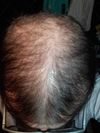
Hair regrowth and gender transition using finasteride, estrogen, and spironolactone. Significant hair regrowth and personal transformation were achieved through hormone replacement therapy.
Alcohol-free minoxidil options in Europe, particularly from a German pharmacy, are recommended for those with seborrheic dermatitis. Users suggest alternatives like Alopexy and Doppelherz foam, and emphasize avoiding propylene glycol and alcohol to reduce irritation.
Pumpkin seed oil is not a substitute for minoxidil; it acts more like finasteride as a DHT blocker. Minoxidil is necessary for hair growth, and combining it with treatments like PRP or saw palmetto may be beneficial.
Hair growth success may be linked to addressing scalp fungi issues, with treatments like minoxidil, finasteride, and dutasteride being important. DHT may contribute to scalp microbial issues, potentially causing inflammation and hair loss.
Starting with 5 mg of oral minoxidil for faster initial results, then reducing to 2.5 mg to maintain progress. The user seeks opinions on this approach.
A 19-year-old is experiencing hereditary hair thinning and is considering switching from topical to oral minoxidil due to convenience and starting finasteride at a low dose to minimize side effects. A suggestion was made to start with 0.25 mg of finasteride daily and gradually increase to 0.5 mg, while oral minoxidil requires a prescription.
The conversation discusses using Dutasteride, Finasteride, and Minoxidil for hair loss treatment. The user plans to gradually increase Dutasteride dosage to 2.5mg if no side effects occur, while others suggest combining it with Minoxidil and microneedling for better results.
A 16-year-old experiencing diffuse hair thinning is considering using minoxidil and plans to start finasteride at 18, while others suggest alternatives like saw palmetto and pumpkin seed oil. Users advise consulting a doctor before starting treatments and emphasize the importance of understanding the cause of hair loss.
A 19-year-old is using 2.5 mg oral minoxidil for hair loss and plans to add finasteride later, but is concerned about potential hair loss after starting finasteride. Others advise starting finasteride sooner to prevent further hair loss, noting that shedding is a normal part of the process.
A 20-year-old saw significant hair regrowth after 9 months of using DHT blockers (finasteride and dutasteride) and 6 months of hormone replacement therapy (HRT) with estradiol. The regrowth is attributed to low testosterone and high estradiol levels, without using Minoxidil.
The user has been using topical 5% minoxidil for six months with minimal results and is worried about greasy hair and potential side effects of adding finasteride. Others suggest combining minoxidil with finasteride for better results, while discussing potential side effects like erectile dysfunction.
A 30-year-old is seeking advice on hair loss treatment, currently using oral minoxidil, finasteride, mesotherapy, and a supplement. They are experiencing shedding and are anxious about the effectiveness of the treatment, asking if they should continue or consider other options like topicals or microneedling.
Creating custom topical treatments for hair loss using minoxidil, finasteride, and RU58841. It includes recipes and instructions for home preparation, focusing on cost savings and customization.
After 3 months of using oral minoxidil and finasteride, the user experienced thicker hair and filled-in thinning areas, with no major side effects except an initial shedding phase. The treatments were prescribed online, and the user noticed results after 2.5 months.
A user experienced significant hair loss after starting microneedling, despite using dutasteride and topical minoxidil. They are advised to consult a doctor as the shedding pattern is unusual and may indicate alopecia areata or other scalp conditions.
The user has been on Finasteride for 13 months without results and plans to switch to Dutasteride. They are considering adding Minoxidil to prevent further hair loss and are seeking advice on the effectiveness of combining these treatments.
Veradermics' oral minoxidil shows promise for hair regrowth, with some users reporting significant improvements, while Pelage's PP405 results are less convincing and lack transparency. There is skepticism about both treatments' long-term effectiveness and potential side effects.
A 24-year-old started using 1 mg oral finasteride, 5% topical minoxidil, and 1 mm microneedling every other week for hair loss, reporting no side effects and noticeable improvement after four months. The user clarified a typo in the title, initially suggesting meditation instead of medication.
A serum with oleic and palmitoleic acids shows promise for hair regrowth in mice, but its effectiveness in humans is unproven. Minoxidil and finasteride remain the recommended treatments.
Sodium dodecyl sulfate, oleic acid, and palmitoleic acid may promote hair growth, but their safety and effectiveness for humans are uncertain. Users consider trying these treatments cautiously, exploring alternatives like ostrich oil and microneedling.
Using roll-on bottles for applying minoxidil and RU58841 improves application efficiency and reduces product waste. Topical treatments are used continuously, except on microneedling days.
A 30-year-old is using oral finasteride 1mg daily, topical minoxidil 5% twice a day, dermastamping, Nizoral shampoo, and supplements for hair regrowth. They report positive results and plan to update with longer hair in the future.
People discuss whether it's appropriate to suggest hair loss treatments like finasteride or minoxidil to others, especially young individuals. Opinions vary, with some advocating for sharing information and others cautioning against unsolicited advice due to potential side effects and personal sensitivities.
The user has been using dutasteride twice a week for 8 months and oral minoxidil for 3 months but is experiencing increased hair thinning. Many recommend taking dutasteride daily for improved results.
Pelage secured $120 million for PP405, a non-hormonal topical hair loss treatment, sparking debate on its potential as a breakthrough. Concerns about finasteride's side effects persist, with some suggesting alternatives like topical finasteride or dutasteride.
A 25-year-old male shared his hair loss journey, using finasteride and oral minoxidil, which improved his hair density and quality. He also addressed dermatitis with exfoliation and anti-dandruff shampoo, and emphasized the importance of a healthy scalp and lifestyle changes.
A 22-year-old experiencing hair loss and persistent scalp itchiness since age 16 has tried various treatments, including finasteride, ketoconazole shampoo, and dietary changes, with no success. Suggestions include consulting a knowledgeable dermatologist, considering seborrheic dermatitis, and trying different shampoos like Selsun Blue or those with selenium sulfide.
The user is considering a hair transplant while currently using minoxidil, saw palmetto, and pumpkin seed oil. Others suggest using finasteride or dutasteride for better results and to prevent further hair loss.
The user is experiencing hairline recession and plans to use minoxidil, finasteride, and biotin for a year, considering a hair transplant if needed. They seek advice on their treatment plan and additional ways to support hair growth.