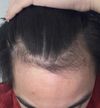
Hair loss treatments like Minoxidil, finasteride, and potential mRNA therapies are discussed. There is skepticism about targeting specific genes due to the complex genetic nature of hair loss.
The user is using oral dutasteride, oral minoxidil, topical minoxidil, finasteride solution, tazarotene, calcipotriol, and a peptide serum for hair loss but is concerned about continued hair shedding. They are advised to stop smoking as it may worsen hair loss and to give the treatments more time to work.
A 20-year-old is concerned about hair progress after two months on finasteride and minoxidil. They are advised that initial shedding is normal and real progress may take 6-12 months, with stress possibly affecting results.
A 31-year-old is happy with hair regrowth and thickening after using 0.5 mg dutasteride daily and 5% topical minoxidil. Initial results appeared in six months, with continued improvement over time.
A 47-year-old experienced significant hair regrowth using a combination of finasteride and minoxidil, despite initial setbacks with scalp inflammation from minoxidil. The treatment improved hair thickness and color, though some sexual side effects were noted.
Celebrities often use hairpieces, transplants, or medications like Minoxidil to maintain their hairlines. Hair transplants require ongoing medication, and opinions on their success vary.
The user reports that using topical Dutasteride has stopped their hair loss, and they are curious about potential side effects and regrowth. They also mention having scalp psoriasis and past SSRI use affecting libido.
Hair loss treatments discussed include microneedling, minoxidil, tretinoin, finasteride, dutasteride, pumpkin seeds, saw palmetto, and scalp massage. The consensus is that finasteride or dutasteride is necessary for significant regrowth, while other methods may only slow hair loss.
A 26-year-old male has been using 1 mg finasteride daily for two years, which has stabilized his hair loss but not fully stopped thinning. He is considering adding oral minoxidil but is concerned about potential cardiovascular side effects.
A 19-year-old is frustrated with doctors giving misleading information about hair loss treatments, specifically finasteride and minoxidil. They plan to self-administer finasteride due to concerns about side effects and lack of supportive medical guidance.
The user has been taking 1mg of finasteride every other day for two months, experiencing improved hair quality but disrupted sleep. They are seeking advice on whether the sleep issues will improve with continued use or if they should stop the medication.
A nearly 50-year-old male achieved significant hair regrowth and thickening over three years using daily finasteride, twice-daily topical minoxidil, and bi-weekly microneedling with a dermastamp. He experienced no side effects and found microneedling particularly effective for the crown area.
The user is experiencing continued hair loss despite using finasteride, dutasteride, and minoxidil, and is advised to improve diet, check for deficiencies, and consider other treatments like microneedling. Suggestions include sticking with the current regimen, considering a hair transplant, or accepting hair loss and shaving.
Finasteride is not linked to a 60% risk of persistent sexual dysfunction; this figure applies only to those already experiencing sexual issues. Most users do not have side effects, and the study's methodology is criticized for selection bias.
A 28-year-old male is concerned about hair loss and is considering starting oral minoxidil now and finasteride after having more children due to fertility concerns. He is worried about losing more hair if he waits four years to begin treatment.
The user experienced hair regrowth using oral Dutasteride and Minoxidil over 6-7 months, despite some ongoing hair shedding. They reported no significant side effects, although some users discussed potential brain fog and cognitive issues possibly linked to Dutasteride.
A woman with androgenetic alopecia uses Dutasteride and Bicalutamide but feels devastated due to increased sensitivity to DHT. She considers wigs, Minoxidil, and seeks advice on options like spironolactone, hair transplants, and therapy.
The user shared progress pictures after 80 days on oral minoxidil, noting improvement despite some shedding and no side effects. The discussion included comparisons between oral and topical minoxidil, with some users preferring oral for convenience and effectiveness.
A 26-year-old uses topical minoxidil, oral finasteride, and Nizoral shampoo for hair thinning and is considering microneedling but is unsure about the best approach. Users suggest using a 1.0mm dermaroller once a week, cautioning against overuse due to potential scarring, and some recommend combining microneedling with minoxidil for better absorption.
Minoxidil alone is not effective for hair regrowth; adding a DHT blocker like finasteride or dutasteride is recommended. Dermastamping and micro-needling can enhance results, and some users suggest trying oral minoxidil or natural DHT blockers.
A 24-year-old male experienced hair loss regression after 3.5 years on topical finasteride and minoxidil. He is considering switching to topical dutasteride or oral finasteride due to concerns about side effects and is seeking advice on the efficacy of these treatments.
Minoxidil gains are typically lost after stopping its use, but some suggest finasteride or dutasteride might help retain them, though results vary. Microneedling and low-level laser therapy are mentioned as alternative treatments, but minoxidil is noted for having a more significant impact.
Switching from finasteride to dutasteride can cause initial shedding, but many see long-term hair regrowth and stabilization. Responses vary, with some experiencing fewer side effects and others finding it less effective.
Hair regrowth treatments like Minoxidil and Finasteride take a long time, often up to a year, to show significant results, and people should be patient. Many users express frustration with unrealistic expectations for quick results and emphasize the importance of consistency and patience.
A user shared their 16-month hair regrowth progress using finasteride, oral minoxidil, and micro-needling, noting significant improvement and minor side effects like stray ear hairs. Consistency in treatment was emphasized, with noticeable hair improvement within the first 6 months.
The conversation discusses hair loss treatments, including microneedling, Nizoral, LLLT, Minoxidil, and Finasteride. The user experienced initial shedding reduction with Nizoral and LLLT, but shedding resumed with Minoxidil and Finasteride, which is considered a normal part of the treatment process.
The conversation is about skepticism towards a product marketed as a "DHT BLOCKER" for hair loss, with users suggesting it is a scam and recommending proven treatments like finasteride and minoxidil. Other suggestions include lifestyle changes like a healthy diet, exercise, and stress reduction.
Microneedling alone may not be effective for hair regrowth, though it can improve skin and reduce scars. Minoxidil caused heart palpitations for one user, leading them to stop its use.
Hair loss can be caused by various factors such as stress, thyroid issues, and genetics. Treatments mentioned include dutasteride, DHT blockers, and thyroid medication, though results vary.
Finasteride and Dutasteride do not cause depression or mood disorders; hair loss itself may be a more significant factor. Some users experience side effects from Finasteride, but it is generally well-tolerated.