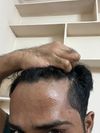
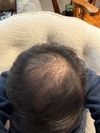
The user experienced prolonged hair shedding after restarting oral minoxidil (OM) at 2.5 mg in September 2023, following a break due to hypertrichosis. Despite seeing regrowth, the shedding has not decreased after 11 weeks on the increased dosage.
A user from Ontario, Canada, is seeking cheaper options for topical Minoxidil and oral Finasteride for hair loss, as current prices are around $300 for a three-month supply. They are asking if this pricing is typical and if there are more affordable alternatives.
The user saw significant hair regrowth using topical minoxidil and finasteride, even on areas not directly treated. They used local Algerian products with 5% minoxidil and 0.1% finasteride and reported no side effects.
Black individuals may embrace baldness better due to less contrast between hair and skin. Finasteride is suggested for hair loss management, and natural styles like buzz cuts are recommended.
The user plans to switch from topical to oral finasteride (1mg/day) and minoxidil (3mg/day) due to unsatisfactory results with topical treatments. They seek advice on the effectiveness, potential side effects, and the timing for considering a hair transplant, with recommendations to monitor health metrics like blood pressure and conduct thorough bloodwork before starting.
Intermittent fasting may suppress hair follicle regeneration, but opinions vary on its impact on hair loss. Some users report no negative effects or even hair improvement while using treatments like finasteride and minoxidil.
The conversation discusses alternative and unorthodox hair loss treatments, including RU58841, nandrolone, and dianabol, as well as theoretical approaches involving high doses of estrogen and selective estrogen receptor modulators. These methods are considered extreme and potentially harmful but are explored for those unable to tolerate traditional 5-alpha reductase inhibitors.
COVID and COVID vaccination can trigger hair loss, primarily telogen effluvium, due to stress and immune system activation. Proper diagnosis and addressing factors like nutrition and stress are crucial for recovery.
The user switched from finasteride to dutasteride 0.5mg daily two years ago and has experienced hair maintenance and slight thickening without side effects. The user's libido increased after switching, and they are not using minoxidil.
Topical roflumilast is effective for reducing inflammation in various scalp conditions like seborrheic dermatitis, psoriasis, and eczema, but not proven to stop scarring alopecia. Alternatives like apremilast and Vtama are also discussed for their anti-inflammatory benefits.
The conversation discusses a hair loss treatment regimen including oral dutasteride, oral minoxidil, tadalafil, and the recent addition of RU58841. The user shares experiences with these treatments, noting significant hair regrowth and stabilization, and discusses the cost and preparation of RU58841.
Minoxidil, finasteride, and RU58841 are suggested for hair loss treatment. Supplements like biotin and saw palmetto may help but are not effective for androgenic alopecia.
An 18-year-old with early hair loss is advised to consider minoxidil and finasteride, with a doctor's consultation recommended. Alternatives like a hair system or shaving are suggested due to potential medication side effects and lifelong commitment.
The user experienced significant hair regrowth in six months using 1.25mg oral finasteride and topical Kirkland minoxidil once a day. Others suggested additional treatments like dermastamping and alternative products, while some noted varying responses and potential side effects.
The user has been using topical minoxidil with tretinoin for 9 months without much regrowth and suspects finasteride is responsible for any improvement. They are inquiring about tests to determine response to topical minoxidil and seeking advice on switching to oral minoxidil, including potential side effects and monitoring requirements.
The user is considering switching from topical minoxidil to a combined oral treatment of finasteride and minoxidil for better consistency but is concerned about potential side effects like shedding, dizziness, and swelling. Another user advises that oral minoxidil should only be used under medical supervision with regular health checks and suggests using reputable brands like Pfizer's Loniten.
A user is considering a 3-in-1 capsule containing Finasteride, Minoxidil, and Biotin for hair loss. Concerns are raised about Biotin's impact on the effectiveness of Finasteride and Minoxidil, and the cost is unclear without logging in.
The user shared their one-year progress using finasteride and foam minoxidil for hair loss, experiencing positive results with minimal side effects. They are considering a hair transplant for better coverage in the future.
Finasteride improved hair density and changed hair texture from wavy to curly for the user. The user took 1mg of oral finasteride daily without using minoxidil.
The conversation discusses the potential long-term effects of stopping finasteride after extended use, with differing opinions on the existence and prevalence of post-finasteride syndrome (PFS). Some users report persistent side effects, while others argue that such effects are rare or unrelated to the medication.
The user experienced positive results using oral minoxidil and finasteride chewables for hair loss, with no significant side effects. They noted new hair growth and shared their routine, which includes diet changes and weightlifting.
Hair loss treatments like olive oil, coconut oil, and finasteride are discussed with skepticism and humor. The conversation highlights disbelief in quick fixes and the ongoing search for effective solutions.
Prolactin and cortisol are identified as key factors in hair loss, with stress hormones impacting hair shedding. Finasteride and minoxidil are effective treatments, while DHT's role and individual sensitivity are significant factors.
Hair loss treatments like finasteride, dutasteride, minoxidil, and RU58841. Users discuss "DHT itch" at receding hairlines and suggest using dutasteride or ketoconazole shampoo for relief.
The user plans to resume finasteride and minoxidil for hair loss but wants to reduce the finasteride dose to avoid side effects. They are considering taking 0.25 mg or 0.5 mg daily or spacing it out.
Scientists claim a combination of caffeine, two proteins, and Centella asiatica extracts can cure hair loss, but skepticism remains due to past unfulfilled promises. Users discuss various treatments like minoxidil, finasteride, and microneedling, expressing doubt about the effectiveness of new methods.
Finasteride reduces scalp DHT significantly even at low doses, with 0.2 mg reducing it by about 55%, but higher doses like 1 mg and 5 mg offer only marginally more reduction. Users discuss side effects, with some experiencing none and others reporting issues like low libido, and they also mention using other treatments like minoxidil and dutasteride.
Hair transplant success largely depends on individual biology, with many patients needing multiple procedures to achieve satisfactory density. Even top surgeons can't guarantee results, and many people use additional treatments like Minoxidil and Finasteride.
A 30-year-old male experienced significant hair regrowth after five months of using topical minoxidil (5% foam) and oral dutasteride (0.5 mg daily). The user reported no side effects and was grateful for the progress, despite the rapid gains slowing down.