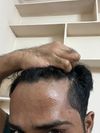
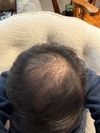
Microneedling can still be beneficial when using oral finasteride and minoxidil, with a recommended needle length of 0.5mm to 1.0mm. A stamp or pen is preferred over a roller for microneedling.
OP plans to switch from topical to oral minoxidil due to limited results and is advised to overlap both for a few weeks before discontinuing the topical. Oral minoxidil may be more effective for non-responders to topical treatment.
The user reported potential hair regrowth after 3 months of using finasteride and minoxidil. Others discussed varying results and experiences with these treatments, including differences in shedding and regrowth.
RU58841 should be stored in the refrigerator to maintain efficacy, but it remains stable for over two years even without refrigeration. A user prefers using Minoxidil and finasteride instead.
A 26-year-old male is considering switching from Finasteride to Dutasteride for more effective hair restoration, while others share experiences and advice on transitioning between these treatments. Many suggest gradually integrating Dutasteride with Finasteride to avoid shedding, and some report positive results with Dutasteride, though regrowth is not guaranteed.
The conversation humorously speculates on whether King Thutmose IV used finasteride to maintain his hair, with references to minoxidil and other hair loss treatments. It includes jokes and satire about historical figures and hair loss.
Minoxidil can cause dry, stiff hair, making styling difficult. Users suggest applying it hours before styling, using light styling products, and not washing hair daily to manage dryness.
The user is experiencing hair loss despite using dutasteride, minoxidil, and ketoconazole shampoo, and is concerned about continued shedding. Suggestions include checking for nutrient deficiencies, consulting a dermatologist, and considering other potential causes like seborrheic dermatitis or telogen effluvium.
A 40-year-old male has been using 5% minoxidil foam and 1mg finasteride for 2.5 months, noticing darker and thicker hair. Users encourage him to continue the treatment, as results can take 6-9 months or longer.
The user experienced increased hair loss and a thinning hairline after starting finasteride, despite using minoxidil for over 1.5 years. They are seeking advice on how to address this issue.
Nicotine may negatively affect hair by reducing blood flow due to its vasoconstrictor properties, but its impact might be minimal. Finasteride users are advised to avoid nicotine to prevent potential hair loss issues.
Hair loss treatments include topical and oral minoxidil, low-level laser light therapy, and peptide serums. Bryan Johnson avoids finasteride and dutasteride due to potential side effects, focusing instead on his own protocol with these treatments.
Natural remedies may improve hair and scalp health but do not stop hair loss related to DHT or other imbalances. Proven treatments like Minoxidil and Finasteride are recommended for effective results.
A user is seeking advice on how to split a 5mg finasteride tablet to achieve a 1mg dose for hair loss treatment, as 1mg tablets are unavailable in Morocco. They are looking for a cost-effective solution due to financial constraints.
Ketoconazole can slightly improve hair density and is best used as an adjunct to treatments like finasteride and minoxidil. It helps with scalp health but won't stop androgenetic alopecia on its own.
The user has been using topical Minoxidil twice daily for a year and is seeking feedback on whether their hair condition is improving, maintaining, or worsening. They provided photos for comparison from last year and this year.
Hair loss involves more than just DHT, with genetic factors like TRPS affecting hair follicles. Treatments such as Amplifica's AMP-601 and AMP-303 target stem cells for potential hair growth solutions.
Microneedling combined with minoxidil and finasteride initially showed significant hair growth, but stopping microneedling and reducing minoxidil use led to hair loss. Returning to the original routine may help regain lost progress.
The user reports worsening hairline after one month on 1mg finasteride and 2.5mg minoxidil. They are concerned about accelerated hair loss and seek advice.
The user experienced prolonged hair shedding after restarting oral minoxidil (OM) at 2.5 mg in September 2023, following a break due to hypertrichosis. Despite seeing regrowth, the shedding has not decreased after 11 weeks on the increased dosage.
A user from Ontario, Canada, is seeking cheaper options for topical Minoxidil and oral Finasteride for hair loss, as current prices are around $300 for a three-month supply. They are asking if this pricing is typical and if there are more affordable alternatives.
The user saw significant hair regrowth using topical minoxidil and finasteride, even on areas not directly treated. They used local Algerian products with 5% minoxidil and 0.1% finasteride and reported no side effects.
Black individuals may embrace baldness better due to less contrast between hair and skin. Finasteride is suggested for hair loss management, and natural styles like buzz cuts are recommended.
The user plans to switch from topical to oral finasteride (1mg/day) and minoxidil (3mg/day) due to unsatisfactory results with topical treatments. They seek advice on the effectiveness, potential side effects, and the timing for considering a hair transplant, with recommendations to monitor health metrics like blood pressure and conduct thorough bloodwork before starting.
Intermittent fasting may suppress hair follicle regeneration, but opinions vary on its impact on hair loss. Some users report no negative effects or even hair improvement while using treatments like finasteride and minoxidil.
The conversation discusses alternative and unorthodox hair loss treatments, including RU58841, nandrolone, and dianabol, as well as theoretical approaches involving high doses of estrogen and selective estrogen receptor modulators. These methods are considered extreme and potentially harmful but are explored for those unable to tolerate traditional 5-alpha reductase inhibitors.
COVID and COVID vaccination can trigger hair loss, primarily telogen effluvium, due to stress and immune system activation. Proper diagnosis and addressing factors like nutrition and stress are crucial for recovery.
The user switched from finasteride to dutasteride 0.5mg daily two years ago and has experienced hair maintenance and slight thickening without side effects. The user's libido increased after switching, and they are not using minoxidil.
Topical roflumilast is effective for reducing inflammation in various scalp conditions like seborrheic dermatitis, psoriasis, and eczema, but not proven to stop scarring alopecia. Alternatives like apremilast and Vtama are also discussed for their anti-inflammatory benefits.