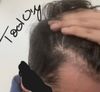
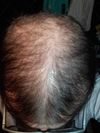
Using roll-on bottles for applying minoxidil and RU58841 improves application efficiency and reduces product waste. Topical treatments are used continuously, except on microneedling days.
A 30-year-old is using oral finasteride 1mg daily, topical minoxidil 5% twice a day, dermastamping, Nizoral shampoo, and supplements for hair regrowth. They report positive results and plan to update with longer hair in the future.
People discuss whether it's appropriate to suggest hair loss treatments like finasteride or minoxidil to others, especially young individuals. Opinions vary, with some advocating for sharing information and others cautioning against unsolicited advice due to potential side effects and personal sensitivities.
The user has been using dutasteride twice a week for 8 months and oral minoxidil for 3 months but is experiencing increased hair thinning. Many recommend taking dutasteride daily for improved results.
Pelage secured $120 million for PP405, a non-hormonal topical hair loss treatment, sparking debate on its potential as a breakthrough. Concerns about finasteride's side effects persist, with some suggesting alternatives like topical finasteride or dutasteride.
A 25-year-old male shared his hair loss journey, using finasteride and oral minoxidil, which improved his hair density and quality. He also addressed dermatitis with exfoliation and anti-dandruff shampoo, and emphasized the importance of a healthy scalp and lifestyle changes.
A 22-year-old experiencing hair loss and persistent scalp itchiness since age 16 has tried various treatments, including finasteride, ketoconazole shampoo, and dietary changes, with no success. Suggestions include consulting a knowledgeable dermatologist, considering seborrheic dermatitis, and trying different shampoos like Selsun Blue or those with selenium sulfide.
The user is considering a hair transplant while currently using minoxidil, saw palmetto, and pumpkin seed oil. Others suggest using finasteride or dutasteride for better results and to prevent further hair loss.
The user is experiencing hairline recession and plans to use minoxidil, finasteride, and biotin for a year, considering a hair transplant if needed. They seek advice on their treatment plan and additional ways to support hair growth.
A user switched from 2% to 5% minoxidil, alongside using finasteride and dermarolling, to address hair thinning and is curious about potential shedding. They have not experienced noticeable hair loss or shedding since starting the treatment.
The conversation discusses reducing scalp DHT to prevent hair loss, with a focus on using dutasteride, finasteride, and other treatments like RU58841 and minoxidil. It highlights the challenges of managing hair loss while on high testosterone levels, suggesting that dutasteride may be more effective than finasteride in such cases.
A dermatologist recommended switching from finasteride to dutasteride due to concerns about finasteride's side effects, despite the user not experiencing any. The user is considering transitioning strategies, including stopping finasteride immediately or overlapping both medications.
A 21-year-old is experiencing hair loss and has been using finasteride, minoxidil, and recently added dutasteride to their treatment. They have seen some progress and are considering a hair transplant if needed, but are not aiming for full recovery.
Finasteride did not improve hair loss and seemed to accelerate it, particularly on the forehead. The user is considering stopping the medication due to these negative effects.
The user started a hair loss treatment with oral finasteride, minoxidil, and microneedling but hasn't seen improvement after six months, experiencing increased shedding instead. Suggestions include continuing the treatment for a year, considering topical minoxidil, and possibly adding dutasteride if needed.
Dutasteride at 0.5mg may have fewer sexual side effects than expected, with many side effects attributed to psychological factors (nocebo effect). The placebo group experienced more side effects, suggesting fear and anxiety might contribute to perceived side effects.
The user achieved significant hair regrowth using 0.5mg oral Dutasteride, 2.5mg oral Minoxidil, topical Minoxidil twice daily, Ketoconazole shampoo twice a week, and weekly dermastamping with no side effects. Results were noticeable after 2-3 months, with the best results at 9 months.
The user experienced initial improvement in hair loss with oral finasteride and minoxidil but later faced increased shedding and thinning. They switched to dutasteride, hoping for better results, while continuing topical minoxidil.
A 26-year-old man with diffuse alopecia is using electric scalp massage, dermastamp, and multivitamins for treatment but is intolerant to finasteride. A dermatologist recommended PRP and mesotherapy with exosomes and dutasteride.
Some users experienced erectile dysfunction with finasteride but not with dutasteride, while others had issues with both. Individual reactions vary, with some reporting improved mood and hair growth on dutasteride.
The user is experiencing hair shedding after using oral finasteride and topical minoxidil, questioning if this is normal. They are concerned about thinning at the hairline despite using these treatments.
Finasteride is generally seen as more successful for hair loss than Dutasteride, with fewer negative experiences reported. Dutasteride is considered more effective but often leads to more complaints, possibly due to higher expectations or improper use.
The user has been taking Finasteride for almost 2 months and using Minoxidil 5% spray daily since March. They feel Minoxidil hasn't helped after 7 months, and Finasteride has increased hair loss.
The user experienced significant hair loss after starting dutasteride, despite improved libido and gym performance. They previously used finasteride but stopped due to side effects and are considering combining treatments or a hair transplant.
A 22-year-old is considering starting finasteride for hair loss, questioning if their hairline is stable or if treatment is needed. They shared images of their hairline, which has been the same since their teenage years.
A 21-year-old male is using a Minoxidil (10%) and Finasteride (0.1%) topical solution with a Keraglo Men tablet for hair loss, experiencing positive results without side effects. He advises another user to prepare questions for a dermatologist visit and discusses potential treatment adjustments.
Shedding is not necessary for regrowth when using finasteride or dutasteride, as experiences vary. Some users report regrowth without shedding, while others see shedding as a positive sign of future regrowth.
A 30-year-old male, using Finasteride for over six years, is experiencing increased hair loss despite a stable hairline. He increased his Finasteride dosage and ordered Ketoconazole and Minoxidil, but is concerned about long-term daily application and the impact on his confidence.
The user is experiencing hair loss and is using finasteride while addressing low ferritin and copper levels. They are concerned about continued hair shedding and are advised to correct vitamin deficiencies and wait for finasteride results after 12 months.
A 25-year-old shares progress on hair regrowth using finasteride, ketoconazole shampoo, Alpecin caffeine shampoo, and topical minoxidil, noting improved hair health but persistent temple thinning. They consider switching to oral minoxidil, adding microneedling, and possibly a hair transplant after one year.