Search
for
Sort by
Community Join
360-390 / 1000+ resultscommunity Has anyone seen this study before? It claims that B6+Zinc can inhibit 5ar activity
The conversation discusses using B6 and Zinc to inhibit 5ar activity, similar to Fin and Dut. Minoxidil is mentioned as a supplementary treatment.
community Faced my fear and made a doctor appointment
Facing fears and making a doctor appointment to get more info on individual hair loss cases, as well as the discussion of potential treatments such as Finasteride/Dutasteride, Minoxidil, or RU58841.
community I can't take it anymore, thinking about the worst
The individual is struggling with hair loss and depression, having tried treatments like Finasteride, Dutasteride, and Minoxidil, but faced side effects and limited success. They are considering a hair transplant and other options while dealing with personal challenges, including knee injuries and weight issues, and are encouraged by others to focus on self-improvement and acceptance.
community Finasteride and Dutasteride results compilation thread
Combining finasteride and dutasteride may enhance hair regrowth by targeting different enzymes, with positive results reported. Minoxidil, both oral and topical, is also used to improve effectiveness.
community Can I crush caffeine/melatonin tablets and add them to my minoxidil?
A user asked if they can crush caffeine and melatonin tablets to add to their minoxidil solution. Another user sarcastically suggested adding rat poison.
community Interpreting pre-finisteride blood panels
The conversation is about someone planning to start finasteride for hair loss and wanting to interpret pre-treatment blood panels to assess the risk of side effects like gynecomastia. They list various tests to measure hormone levels and other health indicators.
community The people this data actually matters for aren't talking about efficacy numbers
Oral minoxidil can cause cardiovascular issues, but an extended release formulation may reduce side effects like heart rate and blood pressure spikes. This new formulation offers a safer option for those who previously had to stop due to health concerns.
community Who else stares at ppl that are balding
Many people become hyper-aware of hair loss in themselves and others, often leading to feelings of jealousy or self-consciousness. Treatments like finasteride, minoxidil, and dutasteride are commonly discussed as solutions to combat hair loss.
community "Minoxidil and Caffeine: Reason behind hyper responders and non-responders."
Minoxidil and caffeine may interact, affecting hair growth results. Users shared mixed experiences, with some noticing improvements without caffeine and others still seeing results despite coffee consumption.
community I am putting my hair loss treatment on hold until my mental health is better.
OP is pausing hair loss treatments to focus on mental health due to anxiety and side effects from RU58841. They plan to try topical finasteride and minoxidil after recovering from pneumonia.
community Oral Minoxidil- Be Careful!!!!!
Oral minoxidil can cause severe side effects, including heart issues, even at low doses. Users suggest starting with a lower dose or using topical treatments to minimize risks.
community THERE IS HOPE - Progress Pictures - Combo Therapy - Fin/Min/Needling
A 29-year-old male shared his hair loss journey, using oral finasteride, topical minoxidil, derma rolling, and recently switching to dutasteride, oral minoxidil, and ketoconazole shampoo. He observed significant regrowth but progress slowed, hoping new treatments will enhance results.
community I though I didn’t have any progress. My doctor showed me I was just anxious and hyper aware
The user's experience with hair loss, their doctor explaining that they were likely hyper aware of thin spots due to anxiety and an underlying whorl in one area, and providing encouragement for those feeling discouraged. Treatments mentioned include minoxidil and spironolactone.
community Seems I have acquired progressive kinking of the hair, potentially brought on by minox.
User experienced hair kinking after starting minoxidil, despite being on finasteride for two years. Another user confirmed similar issues and suggested switching brands due to propylene glycol in minoxidil.
community Minoxidil Finasteride heart problems
A user experienced heart problems after taking 1mg finasteride and 2.5mg oral minoxidil and is considering quitting minoxidil. Others discussed their experiences with heart issues and minoxidil, with some suggesting topical minoxidil as a safer alternative.
community Dutasteride+finasteride? More effective?
community topical minoxidil (5%) & kx826 (.5%) update.
The user has been using topical minoxidil (5%) for two years and kx826/pyrilutamide for one year, after experiencing side effects from finasteride. They report positive results from the combination of minoxidil and kx826 in combating hair loss.
community results: 15 months fin + 4.5 months estrogen monotherapy + 4.5 months min
The user has been using finasteride for 15 months, minoxidil for 4.5 months, and estrogen monotherapy for 4.5 months. Their current regimen includes finasteride, minoxidil, alfatradiol, and estradiol gel.
community Oral Minoxidil and Grapefruit Juice
The conversation is about the potential dangers of taking oral minoxidil and grapefruit juice together. Some users express concern about dangerous drug interactions, while others argue that grapefruit juice may inhibit the metabolism of finasteride. The conclusion is that grapefruit juice may make finasteride less effective, but it won't affect minoxidil.
community Has anyone in Germany gotten topical finasteride custom-compounded by a pharmacy?
The conversation is about obtaining custom-compounded topical finasteride in Germany due to side effects from oral finasteride. The user seeks a lower concentration solution separate from minoxidil, and others suggest self-mixing or trying alternatives like dutasteride.
community This sub finasteride so much more complicated than it needs to be.
Take 1mg finasteride daily as the standard approach; adjust only if side effects occur. Many users experiment unnecessarily with doses and methods, complicating treatment.
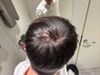
community (M27) Which treatment should i start (min, fin, both, other)? Advices are welcome
A 27-year-old is experiencing rapid hair thinning and is considering starting minoxidil or finasteride but is concerned about their effects and side effects. They seek advice on which treatment to start and appropriate dosages.
community I wish we didn’t have to live with this….
The struggles of hair loss at a young age and available treatments, such as medication (Finasteride, Minoxidil, Dutasteride, Derma Rolling) and potential options for hair systems or cloning in Japan. People discussed their own experiences with trying to cope with the emotional aspects of this condition.
community What can I mix Eucapil (fluridil) with?
Fluridil should not be mixed with minoxidil due to water content. Mixing with stemoxydine or alfatradiol is being considered for easier application.
community two months on 2-deoxy-d-ribose (2ddr)
The conversation discusses hair regrowth using 2-deoxy-d-ribose (2DDR) combined with minoxidil, with some users noting new hair growth. The original poster has been using minoxidil for 12 years and is considering combining 2DDR with finasteride, despite past side effects.
community After quitting min and fin I asked AI on how fix the mess I am in and it says:
Prolonged use of topical minoxidil and finasteride can lead to neuroendocrine and autonomic dysfunction, causing severe sensitivity and side effects. Recovery involves avoiding these treatments, supporting neurosteroid recovery, calming the sympathetic system, and rebuilding scalp health naturally.
community Shouldn't it be standard practice for anyone on Fin to take zinc (or another aromatase inhibitor)?
community Have b-complex vitamins helped anyone else?
B-complex vitamins may improve hair appearance but have limited impact on hair loss. Some users also use minoxidil and finasteride for hair loss treatment.
community Considering Min/Fin for Receding Corners at Norwood 2/2.5, Need Advice
The user is considering starting minoxidil and finasteride for hair loss at Norwood 2 or 2.5. Another user suggests consulting a dermatologist and possibly using finasteride to prevent progression and minoxidil for regrowth, with dutasteride as an alternative.