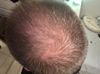
Use retin-a cream and maintain a good skincare routine to counteract skin issues caused by topical minoxidil. Taking sublingual minoxidil can also be beneficial.
A 26-year-old male has been using 1 mg finasteride daily for two years, which has stabilized his hair loss but not fully stopped thinning. He is considering adding oral minoxidil but is concerned about potential cardiovascular side effects.
The conversation discusses a personalized hair loss treatment plan based on DNA test results, recommending Minoxidil, Dutasteride, 17-alpha Estradiol, Cetirizine, and PRP sessions. The test identifies a high risk of hair loss due to DHT but a good response to Minoxidil, suggesting a tailored approach to treatment.
A person is worried about balding affecting their relationship and is using minoxidil, finasteride, and dutasteride. They are advised to be honest with their partner and focus on self-acceptance, as many people don't care about hair loss.
The conversation discusses using red light therapy as a complementary treatment for hair loss alongside finasteride, minoxidil, and other supplements. It suggests investing in reputable, albeit expensive, red light devices for effectiveness and mentions the potential benefits of scalp massage.
The user used minoxidil alone for 5 years and recently added finasteride, ketoconazole shampoo, bimatoprost, and dermarolling to their routine. They are hopeful for regrowth, as combining these treatments can address hair loss causes, but results may take up to a year.
Taking oral minoxidil with finasteride is generally acceptable and can be more convenient than using topical minoxidil. Dermarolling may enhance minoxidil absorption, and dutasteride is a stronger alternative to finasteride for DHT suppression, but it may have more side effects.
The user has been using finasteride, minoxidil, and Nizoral for hair loss but is not seeing much regrowth. Suggestions include trying oral minoxidil with dutasteride, and some users believe the hair looks better in recent pictures.
The user has been using Minoxidil 5% for a year and oral Finasteride 1mg for six months, along with a derma stamp, castor oil, and biotin shampoo, to address hair loss. They are experiencing uneven hair growth but are advised to continue their current routine for at least a year before considering a hair transplant.
The user has been using Dutasteride for over a year for hair loss and is considering a hair transplant if it doesn't work. Suggestions include adding Minoxidil and microneedling, but some advise against a transplant as the current treatment seems effective.
The user is using a combination of hair loss treatments including finasteride, stemoxydine, oral minoxidil, RU58841, dermastamping, ketoconazole shampoo, collagen, Viviscal, and biotin, and has improved their diet. Despite these efforts, they are still experiencing hair shedding and scalp itchiness, and are considering increasing their minoxidil dosage or starting dutasteride.
A user's two-year progress using 1mg of oral finasteride daily and twice daily application of 5% minoxidil solution for hair loss. The user experienced temporary side effects but is pleased with the results, and another user warns about the importance of consistent use for maintaining results.
A user's experience with microneedling monotherapy and potential treatments such as finasteride, minoxidil, Stemoxydine, rosemary oil, peppermint oil, and RU58841 for reversing hair loss.
A user is concerned about receding hairlines and considers using finasteride and minoxidil but is hesitant due to potential side effects. Others advise starting treatment early to prevent further hair loss, emphasizing that finasteride is generally safe and effective for prevention.
The user experienced significant hair regrowth in three months using 1mg finasteride three days a week and topical minoxidil daily, with initial side effects from finasteride that resolved after adjusting the dosage. They used liquid minoxidil from the Kirkland brand and initially included microneedling in their routine.
Some men look better with shaved heads due to facial features and low body fat, while others believe a perfect hairline enhances attractiveness. Treatments like finasteride might be used to maintain a perfect hairline.
A person suspects their friend had a hair transplant instead of stem-cell injections due to a noticeably straight hairline. The discussion includes opinions on hair transplants, societal perceptions, and suggestions like using finasteride to maintain hair.
Hair loss treatments like finasteride and dutasteride are discussed, with concerns about side effects such as depression and brain fog. Some users argue about the necessity and impact of DHT on libido and other bodily functions.
The user experienced significant hair improvement after 15 months of treatment, using finasteride initially, then switching to dutasteride, and recently adding topical minoxidil. They credit their progress to dutasteride and support from Haircafe, a YouTuber.
The user experienced significant hair regrowth and reduced shedding after two years of using finasteride, minoxidil, and a laser helmet, along with maintaining scalp health with specific shampoos. Consistency and patience were key to their success, despite initial heavy shedding.
The user has been using finasteride for over a year and topical minoxidil since March, noticing small hairs but no significant regrowth. Suggestions include continuing the current treatment, considering microneedling, and possibly trying oral minoxidil for better results.
A 30-year-old man shared his positive experience with hair regrowth using Regenera Activ, topical Dutasteride, Minoxidil, and PRP over 12 weeks. He plans to continue with injectable Dutasteride and emphasizes the importance of starting treatment early to combat hair loss.
The conversation is about a user's positive hair regrowth progress using 1.5 mg minoxidil and 1 mg finasteride over nearly five months. The user shares before-and-after photos, receiving praise and questions about their treatment and side effects.
A user shared their positive experience with a hair transplant surgery, detailing the process and results, including the use of 2800 grafts and post-surgery treatments like PRP. They also mentioned using finasteride, minoxidil, and supplements to maintain hair growth.
The user experienced significant hair regrowth after nearly 7 months using 1mg finasteride daily and 5% minoxidil twice daily. They are considering adding microneedling to enhance results and are pleased with the progress so far.
The user shared their hair recovery progress using oral finasteride, minoxidil, and occasional dermarolling and ketoconazole shampoo, noting significant improvement since starting in September 2023. They experienced no side effects from finasteride and found topical finasteride ineffective, leading to its discontinuation.
A 48-year-old reported significant hair regrowth after two years using finasteride and minoxidil, with better results on the temples and using a dermastamp for the crown. The user experienced no side effects from the treatments.
The user shared progress photos showing significant hair regrowth over two months using finasteride, minoxidil, derma stamping, and mint and rosemary oil. Some users doubted the authenticity of the results, while others congratulated the user on the noticeable improvement.
The user experienced hair regrowth and thicker hair after using 5% topical minoxidil, 0.025% topical finasteride, and dermarolling weekly. Despite initial doubts and side effects from oral finasteride, the user received positive feedback on their progress.
Microneedling with topical minoxidil is effective for hair regrowth, especially with finasteride. Users report fewer side effects compared to oral minoxidil.