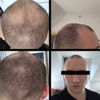
User discusses using Finasteride, Minoxidil, and Microneedling for hair loss. They gradually replaced Finasteride with Dutasteride and stopped using Nizoral shampoo due to shedding.
A 42-year-old male shared his 1.5-year hair regrowth progress using 1.25mg finasteride daily and regular doses of minoxidil twice a day, and recently started using the Derminator 2. He also mentioned his battle with cancer and Cushing's syndrome, which affected his weight and hair.
RU58841 showed promise for treating androgenic alopecia but research was halted due to financial and organizational changes. There were no significant safety concerns reported in human trials.
User sshamu's progress pictures of 4 months using minoxidil foam and 1MM dermarolling for hair loss, which resulted in impressive results. There is also discussion about how often to use the treatments, as well as potential side effects of finasteride.
A user shaved their transplanted hair during quarantine and shared positive results after one year, using Minoxidil 5%. They had 1,500 hairs transplanted via the DHI method with no visible scarring.
A user shared their positive experience with scalp micropigmentation (SMP) to cover hair thinning and a scar, choosing it over hair transplants due to its non-invasive nature and realistic results. They recommend SMP for those struggling with hair loss, emphasizing the importance of finding a trusted artist.
A woman with alopecia universalis shares her positive experience of being bald, finding it freeing and less worrisome. She also discusses her skincare routine using Korean products.
The user experienced hair thinning and used Minoxidil and Finasteride over 20+ years, with periods of stopping and restarting treatment, and eventually had a hair transplant. They are considering restarting Minoxidil and Finasteride and are curious about the effectiveness and potential shedding after resuming the treatment.
The user experienced significant hair regrowth using 0.5mg dutasteride and 5mg oral minoxidil, with fewer side effects compared to finasteride. They noticed improvements in hair thickness and hairline, despite intermittent use of performance-enhancing substances.
A 24-year-old male experienced significant hair regrowth after 10 months of using oral minoxidil and finasteride chewables from Hims, with no side effects. He noticed increased hair volume, especially at the front, and recommends trying the medication for hair loss.
The user underwent two hair transplants, started taking finasteride, oral minoxidil, and dutasteride, and began micro-needling to improve hair density and manage hair loss. They also focused on curly hair care techniques, resulting in noticeable improvements in the hairline and overall appearance.
PP405 is a promising hair loss treatment that may outperform minoxidil and finasteride by reviving dormant follicles and promoting significant regrowth. Results from ongoing trials are awaited, with a potential market release between 2028-2030.
The user is happy with the results of using 1mg finasteride daily for three years, reporting stopped hair loss and mild regrowth without side effects. They avoid minoxidil due to concerns about application and potential risks, and they use 2% nizoral shampoo weekly.
Justin Trudeau's full head of hair at 53 is humorously attributed to unpredictable genetics and possible use of finasteride. The conversation jokes about a resemblance to Fidel Castro, suggesting genetic luck or treatment use.
The user has been using finasteride and minoxidil for hair loss but is experiencing thinning at the crown and is considering a hair transplant. They are seeking advice on other treatments to try before proceeding with a transplant and how to find a reputable doctor.
The user has been using topical minoxidil and oral finasteride for hair regrowth, noticing some improvement and baby hairs at the hairline after four months. Suggestions include continuing the current treatment, considering microneedling, ketoconazole shampoo, vitamins, and possibly RU58841, while avoiding a hair transplant.
Minoxidil, dutasteride, and finasteride treatments have significantly increased eyelash length, with some users experiencing eyelashes over twice the average length. Many users report increased hair growth in unintended areas, such as knuckles and body hair, while still struggling with hair loss on the scalp.
A user experienced rapid hair loss and successfully regrew hair using minoxidil daily and finasteride 0.5mg every other day, along with lifestyle changes. They reported significant improvement after initial setbacks and emphasized the importance of starting treatment early.
The user is experiencing hair thickening with oral minoxidil but notices worsening hairline and considers starting finasteride despite concerns about gynecomastia. They are also considering using Latisse on their hairline and seek advice on potential outcomes and experiences with these treatments.
The user is experiencing significant hair regrowth after 2.5 months using 1mg oral finasteride, 2.5mg oral minoxidil, 5% topical minoxidil, biotin, vitamin D3, fish oil, and weekly microneedling with a 1mm roller. They are considering switching to a derma stamp and are pleased with the results, despite some concerns about using both oral and topical minoxidil together.
A 24-year-old male saw significant hair regrowth after 13 months using 1mg finasteride and 5mg minoxidil daily, plus a 5% topical minoxidil spray. The main side effect was increased body hair, which was not bothersome.
Finasteride improved hair appearance over seven years with no major side effects. Users discussed finasteride, minoxidil, and supplements like beta carotene and astaxanthin for hair loss treatment.
The user experienced significant hair regrowth after one year of using finasteride and minoxidil, with noticeable improvements starting around 4-6 months into the treatment. They advise trying these treatments for hair regrowth, noting no short-term side effects, and suggest starting minoxidil if no regrowth is seen after six months on finasteride.
Turkey is a popular destination for hair transplants due to lower costs, but quality varies, and many clinics are scams. It's crucial to research and select reputable clinics to ensure good results.
The user is using oral dutasteride, topical minoxidil (Regaine foam 5%), and ketoconazole shampoo for hair loss, reporting good results with no significant side effects. The user is 26 years old and applies minoxidil once or twice daily.
The user has been using finasteride, minoxidil, and Nizoral for 9 months with little progress in hair regrowth and is considering switching to dutasteride. They experience daily scalp pain and anxiety, and are exploring other treatments like Head & Shoulders and consulting a dermatologist.
Bryan Johnson used a customized hair restoration formula from Roots byGA, which includes Minoxidil, Cetirizine HCl, Latanoprost, Dutasteride, Melatonin, Caffeine, Tretinoin, Vitamin D3, and Vitamin E. Many users are skeptical of the effectiveness and uniqueness of the treatment, suggesting that standard treatments like Minoxidil and Dutasteride are more reliable.
A user shared their experience with finasteride, noting improved hair thickness but reduced libido and erection issues. They stopped finasteride, saw a return of libido but also rapid hair loss, and are now considering using Cialis to manage sexual side effects while on finasteride.
A 19-year-old male has been losing hair since 16-17 and feels more depressed after 6 months of using topical minoxidil and finasteride, which made his hair dry and greasy. Another user suggested switching to oral finasteride and provided tips for using topical minoxidil to reduce greasiness.
People discussed their experiences with anti-androgens for hair loss, mentioning side effects like chest pains with RU58841 and skepticism due to lack of safety data, while considering Fluridil as a potential addition to treatment. Some users expressed reluctance to use these chemicals.