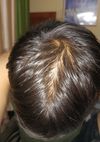
The user had high DHT levels after 8 months on dutasteride, questioning the drug's authenticity. They got dutasteride from a legitimate source and will update on progress.
Mixing tretinoin with minoxidil for hair loss treatment. Some users prefer separate application or professional compounding due to potential solubility issues.
The conversation is about a user's hair regrowth after using only finasteride for 5 months, with some users expressing congratulations and curiosity about the lack of minoxidil use and potential side effects.
The user has been using pyrilutamide 0.5% for over 7 weeks, alongside dutasteride, and noticed some hair improvement, particularly at the temples. They plan to continue and possibly try a 1% solution, with no shedding or side effects reported.
A peptide-based hair loss treatment, PP405, reportedly increased hair density by 62% in 90 days, but these claims are unverified and met with skepticism. Users compared PP405 to Minoxidil and Finasteride, expressing doubts about its effectiveness without more evidence.
The user shared progress on hair regrowth after using 5% Minoxidil twice daily and microneedling 0.5mm a few times a week for 47 days. Other users noted visible improvement and regrowth of baby hair in the frontal temporal region.
The conversation is about a hair loss treatment routine that includes using a 1.5mm dermaroller once a week, applying 5% Minoxidil twice daily, taking 1mg Finasteride, and Biotin supplements. It also includes warnings about the potential risks of applying Minoxidil immediately after dermarolling and instructions for cleaning the dermaroller.
The user has severe diffuse thinning on the scalp and is using finasteride, topical minoxidil, dermarolling, tretinoin, and Nizoral without satisfactory results. They are considering a hair transplant but are concerned about the cost and the number of grafts needed.
The conversation discusses a prescribed hair loss treatment combining 12.5% minoxidil with tretinoin, azelaic acid, and topical finasteride, costing $55 a month. One user criticizes the packaging for degrading tretinoin, another suggests it's an overpriced option and recommends topical dutasteride as an alternative due to its higher molecular weight and lower systemic absorption.
The user is concerned about the lack of improvement in hair density 12 months after a hair transplant on the crown, despite using minoxidil. The doctor suggests the native hair is thinning, but the user disagrees.
A user's 3-month progress with a combination of finasteride, minoxidil and dermarolling for hair loss; other users shared their experiences and advice.
The conversation discusses a 24-year-old Korean man's progress with hair loss treatments over 8-9 months, with specific treatments not mentioned due to redacted information. Users are commenting on the effectiveness and inquiring if Asians have better results with hair loss treatments.
The user is experiencing gradual hair growth using 5% minoxidil, 0.01% finasteride, vitamins, capixyl serum, niacin, and weekly microneedling, with plans to increase finasteride dosage. Despite some side effects, they remain optimistic about hair transplant results, focusing on the crown and temples.
RU58841 is discussed as a hair loss treatment, with users considering lower doses like 2.5% to reduce costs. Some users suggest that if already blocking DHT, lower doses might still be effective unless there's high sensitivity to DHT.
The user wants to reduce their dose of topical finasteride to 0.1-0.2mg and is considering mixing 0.2ml of their current finasteride + minoxidil serum with 0.8ml of a minoxidil-only serum for better scalp coverage. They are asking for advice on whether this method is effective or if there's a better way to dilute the finasteride solution.
A user experienced persistent headaches after a stressful week and questioned if 0.25mg finasteride could be the cause, despite using minoxidil for two years. Another user suggested stress is likely the main factor, not the medication, and advised consulting a healthcare provider if headaches persist.
The user experienced anxiety and a rapid heartbeat after restarting finasteride at 0.25-0.3 mg, considering whether to continue or stop. They also use minoxidil but did not have these side effects with minoxidil alone.
Sugary beverages increase the risk of pattern hair loss in men by 57%, and type 2 diabetes is linked to female pattern hair loss. Reducing sugar intake and using treatments like finasteride and minoxidil may help manage hair loss.
A 25-year-old male has been treating hair loss for six months using 5% minoxidil once daily, 0.02% DIY topical finasteride once daily, and microneedling every two weeks. He reports increased hair density and some regrowth, particularly vellus hairs, and plans to continue the regimen, possibly adding oral finasteride in the future.
The conversation discusses hair loss treatments, with the original poster considering joining a clinical trial for setipiprant after experiencing side effects from finasteride and disinterest in minoxidil. Some users express skepticism about setipiprant's effectiveness, while others encourage participation in the trial for potential benefits.
The user is considering a hair transplant to increase hair density after using finasteride and minoxidil for two years. They prefer a natural hairline and are unsure if a transplant is suitable for overall thinning.
A person had a successful hair transplant in Turkey with 3200 grafts using FUE and DHI techniques, and is satisfied with the results after 9 months. They have been using finasteride for 7 years to maintain hair health.
Mixing RU58841 with cetosomal minoxidil is discussed due to scalp irritation from ethanol PG vehicles. A mixture of the two turned bright pink when left to dry.
Dr. Tsuji and Riken announced a hair cloning cure with a 98.9% success rate, expected to be released in 10 years. Users expressed hope and skepticism about the affordability and timeline of the treatment.
The user is considering a second hair transplant or scalp micropigmentation to address thinning in the crown area and hide scars from a previous transplant. They have been using finasteride and minoxidil for three years but are concerned about the appearance of their donor area and the effectiveness of scalp micropigmentation.
A user is seeking advice on a new topical hair loss treatment containing Minoxidil 3%, Finasteride 0.3%, Progesterone 1%, Hydrocortisone butyrate 0.1%, and Ketoconazole 0.5%. They are concerned about the systemic absorption of Finasteride and plan to do blood tests and a spermiogram before starting.
PP405 shows promise in hair regrowth, with 31% of participants experiencing over 20% increase in hair density after 8 weeks. Phase 3 trials are expected in 2026, with potential market availability by 2029-2031.
A 49-year-old male switched from Finasteride to Dutasteride 2.5 mg daily, along with oral Minoxidil 5 mg, resulting in significant hair regrowth and stopping hair loss after six months. Despite initial side effects like adrenaline spikes and urinary issues, the user is satisfied with the results and plans to continue the treatment.
The conversation is about a user considering joining a clinical study for Clascoterone (Breezula) after experiencing no results with topical finasteride and minoxidil, and side effects from oral finasteride. The user is seeking advice on clinical study participation and experiences.
A 30-year-old man is considering quitting Finasteride due to sexual side effects, including reduced libido and difficulty reaching orgasm, despite its effectiveness in treating hair loss. He is exploring other factors like relationship issues and potential low testosterone, and is considering getting blood work done.