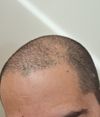
The conversation discusses an 8.5-month progress of using Minoxidil, Finasteride, and RU58841 for hair loss. People are complimenting the user on the significant improvement in hair thickness.
A user shared their 90-day progress using a topical gel with 0.25% finasteride and 5% minoxidil, along with derma stamping and Ketoconazole shampoo, noting improved hair density. Another user suggested considering a hair transplant as a priority.
Diluting topical finasteride with coconut oil is discussed, with a suggestion to use topical minoxidil for a combined treatment. OP plans to try the minoxidil combination.
A 29-year-old male has been using topical finasteride (0.1%) and minoxidil (5%) for 2.5 months and noticed thicker, darker hair. He is considering whether to switch treatments, as the current regimen seems effective.
The conversation discusses interest in participating in PP405 trials for hair loss treatment, with users expressing uncertainty about eligibility due to location. Participants are eager for updates and willing to pay for shipping if trials are limited to America.
The user is using a 5% minoxidil solution with low propylene glycol and 1 mg of oral finasteride daily but is still experiencing hair shedding, especially at the temples and front. They are concerned about absorption issues and considering adding tretinoin to improve results.
A 27-year-old shared progress 6 months after a hair transplant of 4500 grafts, using finasteride and minoxidil. The procedure was done at Vera Clinic in Istanbul, costing 3000 Euros, and the user is pleased with the results.
The conversation discusses the effectiveness of 5% versus 10% minoxidil, especially when combined with tretinoin, for hair loss treatment. The user is also using oral minoxidil, derma stamping, and has previously used finasteride, but is unsure of the results.
A bodybuilder's hair transplant appears unnatural with a straight hairline and low density, possibly worsened by not using finasteride. The Turkish clinic is criticized for poor design, and the transplant may have been free for promotion.
The conversation discusses two hair loss treatments: Minoxidil 5% with Azelaic Acid 1.5% and Dutasteride 0.05% topical foam, and Finasteride 0.1% with Minoxidil 5% topical foam. Users express uncertainty about the effectiveness of topical Dutasteride, while topical Finasteride is generally considered effective.
Lichen Planopilaris (LPP) is an autoimmune condition causing permanent hair loss and fibrosis, often misdiagnosed. Treatments include pioglitazone, topical corticosteroids, anti-inflammatory medication, and Jak inhibitors.
The user is considering using dutasteride or finasteride for hair loss and has recurrent folliculitis. Another user suggests treating the folliculitis and notes diffuse thinning.
The user is considering reducing RU58841 dosage from 100mg to 17.5mg for long-term safety due to brain fog issues from finasteride. They apply RU58841 only to the front of the scalp where thinning occurs.
A 51-year-old man uses 1mg oral finasteride daily, 5% topical minoxidil twice daily, dermarolling, and Nizoral twice a week for hair regrowth. He shows significant progress after two months and is happy with the improvement.
A user's progress with treating their hair loss, which consists of using Dutasteride, RU58841, Stemoxydine and Tretinoin 0.05% over the past three months.
User shared 3-week progress using Pyrilutamide once a day for hair loss. Another user shared their 3-month progress with 0.25% concentration Pyrilutamide, experiencing rollback of 4 years in 3 months.
The conversation discusses the potential offering of oral finasteride/dutasteride and oral minoxidil treatments for hair loss, with feedback on pricing and preferences for separate or combined pills. Users express concerns about high costs, preferring affordable options, and some prefer oral over sublingual minoxidil for ease of use.
A 50-year-old man shared his 3-month hair regrowth progress using a regimen of Nutrafol, Minoxidil/Dutasteride pills and topical solution, dermastamping, and Nizoral shampoo. He noticed significant improvement and received positive comments, despite some increased body hair growth.
The user has been using 0.5mg Dutasteride daily and topical Minoxidil but is experiencing worsening hair density and is considering switching to Finasteride, increasing the Dutasteride dose, or adding RU58841. They are also considering microneedling and have concerns about the effectiveness of generic Dutasteride compared to branded versions.
The user started finasteride and minoxidil but is concerned about potential hair dependency on minoxidil and is considering using only finasteride. They are unsure if they are experiencing hair loss or just have a mature hairline.
A new potential hair loss treatment called HMI-115, and the cost of this treatment which may be expensive due to production costs but could be competitive with other treatments such as hair transplants.
The user experienced significant hair regrowth using KX-826 (pyrilutamide) 0.9% over one year, despite initial shedding phases. They reported no side effects and have stabilized hair loss with consistent use.
Dutasteride at 2.5 mg/day reduces scalp DHT by 80%, while 0.5 mg/day reduces it by 50%, with minimal difference in side effects. Users often combine it with finasteride, RU58841, and minoxidil for better hair loss management, though side effects like dry skin and pimples are noted.
A user's personal hair loss progress with treatments, including finasteride (1.25mg), minoxidil, needling, and Nizoral; and advice from other users on how to perform the needling correctly.
Mixing topical solutions like Morr F 10% (Minoxidil) and L'Oreal Seryoxyl (Stemoxydine) before application may not reduce their effectiveness. The goal is to apply treatments all at once instead of multiple times a day.
A young female diagnosed with Lichen planopilaris (LPP) experienced years of misdiagnosis and ineffective treatments, including a hair transplant and other procedures. She is considering litigation due to the misdiagnosis and has learned that LPP is chronic, hair loss can be stopped with ongoing medication, but lost hair cannot regrow.
User shared progress pictures after 2 months of using 5% topical minoxidil, microneedling, and recently adding 0.01% topical finasteride. The minoxidil solution also contains caffeine, azelaic acid, retinol, adenosine, biotin, and niacinamide.
Pp405 is discussed as a potential hair loss treatment, with humorous suggestions about rectal administration for increased effectiveness. Users joke about unconventional methods and express willingness to try anything for hair regrowth.
The conversation discusses anticipation for CB-03-01, a potential new hair loss treatment that may be more effective and have a cleaner safety profile than finasteride. Users are hopeful but cautious, discussing current treatments like minoxidil, nizoral, and dermarolling, and the possibility of combining them with CB-03-01 for better results.
A user shared progress photos showing hair regrowth using 5% minoxidil foam, microneedling, and 2% ketoconazole. They also started taking multivitamins and are considering adding finasteride.
