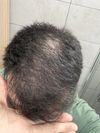
Efforts to find a Canadian dermatologist in the US to prescribe H&W's topical finasteride for hair loss. The user is willing to fund a crowd-share effort to identify prospects.
The conversation humorously discusses using anal administration of Dutasteride as a novel method for treating hair loss, suggesting it could target DHT production more effectively. It includes satirical comments about the method's potential effects and absurd outcomes.
Sugary beverages increase the risk of pattern hair loss in men by 57%, and type 2 diabetes is linked to female pattern hair loss. Reducing sugar intake and using treatments like finasteride and minoxidil may help manage hair loss.
The user has been using Pyrilutamide (Pyril) for hair loss for a month alongside finasteride/dutasteride since 2021 but hasn't seen results. They are considering switching to RU58841 due to its many success stories, despite being skeptical about the legitimacy and testing of Pyrilutamide.
A user experimenting with quitting using Minoxidil and replacing it with Finasteride and Stemoxydine in order to keep hair loss gains, but other users warning the original poster of potential shedding. Another user suggested phasing out Minoxidil and replacing it with Finasteride and microneedling instead.
Finasteride can cause dry eyes and vision issues due to its impact on the meibomian glands. Users have mixed experiences, with some experiencing eye discomfort and others having no side effects.
A user is trying a DIY method of mixing crushed finasteride tablets with minoxidil for hair loss treatment, seeking feedback on its effectiveness. Some users express skepticism about the absorption of finasteride through the skin, while others mention anecdotal success.
The conversation discusses a hair loss treatment regimen including 5% minoxidil, 2.5mg oral minoxidil, 1mg finasteride, tretinoin cream, derma stamping, derma rolling, scalp massagers, and a mix of vitamins and minerals. The user also considers using maca and adapalene, with advice on potential scalp irritation and the effectiveness of these treatments.
Switching from finasteride to dutasteride for hair loss, with some users reporting better results and less hair shedding on dutasteride. Others experienced noticeable prevention but not significant gains, and some faced issues like scalp itching.
A new serum claims to enhance hair regrowth by amplifying oxygen delivery, improving the effectiveness of treatments like exosomes and peptides. Users are skeptical, questioning its efficacy compared to established treatments like Minoxidil and Finasteride.
The user has been on a comprehensive hair loss treatment regimen for four years, including Dutasteride, topical and oral Minoxidil, and various other treatments, but has seen little progress and is considering a hair transplant. Despite trying multiple therapies, including PRP and exosome injections, the user is still experiencing hair thinning and is hesitant about trying peptides due to potential cancer risks.
An 18-year-old experiencing balding since age 15 is seeking alternatives to minoxidil for hair regrowth, currently using rosemary oil and a 0.5mm derma roller. They are unsure about the proper use of these treatments.
A 35-year-old is seeking advice on hair loss treatments, considering minoxidil, finasteride, and possibly a hair transplant in Turkey. They have previously tried microneedling for a year.
A 29-year-old is experiencing diffuse hair loss and has been using minoxidil without success. They are now trying a routine with oral minoxidil, topical finasteride, and dermarolling, but are unsure about the effectiveness and legitimacy of the products.
PP405 is a new hair loss treatment targeting dormant hair follicles, with ongoing trials. Some users consider stopping finasteride and minoxidil to join trials, while others doubt its effectiveness.
Exosomes from Musely are being discussed as a topical hair loss treatment containing ingredients like latanoprost, caffeine, cetirizine, melatonin, vitamin D3, vitamin E, and biotin. Users are curious about its effectiveness and potential side effects, noting it may take 4-6 months to see results.
The conversation discusses using a 5% Topical Minoxidil with 0.01% Tretinoin serum for hair loss, noting its lack of propylene glycol to avoid itchiness and greasiness. Users share experiences with different Minoxidil formulations and discuss the effectiveness and stability of Tretinoin in various forms.
Topical dutasteride is considered for hair loss, but concerns about systemic absorption and side effects like reduced libido are common. Users have mixed results, with some preferring oral finasteride or dutasteride despite side effects, while others find topical treatments beneficial but challenging.
Stemson Therapeutics has shut down, disappointing those seeking a hair loss cure. Current treatments like minoxidil, finasteride, and dutasteride are discussed, with some users experiencing side effects and exploring alternatives like PP405.
Topical finasteride is less popular due to inconvenience, cost, and availability, while oral finasteride is favored for ease and safety. Some users experience side effects with topical use, but find it effective with minoxidil, though opinions on its efficacy vary.
The regimen for hair loss includes topical finasteride, clascoterone, tretinoin, minoxidil, oral saw palmetto, beta-sitosterol, vitamin D, microneedling, and anti-fungal shampoo. Expected benefits are increased hair growth and density, with considerations for potential skin irritation and interactions between treatments.
A new hair loss treatment, KX-826, is being discussed as a stronger and safer alternative to RU58841 and finasteride. Opinions are mixed, with some users skeptical about its effectiveness and others considering it as part of their regimen.
A user in Turkey was advised by a dermatologist to avoid finasteride due to its hormonal effects and was prescribed minoxidil, shampoo, and vitamins instead. The user is considering seeking another doctor's opinion or buying finasteride directly from a pharmacy.
A user started using RU58841 a month ago after using finasteride and minoxidil for nearly three years, hoping for hair regrowth at the temples. Other users suggest vitamin B supplements and microneedling to improve hair thickness, and one mentions the possibility of a hair transplant for the temples.
The conversation discusses the uncertainty of the legitimacy of minoxidil products in the EU market and mentions baricitinib as an approved, but expensive alternative. A method to test for real minoxidil involves mixing it with bleach to see if it turns orange or brown.
The user stopped using topical minoxidil and finasteride after 2.5 months and switched to oral finasteride, 1mg daily, and did microneedling 1.5mm seven times. They experienced occasional sleep issues and watery semen as side effects, which stopped after discontinuing the topical treatment.
A user shared their 4-month progress pictures after using Minoxidil, finasteride, micro-needling, Nizoral, and scalp massage for hair loss. They're now switching from topical to oral finasteride to maintain the results.
User experienced good results with topical finasteride, noting reduced DHT and increased testosterone. They plan to revert to a lower dosage after observing slight libido reduction.
The conversation discusses the delay in the release of a new hair loss treatment, Pyrilutamide, and speculates on potential safety concerns as a reason for the delay. It also mentions GT20029 as another future treatment option, with a release at least five years away, and touches on the avoidance of research chemicals due to uncertainty about their authenticity.
The user "cooler1082" shared their progress pictures for hair loss after using topical finasteride, minoxidil, latanoprost, and biotin. Other users commented on the positive results and asked about the specific dosages used. One user mentioned that latanoprost is an eye medication that has shown some potential for treating hair loss.