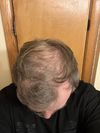
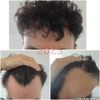
The conversation is about hair regrowth progress using finasteride and minoxidil. Users suggest continued use and patience for increased density and strength of hair.
The conversation discusses CRISPR-on & CRISPR-off as a potential cure for baldness, contrasting it with hair cloning and other treatments like Minoxidil, finasteride, and RU58841. It also mentions the potential of mRNA for gene expression control and the prioritization of gene editing for severe genetic conditions.
The user shared progress pictures after 4.5 months of using 0.5 mg finasteride and 2.5 mg minoxidil daily for hair loss, considering increasing the finasteride dose after 6 months. Some attribute the improvement to the hair transplant, while others inquire about changes in crown density.
A 28-year-old male with a family history of baldness is deciding whether to start finasteride now or wait for visible hair changes. He is considering starting finasteride immediately to proactively address potential hair loss.
The user convinced their trichologist to prescribe topical finasteride after using topical estradiol and progesterone for hair maintenance. They also discussed the potential impact of "nofap" on hair loss, noting that abstaining for about four months seemed to reduce shedding.
A user started taking finasteride due to increased hair shedding and sought advice on coping with the anxiety of starting the treatment. Responses included personal experiences with finasteride, minoxidil, and tips for integrating the medication into daily routines.
A 23-year-old plans to use Minoxidil for 4 months, then add Finasteride to assess their effectiveness for hair loss. They will track progress with photos and consider switching treatments if results are unsatisfactory.
The user experienced good hair regrowth using natural methods and mechanical stimulation but decided to add finasteride to their regimen for better results. They are optimistic about further regrowth and plan to update on the effects of finasteride, noting no significant side effects so far.
A 31-year-old male with androgenetic alopecia and seborrheic dermatitis is considering starting finasteride and minoxidil for hair loss, while also using ketoconazole and salicylic acid shampoos for scalp treatment. He is concerned about the timing of starting finasteride and potential side effects, and seeks advice on whether to prioritize scalp health or begin hair loss treatments simultaneously.
The conversation discusses Fevipiprant, an asthma drug that may block CRTH2 and potentially stop male pattern baldness (MPB) without inhibiting DHT. It also mentions the use of finasteride and dutasteride for hair loss.
A 19-year-old with NW2-2.5 hair loss is starting finasteride soon, considering low dosages of 0.25mg daily or 0.5mg 3-5 times a week. They are also using derma stamping, ketoconazole shampoo, ACV washes, and various oils to maintain hair quality and reduce scalp itch.
The user is seeking advice on improving their hair loss treatment regimen, considering changes to their topical solution, and is curious about others' daily routines and recommendations for medications and supplements. They are contemplating switching Tretinoin for Tazarotene, Latanoprost for Bimatoprost, and possibly adding Alfatradiol, Topical Melatonin, or a topical androgen receptor antagonist.
A 23-year-old with high estrogen levels is considering starting finasteride for hair loss and plans to use a low dose topical treatment while also seeking to lower estrogen levels. They will consult an endocrinologist for further guidance.
The user is considering using CB or clascoterone for hair loss, potentially as an alternative to RU. They're also contemplating asking a dermatologist for topical clascoterone cream to apply to their temple.
The conversation discusses concerns that Anagenic's version of GT20029 might not be as effective or safe as Kintor's, with comparisons to issues faced by pyrilutamide. The chemical structure of the drug has been published.
Dr. Bloxham's 9-month update on FUT scar revision with Verteporfin shows promising results. Excitement is high for FUE, which appears highly effective based on Dr. Barghouthi's findings.
The conversation discusses the completion of a Phase II trial recruitment for Breezula (CB-03-01), a potential treatment for androgenic alopecia. Specific treatments mentioned include Minoxidil, Finasteride, and RU58841.
The user has been using finasteride, dutasteride, and RU58841 for hair loss without success and feels extremely uncomfortable with their appearance, including being bald and short. They express deep unhappiness and social isolation. Suggestions from others include adopting stoicism, focusing on personal development, considering a hair system, improving fashion, working out, and seeking therapy for mental health.
A user discusses using Alpecin Caffeine Liquid for scalp health and considers dissolving finasteride tablets into it for a DIY topical treatment. They inquire about potential absorption issues with this method.
A new company is introducing a topical treatment combining Minoxidil, Finasteride, and Bimatoprost for hair loss. Users are also inquiring about updates on a minoxidil-enhancing shampoo from Applied Biology.
The user has been using topical finasteride since October without improvement and is considering adding a caffeine product with dimethylglycine. Another user suggests caffeine is more promising and advises consulting a dermatologist about the lack of progress with finasteride.
Three months into using Minoxidil, finasteride, dermarolling, tretinoin, and saw palmetto shampoo, the user is seeing baby hairs on their hairline and is hopeful they will thicken. Another user reports that their own baby hairs have been getting thicker and longer over time.
A user shared their 3.5-month progress using oral finasteride, topical minoxidil, biotin, and weekly 1.5mm derma rolling. Another user commented that the original poster's hairline has improved significantly.
Combining tretinoin with minoxidil may improve absorption by exfoliating the scalp, but results vary. Users suggest starting with low frequency to avoid irritation, and some recommend additional treatments like finasteride or microneedling.
A 25-year-old is using finasteride for hair loss and plans to start minoxidil and ketoconazole shampoo soon. They hope to see hair regrowth and will continue to shave their head while monitoring progress.
The user observed some regrowth and longer baby hairs after one month of using finasteride, despite experiencing increased shedding. They noted no side effects except for clear semen.
The conversation discusses the use of Finastopic, a carrier for finasteride solutions by Isdin, and compares it to a standard propylene glycol (PG) solution. The user was prescribed a 1% finasteride solution using Finastopic and has been using a self-compounded 0.025% topical finasteride with minoxidil.
A user experienced high estrogen levels after 10 months of taking 1mg oral finasteride but is happy with hair regrowth. They are considering switching to topical finasteride and are also taking DIM and Zinc supplements.