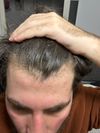
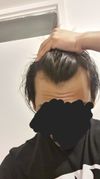
Vitamin C mixed with shampoo stopped shedding and promoted hair regrowth after 1.5 years. Both the person and their wife experienced significant hair loss reduction with this method.
The conversation discusses using T3 (triiodothyronine) as a topical treatment for hair growth, with some users noting it showed promising results in studies but lacked follow-up. Users express interest in trying T3 due to its potential effectiveness compared to Minoxidil.
The conversation is about someone who did not see results from using 5%, 10%, and 12.5% topical Minoxidil for hair loss and is inquiring if switching to oral Minoxidil helped others who had a similar experience. They are asking for the dosage that was effective for those who saw results with oral Minoxidil.
Glycine supplementation may increase 5-alpha reductase activity, potentially affecting hair loss. Users discuss its impact on hair fall and its role in the body.
A user discusses their hair loss journey, starting with 5% minoxidil and nizoral, and now using DualGen-15 Plus with 15% minoxidil and 0.1% finasteride. They also use biotin, pumpkin seed oil, Pura D'or Professional shampoo, and derma rolling, noting some shedding and side effects.
The user reversed male pattern baldness using a pro-thyroid diet, lifestyle changes, and scalp stimulation exercises, without Minoxidil or Finasteride. They reported reduced dandruff, itchiness, oiliness, and experienced hair regrowth and thickening over 15 months.
A new serum claims to enhance hair regrowth by amplifying oxygen delivery, improving the effectiveness of treatments like exosomes and peptides. Users are skeptical, questioning its efficacy compared to established treatments like Minoxidil and Finasteride.
After 6 months of adding topical finasteride to minoxidil, the user saw significant hair improvement, with noticeable results starting from the 5th month. The treatment included 5% minoxidil, 0.5 mg topical finasteride, and supplements like omega-3, minerals, and vitamins, with minimal side effects reported.
A user shared an 8-month hair loss treatment progress using daily saw palmetto and biotin capsules, weekly dermarolling, and a scalp lotion mix of castor, jojoba, and rosemary oils, avoiding finasteride and minoxidil due to side effects and cost. The user reported encouraging progress with slight hairline improvement and better crown area, attributing most success to dermarolling.
Kintor Pharma completed patient enrollment for a Phase II trial in China for GT20029, a potential new treatment for hair loss. Some believe GT20029 could replace finasteride if effective, while others discuss finasteride's limited efficacy and potential underreported side effects.
User discusses hair loss treatment progress using Dutasteride for 2 years, RU58841 for 5 months, and oral Minoxidil for 1 year. Some users share side effects and experiences with these treatments.
A new light therapy claims to reduce hair loss markers by 92% using a specific wavelength range. Users discuss the cost and effectiveness of devices, with some expressing skepticism and others considering alternative treatments like red light therapy and vitamin D exposure.
A user shared their experience of using finasteride for hair loss from ages 29 to 37, stopping due to side effects like low libido, and later starting testosterone therapy, which improved their well-being. The discussion includes various opinions on the effects of finasteride and testosterone on hair loss, libido, and overall health, with some users questioning the correlation between finasteride and low testosterone.
PP405 shows promise in activating dormant hair follicles and increasing hair counts but lacks detailed efficacy data compared to minoxidil and finasteride. Opinions are mixed, with some optimism and skepticism about its effectiveness.
KX-826 shows promising results for hair growth with fewer side effects, offering an alternative to finasteride and minoxidil. Users discuss combining it with minoxidil, dermarolling, and Nizoral for improved results.
A 52-year-old is switching from finasteride to dutasteride to address crown balding, despite concerns about potential side effects. They have used finasteride for nearly 30 years, had a minor hair transplant, and are considering further treatments if dutasteride doesn't improve their condition.
A user shared an extensive hair loss treatment regimen including dutasteride, minoxidil, tadalafil, RU58841, microneedling, and various topical and oral supplements. Responses varied, with some suggesting the regimen is excessive and others offering additional advice or expressing skepticism about its practicality and effectiveness.
A 23-year-old is using 2.5 mg dutasteride, 5 mg oral minoxidil, RU58841, a laser cap, and PRF injections for hair loss. They are hesitant about microneedling due to concerns about RU58841 absorption and are considering other treatments.
A user shared their experience with hair loss, initially using oral finasteride and minoxidil but experiencing side effects like low libido and ED. They switched to a topical finasteride and minoxidil combination, which improved their hair thickness with fewer side effects.
Clascoterone is a topical treatment for androgenetic alopecia, showing modest to moderate hair regrowth, and may be available by 2027-2028. It is considered safer than finasteride, with discussions on its effectiveness compared to RU58841 and pyrilutamide.
There is no imminent cure for hair loss, but treatments like Minoxidil, Finasteride, and new drugs such as KX-826, GT-20029, and PP405 are being explored. Current solutions focus on slowing hair loss and stimulating growth, with hopes for better options in the future.
A 24-year-old male experienced hair loss regression after 3.5 years on topical finasteride and minoxidil. He is considering switching to topical dutasteride or oral finasteride due to concerns about side effects and is seeking advice on the efficacy of these treatments.
Topical dutasteride 0.05% is more effective for hair growth than oral finasteride 1mg, with minimal DHT reduction. The formulation uses castor oil and MCTs for better absorption but is not widely available until 2028.
The user saw significant hair regrowth using topical minoxidil and finasteride, even on areas not directly treated. They used local Algerian products with 5% minoxidil and 0.1% finasteride and reported no side effects.
A 24-year-old male has been using 5% minoxidil for five years and recently added 0.025% topical finasteride to his routine. He noticed some improvement in his crown area but is considering stronger treatments like oral finasteride or dutasteride for better results, especially on the temples.
The user experienced significant hair regrowth using topical Minoxidil and Finasteride, along with Saw Palmetto and volumizing shampoo. They are considering a hair transplant in the future if needed.
A user is using oral finasteride, oral dutasteride, and drinking topical minoxidil for hair loss, despite health warnings. Switching from finasteride to dutasteride did not improve hair density.
Significant hair regrowth was achieved after 2.5 years of taking 1 mg finasteride daily, without using minoxidil or microneedling. Minor side effects included a slightly thinner beard and longer time to finish during sex.
Finasteride and minoxidil help maintain hair and slightly improve hairlines but are less effective at regrowing hair in bald areas, often needing a hair transplant for full restoration. Many users report no side effects and wish they had started treatment earlier.