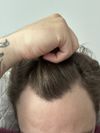
This post and conversation are about the molecular mechanisms triggered by microneedling, specifically its effects on inflammation, tissue remodeling, epithelial proliferation, differentiation, and collagen synthesis. The discussion highlights the potential benefits of microneedling for hair loss treatment.
OrganTech is working on regenerating hair and teeth, with positive results in mice, but skepticism remains about progress for humans. Users express frustration over the lack of advancements in human hair loss treatments, despite ongoing research and trials.
Capilia Longa and Scandinavian Biolabs are discussed, with skepticism about their effectiveness and value. The conversation suggests avoiding these products due to high cost and perceived lack of results.
The conversation discusses various theories of hair loss, including DHT sensitivity and genetic factors, with the user willing to use themselves for research due to having a hair loss gene but different hair loss patterns compared to their brothers. Specific treatments were not mentioned in the provided text.
Topical diazoxide may be a promising hair regrowth treatment, especially for those who don't respond to minoxidil, as it activates potassium channels without needing sulfation. It appears safe for topical use, avoiding systemic effects seen in oral use.
The conversation is about a user seeking advice on adding GHK-Cu to RU58841 for hair loss treatment, while already using oral minoxidil, dutasteride, ketoconazole shampoo, and considering LLLT. They are unsure about the concentration and carrier solution for GHK-Cu.
PP405 shows promise in activating dormant hair follicles and increasing hair counts but lacks detailed efficacy data compared to minoxidil and finasteride. Opinions are mixed, with some optimism and skepticism about its effectiveness.
The user is experiencing improvement in hair density using a topical lotion containing minoxidil, finasteride, ketoconazole, and other ingredients. They are hopeful for further progress in the coming months.
LLLT (low-level laser therapy) is as effective or better than traditional minoxidil treatment for hair growth, with fewer side effects and improved long-term compliance due to milder adverse effects. Studies show LLLT increases hair density more than minoxidil, but drawbacks include the initial cost and the need for long-term use to see results.
A new stem cell method for culturing hair follicles is being developed as an alternative to Minoxidil, finasteride, and RU58841. There are concerns about its cost and accessibility despite plans for commercialization.
The conversation confirms that to make a 5% RU58841 solution, 1.5 grams should be added to 30 mL of KB Solution. The discussion involves calculating the correct dosage for hair loss treatment.
Hair loss discussion includes treatments Minoxidil, Finasteride, and RU58841. Prolactin's role in immune system's antitumor activity raises safety concerns for HMI-115.
A user lost 60% hair density in 4 months, started finasteride and microneedling, and has greasy, flaky, yellowish scalp. They are awaiting biopsy results, and another user suggested trying ketoconazole shampoo.
Rhamnose may promote hair growth and pigmentation, suggesting it as a potential hair loss treatment. The conversation discusses its potential alongside known treatments like Minoxidil, finasteride, and RU58841.
The conversation discusses why CB-03-01, a potential hair loss treatment, isn't widely discussed despite evidence of its effectiveness and safety. Some users mention other treatments like melatonin, procianidin b2, and RU58841, debating their effectiveness and safety.
A user is discussing making a DIY topical finasteride solution using ingredients like water, alcohol, propylene glycol, ethanol, and glycerin, and is concerned about the stability of the mixture. Other users suggest that the solution will work and discuss the importance of propylene glycol for drug dissolution and factors like temperature and light affecting finasteride stability.
A user reported that taking iron polymaltose significantly reduced their hair loss. They also mentioned hair loss due to DHT and asked if hair loss from iron deficiency is permanent or temporary.
GHK-Cu is discussed for its potential anti-aging and healing properties, with some users considering its effects on hair growth. One user mentions using Folligen Spray and topical finasteride, noting improved healing but uncertain hair growth results.
A user's progress with their hair loss treatment, which includes finasteride and nizoral, as well as the potential for using minoxidil; other users providing advice based on their own experiences; and others discussing how buzz cuts can make diffuse thinning look worse than it is.
OP shared a 7-year hair density progress update using Minoxidil, Finasteride, and dermarolling. Creatine use was discussed, with mixed opinions on its impact on hair loss.
A 25-year-old male experiencing diffuse thinning is advised to address high TSH levels and low iron, and consider treatments like finasteride. Weight loss and improved diet are also suggested to potentially help with hair health.
The conversation discusses the potential use of thermal paper receipts, which contain estrogen, as a treatment for hair loss. Participants humorously debate its effectiveness compared to established treatments like Minoxidil and finasteride.
A user is exploring Kadeso, a product with Capilia Longa™ for hair regrowth, and seeks real-world experiences, comparing it to Minoxidil and Finasteride. They are interested in results, timeframe, side effects, and the credibility of the product's founder.
The conversation discusses hair loss treatments, focusing on iron supplements for low ferritin levels and considering finasteride and minoxidil if thinning persists. There is debate over starting with finasteride versus dutasteride, with some users advocating for dutasteride due to its potency, while others caution about potential side effects.
A user shared their initial experiences with The Ordinary hair density serum, which contains Redensyl (taxifolin). They observed increased hair volume but also developed pimples, likely due to the serum stimulating sebaceous glands.
User experienced hair kinking after starting minoxidil, despite being on finasteride for two years. Another user confirmed similar issues and suggested switching brands due to propylene glycol in minoxidil.
PP405 shows promise in stimulating new terminal hair growth by activating dormant follicles, with no systemic adverse effects observed in a short-term trial. However, long-term efficacy remains unproven, and further trials are needed to confirm its potential as a hair loss treatment.