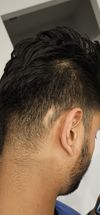
The conversation discusses the use of 12.5mg cyproterone every other day for hair loss. There's a concern about reducing testosterone potentially increasing DHT and negatively affecting hair.
8 months post hair transplant, OP experiences asymmetrical shedding despite using finasteride and starting minoxidil. The doctor suggests it might correct itself or be due to transplant trauma, recommending a wait-and-see approach.
The conversation is about using a topical solution of latanoprost and minoxidil for hair loss, with concerns about side effects due to a history of gynecomastia. The user is considering this treatment instead of finasteride and is seeking experiences from others.
PTD-DBM therapy for hair loss is being developed by Dr. Kang-Yell Choi, with human testing planned in South Korea. Some clinics in the U.S. offer PTD-DBM/valproic acid therapy, but it hasn't completed trials yet.
The conversation is about a person's hair loss treatment routine, which includes Metformin, sleep in darkness, avoiding EMF at night, Nizoral, Dermarolling, Castor oil, and Collagen. They have observed less hair shedding and increased hair volume.
The user stopped oral treatments due to side effects and switched to a regimen of topical minoxidil, tretinoin, azelaic acid, and dermaneedling, with recent addition of topical finasteride. They are questioning the long-term effectiveness of non-hormonal methods and considering hair transplantation.
A 27-year-old male with ADHD is experiencing hair thinning and is starting a treatment with topical finasteride (0.025%) and minoxidil (5%). He is addressing high prolactin levels and low vitamin D, while managing side effects from ADHD medication.
A 36-year-old man with androgenetic alopecia suspects copper and zinc deficiencies may be accelerating hair loss and is supplementing copper to address this. He is also monitoring blood sugar levels due to previous prediabetes concerns and plans to test for insulin resistance.
A user has been using dutasteride, RU58841, minoxidil, and ketoconazole for 2 years with no progress and worsening hair recession. They seek advice on how to proceed.
A user shared their positive experience with the telehealth service DocBright, highlighting its affordability and effectiveness in prescribing finasteride, oral minoxidil, and ketoconazole. They noted the service's unique ability to provide a prescription at age 17 but criticized the unprofessional communication with the dermatologist.
The user shared their 5-year hair recovery journey using finasteride, RU58841, dutasteride, minoxidil, and microneedling, noting mixed progress but overall improvement. They regret not starting treatment earlier and recently received positive health feedback from their doctor.
Latanoprost for hair loss is available in Canada at Ford's Family Pharmacy in New Brunswick, with up to 0.03% concentration, six times stronger than glaucoma medication Xalatan.
A 17-year-old is using Finasteride and Minoxidil for hair loss, experiencing hair shedding and cystic acne. They are considering Dutasteride for acne but are concerned about potential side effects on genital development.
Microneedling can cause sneezing and eye tearing due to nerve stimulation, particularly near the temples and forehead. Some users find it lessens over time, while others prefer using finasteride and minoxidil for hair growth.
A 30-year-old female with PCOS and male pattern baldness is frustrated with her endocrinologist's recommendation of only Spironolactone and minoxidil, feeling that dutasteride, finasteride, and progesterone would be more effective. Other users suggest various online sources for treatments, warn against self-medicating due to potential risks, and recommend seeking a specialized endocrinologist or considering additional treatments like Inositol, Berberine, and dermaneedling.
The conversation discusses using minoxidil with retinol for hair loss treatment. Users share their experiences and opinions on the effectiveness of this combination.
The conversation discusses GT20029 as a potential cure for hair loss and includes information on specific treatments used. Minoxidil, finasteride, and RU58841 are mentioned as related treatments.
Ketoconazole is discussed as a treatment for hair loss, with mixed reviews on its effectiveness and side effects. Some users find it helpful for scalp conditions, while others report it makes hair feel dry and doesn't aid regrowth.
User asked dermatologist for finasteride, received latanoprost and diprogenta cream instead. Others suggest latanoprost is expensive and not better than minoxidil, recommend trying another doctor for finasteride.
The user has been using finasteride for over two years with mixed results and is considering starting dutasteride and oral minoxidil, though both are hard to obtain. They are also contemplating a hair transplant in the future due to diffuse thinning.
A user did not respond to finasteride, dutasteride, and oral minoxidil for hair loss after four years of treatment and is considering scalp micropigmentation (SMP). Other users suggest the hair loss pattern may indicate alopecia areata and recommend seeing a dermatologist.
The conversation is about disappointment with pyrilutamide's performance as a hair loss treatment, with some users expressing interest in other treatments like Verteporfin, GT20029, and RU58841, while others suggest sticking with established treatments like finasteride or dutasteride.
New hair loss treatments PP405 and VDPHL01 are discussed with skepticism and hope, alongside existing treatments like minoxidil and finasteride. Users express frustration over limited progress since the 1980s but remain cautiously optimistic.
A 26-year-old male is unhappy with his current hair loss routine, which includes microneedling, ketoconazole shampoo, and a topical formula with Minoxidil, Finasteride, and other ingredients. He struggles with consistency due to ADHD and is considering switching to oral medication for simplicity, but is concerned about side effects and effectiveness.
The user had been using Minoxidil and Dutasteride with micro-needling but experienced hair loss after switching Minoxidil brands. Their doctor prescribed oral Minoxidil and Tretinoin, but the pharmacist suggested isotretinoin might be a more cost-effective alternative.
The user has been taking 1mg finasteride daily for a year with no improvement in hair loss and reports low cortisol levels, sleep issues, and anxiety changes. The conversation includes discussions on the potential effects of finasteride on cortisol and neurosteroids, with suggestions to consult a doctor and consider other factors.
Clascoterone (CB) shows an excellent safety profile with no serious side effects, but its effectiveness may decline after six months, making it more suitable as an adjunct treatment with finasteride and minoxidil rather than a standalone solution. Some argue it could be better than finasteride due to its protection against testosterone, but its long-term efficacy remains debated.
Finasteride can cause sexual side effects, and reducing porn and masturbation may help improve sexual function. Some users experience persistent issues even after stopping finasteride.
The conversation is about a user's one-year hair loss treatment using dutasteride, oral and topical minoxidil, ketoconazole, tretinoin, and PRP. Users discuss treatment effectiveness, potential issues with diffuse thinning, and sourcing affordable treatments.
A 25-year-old is experiencing chronic telogen effluvium (TE) and androgenetic alopecia (AGA) after surgery, using finasteride, red light therapy, and supplements, and considering oral minoxidil despite heart concerns. They are unsure whether to start minoxidil before or after an upcoming surgery, which may trigger another hair shed.