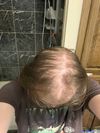
The conversation is about someone seeking information on long-term users of CB-03-01 for hair loss, having experienced negative side effects from finasteride and facing rapid hair thinning.
The user is experiencing low libido and mood swings after starting a low dose of topical finasteride. They are considering further blood tests to investigate low testosterone levels and other hormonal factors.
Finasteride and creatine are discussed for hair loss, with mixed opinions on creatine's impact. Some users report no hair loss with creatine, while others experience shedding, but finasteride is generally seen as effective.
A 19-year-old experienced significantly low testosterone levels after one month of taking finasteride. Suggestions included checking test units, retesting, and exploring other potential causes.
A 20-year-old male is unsure how to interpret his bloodwork results and whether he should take finasteride for hair loss. His bloodwork shows borderline high levels of albumin and testosterone, and high progesterone, but normal levels of other hormones.
A user is considering using finasteride and minoxidil to address hair loss, particularly at the temples and crown. Responses include encouragement, humor, and additional suggestions like using a derma roller.
PP405 shows potential for hair growth, with 31% of advanced balding men experiencing over 20% increase in hair density in 8 weeks. However, skepticism persists due to selective data presentation and lack of long-term results, with comparisons to treatments like minoxidil and finasteride.
Volunteers using finasteride and minoxidil are needed to test if intense calf raises increase hair shedding. The goal is to see if overexertion of leg muscles affects hair loss.
A user shared that while finasteride improved their hair, it didn't solve all their insecurities, suggesting that self-acceptance is key. Others in the conversation expressed varying opinions, with some feeling that finasteride significantly boosted their confidence and quality of life, while others acknowledged it as a solution to hair loss but not a cure-all for other personal issues.
The conversation is about a user who experienced significant hair regrowth after using finasteride consistently for five years and recently added a daily minoxidil pill. The user reported no significant side effects and is considering shaving their head again to assess hair density.
DHT is not the only cause of male pattern hair loss; genetic sensitivity, inflammation, and fibrosis also contribute. GHK-Cu, a copper peptide, is being explored as an alternative treatment to finasteride and minoxidil, showing potential in improving follicle health.
The user experienced side effects from ecklonia cava similar to those reported with finasteride, including depression, brain fog, anxiety, and testicular pain. Despite these issues, the user is still considering using topical finasteride in the future.
A 21-year-old experiencing hair loss and depression is planning to start finasteride treatment and is asking for others' experiences. Another user responds positively, stating that finasteride has helped alleviate their depression caused by hair loss.
The conversation discusses using a combination of finasteride, spironolactone, minoxidil, retinol, azelaic acid, and caffeine for hair loss treatment. The user inquires about the limitations of these drugs and whether tretinoin would be more effective than retinol.
User "flcv" shares their 3-year experience with finasteride for hair loss, stating no side effects and no change in hair thickness despite shedding cycles. They advise fellow fin users to trust the process and not worry about shedding.
A 25-year-old male is concerned about his blood test results, particularly the low percentage of free testosterone, and is questioning whether starting finasteride for hair loss might worsen this issue. He also notes a slight vitamin D deficiency and lack of sleep before the test.
The user has been using dutasteride for 5 months and recently added finasteride, RU58841, and minoxidil, but is still experiencing significant hair shedding. Despite concerns, other users think the user's hair looks good and suggest continuing with finasteride.
A user shared a positive experience with finasteride, using 1mg daily and 2% ketoconazole shampoo for hair loss prevention, maintaining hairline and density for three years. They also use a moisturizing conditioner, vitamins, and scalp massages for general hair health.
A 21-year-old male experiencing hair thinning started using Minoxidil, which stopped his shedding and led to the growth of vellus hairs on his temples. He is considering whether to add finasteride to his routine, which currently includes Minoxidil, derma rolling, ketoconazole shampoo, vitamin D3, zinc, and a rosemary and fenugreek lotion.
The user experienced increased shedding and an itchy scalp after switching from Ascend to Aurobindo finasteride. They are considering switching to dutasteride and are concerned about elevated estrogen levels and the effectiveness of adding minoxidil later.
The conversation discusses creating a customized minoxidil formulation with tretinoin, azelaic acid, and caffeine, but there are concerns about foam stabilization due to acidity. The user seeks advice on the best formulation for effective results.
A dermatologist recommended PRP (Platelet Rich Plasma) and GFC (Growth Factor Concentrate) for pattern baldness, but online sources suggest they may not be effective. The user is seeking opinions on these treatments.
User experienced hair growth with finasteride and minoxidil, but after using tretinoin, faced aggressive thinning and hair loss. They plan to stop tretinoin for two months to see if the problem improves.
A 19-year-old is experiencing crown thinning after three months on finasteride and minoxidil, hoping it's just a shedding phase. They also use a dermaroller weekly and seek hair regrowth and stabilization.
A user shared their five-year experience with finasteride for hair loss, noting positive results and no side effects. The discussion included debates on potential side effects like erectile dysfunction and the treatment's effectiveness.
A user's positive experience with finasteride for hair loss treatment, and another user's experience with minoxidil. They discuss the potential side effects of finasteride and the success they have had in regrowing baby hairs after several months of use.
Amplifica is testing a compound called AMP-303 for hair loss, but it's not Scube3 or osteopontin. The timing for the results from the clinical trial is unknown.
The post discusses the completion of the HMI-115 Australian Phase 1 Trial for hair loss treatment. The user speculates about the potential early release of the trial results.
A user shared his experience of having two healthy children while continuously using finasteride (Fin) for hair loss, challenging fears about its potential impact on fetal development. The discussion that followed included various perspectives, with some users sharing similar experiences, others expressing concerns about potential risks, and some emphasizing the need for more substantial evidence before drawing conclusions.