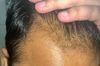
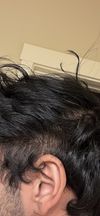
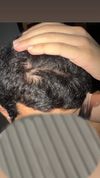
A user's experience of slowing hair loss while taking minoxidil and finasteride, and the various treatments suggested to help halt or reverse the process.
A 21-year-old male used ketoconazole shampoo, 1mg finasteride, 5% topical minoxidil, and 5mg oral minoxidil for hair loss, with no side effects reported. He applied topical minoxidil only to thinning areas to promote hair and beard growth.
A user shared their 1.5-year experience using 0.25mg finasteride daily for hair loss, noting significant hair quality improvements and reduced scalp itch but mild erectile dysfunction. They managed side effects with daily 2.5mg Cialis and 5mg citrulline and plan to continue this routine.
User tried dutasteride, topical finasteride, oral minox, dermawounding, saw palmetto, pumpkin seed oil, and ketacozonole for hair loss. Improvement was temporary, now trying RU58841 and seeking help.
A combination of pyrilutamide, minoxidil, and alfatradiol is proposed as an effective alternative to finasteride for treating mild to moderate hair loss, claiming to stabilize hair loss and improve thickness without finasteride's side effects. Some users are skeptical about the effectiveness and approval of these treatments, while others are interested in trying them due to finasteride's side effects.
User 36 years old, receding hairline, tried minoxidil, Nizoral, dermarolling, alfatradiol, revivogen, and spiro cream with limited success. Two dermatologists refused to prescribe finasteride. Others shared experiences and suggested finding a different dermatologist.
The user's progress after using dutasteride for hair loss treatment, and how minoxidil is also a helpful part of this process which can take up to one year to see full effects.
A 20-year-old used finasteride for 5 months, then switched to dutasteride for 7 months, and added oral minoxidil for 2.5 months, finding the combination of dutasteride and oral minoxidil most effective. The user experienced significant hair improvement and confidence boost, with no blood tests but an ECG to monitor heart health.
A 19-year-old male has been using finasteride and minoxidil for nearly two years but continues to experience hairline recession. He is considering switching to dutasteride and exploring options like hair systems and potential future hair transplants.
A 25-year-old switched from finasteride to dutasteride, experiencing significant hair regrowth and improved hair quality after 6 months, taking it three times a week. The user stopped finasteride entirely, citing dutasteride's longer half-life as more effective.
The user tried oral minoxidil and dutasteride for hair loss after topical treatments failed, but with limited success. They suggest considering a hair system (toupee) as a more cost-effective and less complicated alternative to extensive non-regulated treatments.
Clascoterone 5% solution is not yet commercially available, with only the 1% solution currently sold for acne. Users discuss the potential of Clascoterone as a hair loss treatment, comparing it to other anti-androgens like RU58841 and Eucapil.
A 24-year-old male experienced an increase in estradiol levels and symptoms like gynecomastia and excessive sweating after using Minoxidil for hair loss. His estradiol levels decreased after he stopped using Minoxidil.
The user experienced significant hair regrowth and reduced shedding after increasing their dosage of minoxidil to 5mg daily and finasteride to 5mg three times a week. They reported noticeable improvements within five months and encouraged others to consider this treatment.
A 21-year-old is using 5mg Minoxidil, 1mg Dutasteride, Nizoral, and occasional microneedling for hair loss, seeing improvement on the left side of the scalp. They stopped microneedling due to scalp inflammation and are awaiting a dermatologist appointment.
A 27-year-old man shared his hair regrowth progress after using finasteride for 4 years, recently adding a solution of RU58841 with minoxidil and alfatradiol, tretinoin on temples, and occasional ketoconazole. He is seeking opinions on his treatment approach.
Oral minoxidil treatment increased hair density and shaft caliber in AGA patients. Side effects included hypertrichosis and lower extremity edema, with younger patients experiencing fewer side effects.
A 16-year-old using topical finasteride and minoxidil for 3.5 months to treat hair loss. They're seeing progress, despite continued shedding, and plan to start using dutasteride at 18.
The user applied 5% minoxidil twice daily and microneedled approximately 1.5 times a month. They noticed some progress in hair growth, though they were unsure if it was due to treatment or hair length.
The conversation discusses using a combination of finasteride, spironolactone, minoxidil, retinol, azelaic acid, and caffeine for hair loss treatment. The user inquires about the limitations of these drugs and whether tretinoin would be more effective than retinol.
A user experiencing side effects from a 5% minoxidil and 0.1% finasteride topical solution for hair loss reduced their dosage due to numbness and pain in the lower body and is seeking advice on dosage and alternatives like redensyl. They are concerned about the side effects of both medications and are considering adjusting the dose or switching treatments.
A 23-year-old male switched to a topical solution containing Fin 0.1% and Min 5% from a previous solution with Fin 1% and Min 5%, noticing increased hair shedding. He is concerned about losing around 50 hairs while using ketoconazole shampoo.
A 33-year-old man shares his positive hair regrowth results using 1mg finasteride daily, 5% topical minoxidil twice daily, and a 0.5mm dermaroller weekly. He feels more confident and encourages others to try the routine despite potential side effects.
The user switched from topical minoxidil to oral minoxidil and added RU58841 to their hair loss treatment but hasn't seen improvement after several months, causing frustration. They also mentioned using finasteride and are confused about the lack of results despite oral minoxidil's reported high success rate.
In this conversation, 4990 discussed various treatments for hair loss, including oral minoxidil, PRP, transplan, Jak inhibitors, Dutasteride, Finasteride, Olumiant, Ketoconazole, RU58841, microneedling, baricitinib, and CCCA. They recommended scalp biopsies in unclear cases of DUPA, twice weekly to twice daily shampooing for topical minoxidil users, and two sessions spaced one month apart with follow up at month three to determine the effectiveness of PRP treatment.
The user is using oral finasteride and minoxidil for hair loss but reduced the dosage due to side effects like lightheadedness and weakness. They are also taking vitamins and natural DHT blockers.
The user is applying topical finasteride with stemoxydine for hair loss and has noticed hair thickening but no regrowth after two months. They also report high SHBG and prolactin levels and a lack of morning erections, even on low doses of medication.
The user is experiencing diffuse androgenic alopecia and is trying various treatments, including 5mg finasteride, loniten, and Formula 82D, which contains dutasteride, a steroid, and tretinoin. They report potential regrowth with Formula 82D, despite previous treatments being ineffective.
The user has been using pyrilutamide, topical finasteride, and 15% minoxidil for hair growth for almost 4 years. Despite mixed responses from others, the user reports seeing progress, especially with the addition of pyrilutamide, and plans to continue the regimen.