Search
for
Sort by
Community Join
540-570 / 1000+ results
community 16 year old Hairloss, Min for 6 months
A 16-year-old noticed hair thinning on the crown and sides of the head, with minimal temple thinning. After using Minoxidil for 6 months, some areas improved, but the crown worsened, and they seek advice on the irregular hair loss and treatment options.
community Month 1 to 7 progression oral fin topical min
community Kintor Pharma Announces Completion of First Patient Enrollment in KX-826 Long-term Safety Phase III Trial for Treatment of AGA
Kintor Pharma has finished enrolling the first patient in a Phase III trial for KX-826, a treatment for androgenetic alopecia (AGA). One user has set a reminder to check back on the topic in a year.
community Anyone looking at lab-grown hair studies using iPSC?
Lab-grown hair using iPSCs is being explored, but practical applications are limited. Finasteride is suggested as the only current effective treatment.
community Shedding at 17, but I seem to have caught it early on, and I have some questions
A 17-year-old is experiencing early hair thinning and is considering oral minoxidil while being cautious about finasteride due to side effects. They seek advice on hair maintenance and plan to consult a doctor before using DHT blockers.
community Son, 19: One year of Fin and Min but not seeing results?
A 19-year-old has been using oral finasteride and minoxidil for a year without noticeable results. Suggestions include adding derma-stamping, increasing ketoconazole shampoo use, and considering vitamin D testing, while acknowledging that response times vary.
community M19 finasteride my doc said it's not aga until now
A 19-year-old male with a family history of balding is using finasteride to thicken his hair and is considering whether to add minoxidil. Users suggest continuing finasteride for several months before deciding on minoxidil.
community Why is everyone still arguing about PP405 when clascoterone is already heading toward regulatory submission?

community 26M with Bald Spot Behind Head, Seeking Regrowth Advice - No Treatment History
A 26-year-old with a bald spot is seeking advice for hair regrowth, having no treatment history. Suggestions include starting Minoxidil and finasteride to promote growth and reduce hair loss.
community 18M: Hair Loss Worsened After 1 Year on Minoxidil, Post-Surgery Concerns
An 18-year-old experienced initial hair improvement with minoxidil but noticed increased shedding after surgery and lifestyle changes. They suspect iron deficiency and are seeking other possible explanations for the hair loss.
community 15 years old bad hair loss! I need tips
Hair loss since age 13 due to scalp disease with dandruff, flaking, and itching. Seeking advice on using Minoxidil for regrowth and other tips.
community Do we know exactly why some people respond so great to dut/fin,min and others dont?
Genetic factors, enzyme activity, and DHT sensitivity affect individual responses to hair loss treatments like finasteride, minoxidil, and dutasteride. Starting treatments early can slow hair loss, but results vary among individuals.
community Pyrilutamide cease and desist from Kintor
Considering a hair transplant, using Pyrilutamide, the potential availability of CosmeRNA, and the significance of taking Minoxidil and Finasteride for long-term results.
community AA and Hirsutism but T levels are normal
27-year-old female experiences aggressive hair thinning and hirsutism despite normal testosterone levels. Spironolactone and 2% minoxidil were ineffective; high DHEA sulfate levels may be the cause.
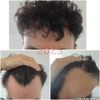
community Help deciding: Preventive finasteride now (NW2-3) vs. waiting for visible changes? (28M with family history)
A 28-year-old male with a family history of baldness is deciding whether to start finasteride now or wait for visible hair changes. He is considering starting finasteride immediately to proactively address potential hair loss.
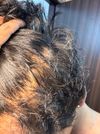
community Seeking Advice for Hair Thinning at 19, Ongoing Since 16
A 19-year-old seeks advice for hair thinning that started at age 16. Treatments discussed include Minoxidil, finasteride, and RU58841.
community Post op day 1, My 10 year journey and thoughts about hair loss, advice
The user shared their 10-year hair loss journey, discussing treatments like oral minoxidil, oral finasteride, and LLLT, and ultimately deciding on a hair transplant. They also explored the possibility of having alopecia areata incognita and advised seeking multiple opinions before surgery.
community The #1 hair transplant clinic red flag (and how to avoid it)
Avoid clinics that push for more grafts than necessary, as it can lead to unnecessary costs and damage to the donor area. Trust reputable clinics and be cautious of those using celebrity endorsements or offering suspiciously low prices.
community Adding Creatine while on fin + min has caused my skin to become red and terrible
Adding creatine while using finasteride and minoxidil caused skin irritation and hair thinning. Creatine may affect DHT levels, leading to these issues.
community Thinking of getting transplant to refill density lost from traction alopecia
A 22-year-old with 4c hair is considering a hair transplant to address traction alopecia caused by braid extensions. They have tried derma stamping, oils, and minoxidil but stopped due to side effects.
community Diffuse thinner taking Fin for over 2 years no improvement. Try oral min or switch to dut?
community The theory that explains everything. Community Crowdfund
3aHSD enzyme's role in hair loss and a crowdfund for research. Goal: explore new treatments, study RU58841, and develop natural topical product.
community I have experienced some regrowth at age 30
community I might have found hair transplant bug guys
Using finasteride before a hair transplant can prevent further hair loss and make the transplant look more natural. Patients should continue using finasteride until hair cloning becomes available.
community Federal Grant Cuts have impacted PP405 related research
Federal funding cuts have delayed PP405 research, affecting hair loss treatment progress, though clinical trials will continue. The discussion highlights PP405's potential compared to minoxidil and finasteride and stresses the importance of government-funded research.
community Odd fear of not getting meds in a coma or similar
Concerns about hair loss treatments like finasteride and minoxidil not being administered during a coma. Dutasteride remains in the system longer, and hair loss may not be immediate if treatment stops temporarily.
community Thoughts on STEM cell hair transplants?
community "How can you have such nice hair when most people your age are balding"
A 22-year-old who had a hair transplant and is on medication has nice hair, which was complimented by their grandmother. Another person is 8 months post-transplant and taking dutasteride, oral minoxidil, and biotin but hasn't seen results yet.
community Allopregnanolone deficiency by 5-ari inhibition (fin/dut users)
The conversation is about managing allopregnanolone deficiency caused by 5-alpha-reductase inhibitors like finasteride or dutasteride. Specific treatments discussed for hair loss include Minoxidil, finasteride, and RU58841.