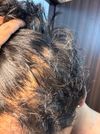
Creatine may cause hair loss in some individuals, though there is no scientific consensus. Personal experiences vary, with some reporting increased shedding and others seeing no effect.
A user shared their positive experience with hair regrowth using minoxidil, hormone replacement therapy, and cyproterone acetate during their male-to-female transition. Another user discussed their successful hair transplant after transitioning and using finasteride, highlighting the challenges of hair loss and regrowth during transition.
Excessive sugar consumption may contribute to male pattern hair loss by increasing androgen sensitivity and insulin resistance, but genetics play a significant role. Treatments like minoxidil and finasteride are suggested for managing hair loss, while reducing sugar intake and maintaining a healthy lifestyle may help mitigate its progression.
Hair loss discussion mentions losing 50 strands daily as normal, but varies for individuals. Some users joke about hair loss in other areas, while others emphasize individual differences and hair cycle length.
A user shared their experience with a hair restoration method involving adding individual human hairs on ultra-fine strands between existing hair, allowing for natural movement and appearance without blocking the scalp. They also continue using rosemary oil and gentle massage for basic growth support.
Hair loss treatments like finasteride, minoxidil, dutasteride, and RU58841. Users suggest hair fibers for temporary coverage and consider hair transplants for permanent solutions.
A 19-year-old is concerned that starting finasteride for early hair loss might affect future beard growth. They plan to use minoxidil and finasteride due to a family history of male pattern baldness but worry about the impact on facial hair development.
Vitamin D deficiency can hinder hair recovery, and addressing it may help with hair loss. Hair loss may result from various issues like excess DHT, vitamin deficiency, or scalp inflammation.
A 23-year-old male experienced sudden hair loss over six months, losing about 30% of his hair. Treatments include 10% minoxidil, a hair spray, and a vitamin pill; opinions on the cause vary between normal hair loss due to deficiencies and male pattern baldness.
A 20-year-old male has been using a topical mix of finasteride, minoxidil, and tretinoin for five months without seeing significant hairline improvement. He is considering adding oral dutasteride or a hair transplant for better results.
The conversation is about using Bimatoprost for hair growth, with concerns about potential side effects like eye color change and fat atrophy. Users discuss combining it with other treatments like Minoxidil and Finasteride, and sourcing Bimatoprost in bulk.
The post is an update on the user's hair loss journey. They have a strong hair follicle that has remained unaffected by hair loss for almost 3 years. The user is starting finasteride and using ketoconazole, alfatradiol, and oral castor oil for hair maintenance.
A 16-year-old is experiencing early male pattern baldness and is considering using Minoxidil now and Finasteride after turning 18. Another user shared a positive experience with topical Minoxidil and Finasteride, noting improvement in hair thickness and no side effects.
A user shared their 5-year journey with hair loss, detailing treatments including minoxidil, finasteride, plasma therapy, and mesotherapy. They initially avoided finasteride but later started using it due to dissatisfaction with minoxidil alone.
A 22-year-old male is experiencing hair loss due to seborrheic dermatitis, not male pattern baldness, and is seeking advice. Suggestions include using Nizoral, sulfate-free and ketoconazole shampoos, cutting hair short, using cold water, avoiding picking scabs, and trying selenium sulfide shampoo or finasteride.
The user has been using oral finasteride for 15 months and oral minoxidil for 6 months, and developed alopecia areata, for which a dermatologist prescribed calcipotriol/betamethasone. The treatment is helping, but the user is experiencing another shedding phase and is concerned about the effects of the steroid cream and the cause of hair loss.
A user is experiencing severe hair loss, diagnosed with seborrheic dermatitis, and is using Ketoconazole and beclomethasone. They are concerned about potential female pattern baldness and are seeking reassurance and advice.
An 18-year-old is experiencing significant hair loss and is concerned about treatment options, including finasteride, minoxidil, and dutasteride, due to potential side effects and costs. They are also taking vitamins for deficiencies and considering alternatives like hair transplants or embracing the bald look.
A male in his thirties with a Norwood 2 hairline questions if gym gains and supplements like creatine cause hair loss. Responses suggest that while exercise can slightly increase testosterone and DHT, genetics primarily determine hair loss, and treatments like finasteride are recommended for DHT control.
A user discusses their habit of analyzing others' hair due to their own hair thinning at 18. Another user mentions starting finasteride in 2010 and still having a full head of hair.
Hair loss may be linked to thyroid issues, with some individuals noticing changes in hair texture when taking substances affecting the thyroid. Treatments mentioned include a topical mix of finasteride, minoxidil, and tretinoin, along with microneedling.
DHT is not the only cause of male pattern hair loss; genetic sensitivity, inflammation, and fibrosis also contribute. GHK-Cu, a copper peptide, is being explored as an alternative treatment to finasteride and minoxidil, showing potential in improving follicle health.
A user noticed worsening hair loss and is considering treatments. They plan to use finasteride, Rogaine, and a ketoconazole shampoo, and seek advice on their effectiveness and usage.
Channing Tatum's hair loss and whether he accepted baldness or had a hair transplant. Users share experiences with finasteride and hair transplants, and discuss the importance of hair maintenance with age.
Finasteride and Dutasteride block DHT, which is needed for vellus hair to become terminal on the beard but not on the scalp. The user considered using DHT cream but learned it's unnecessary for scalp hair.
A user shared his experience of having two healthy children while continuously using finasteride (Fin) for hair loss, challenging fears about its potential impact on fetal development. The discussion that followed included various perspectives, with some users sharing similar experiences, others expressing concerns about potential risks, and some emphasizing the need for more substantial evidence before drawing conclusions.
Microneedling can aid hair regrowth but poses risks like permanent hair loss if not done properly. Combining it with minoxidil, finasteride, and tretinoin, while ensuring proper sterilization and technique, is crucial for safety and effectiveness.
The user has seen significant hair regrowth using topical minoxidil and dutasteride, with better results than finasteride alone. Despite concerns about hairline and temporal peaks, others believe a hair transplant is unnecessary due to the current hair condition.