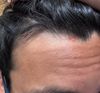
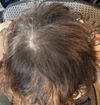
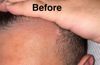
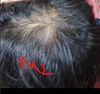
The user experienced male pattern baldness starting at 18, tried finasteride with no success, and switched to dutasteride, which halted hair loss. Minoxidil had no effect for them, while their brother, who didn't use AR inhibitors, maintained a juvenile hairline and successfully grew a beard with minoxidil, highlighting the unpredictable nature of genetics in hair loss and treatment response.
A 27-year-old male has been using topical minoxidil for over 8 months and added finasteride in January 2026, noticing new baby hairs. Users suggest these baby hairs will likely grow longer, indicating promising progress.
A 22-year-old is experiencing diffuse hair thinning all over the head, losing about 300 long hairs daily, despite having good genetics and vitamin levels. They are seeking advice on whether this pattern is normal and considering consulting a dermatologist.
A user plans to experiment with creating new hair follicles using methods like derma rolling, applying lithium chloride, tannic acid, and various other substances including caffeine, ketoconazole, and raspberry ketones. They also consider using anti-inflammatories, immunosuppressants, and DHT inhibitors to potentially improve results.
The conversation discusses changes in scalp texture and appearance in areas of hair loss, with concerns about the suitability of these areas for hair transplants. Users mention issues like fibrosis, inflammation, and thinner skin, advising caution and consultation with clinics before proceeding with transplants.
Curved hair transplantation requires specialized tools and techniques to avoid damaging hair follicles, with modified FUE being the preferred method. Proper extraction and implantation angles are crucial to prevent complications like keloids and sterile folliculitis.
Exploring the idea of using facial hair properties for scalp regeneration in male pattern baldness, considering the potential of transferring androgen-resistant characteristics from facial hair to the scalp. Challenges include complexity, scalability, aesthetics, and safety, but the concept encourages innovative thinking beyond current treatments like Minoxidil, Finasteride, and hair transplants.
A 15-year-old is experiencing hair loss and is considering treatment options. They are aware they cannot use DHT blockers like finasteride due to their age and are exploring other causes like Telogen Effluvium.
The struggles of hair loss at a young age and available treatments, such as medication (Finasteride, Minoxidil, Dutasteride, Derma Rolling) and potential options for hair systems or cloning in Japan. People discussed their own experiences with trying to cope with the emotional aspects of this condition.
A 33-year-old man using finasteride, minoxidil, thickening shampoo, conditioner, and Nizoral noticed peach fuzz after a month and is hopeful for regrowth. Others shared mixed experiences, with some seeing further growth and others not.
The user discusses their experience with diffuse unpatterned alopecia and acquired progressive hair kinkering, noting improvements with treatments including biotin, pantothenic acid, finasteride, ketoconazole, and zinc pyrithione shampoo. They report thicker, healthier hair and improved scalp condition, attributing success mainly to biotin, pantothenic acid, and finasteride.
A humorous discussion about a newborn's hair loss, jokingly suggesting treatments like Minoxidil, finasteride, and various other hair loss remedies. Participants humorously debate extreme measures, including shaving or using a "nuclear stack" of treatments.
The user is pleased with their hair growth progress after 5 months of using Minoxidil, Finasteride, and RU58841, and is curious if the baby hairs at the temple will fully connect with the rest of the hair. It's uncertain if the connection will happen yet.
A man in his twenties experiencing hereditary hair loss has been using 5% Minoxidil, a derma roller, Vitamin D3, and recently started Finasteride. He has noticed baby hairs appearing, indicating some regrowth, and is advised to continue the treatment consistently for several months to potentially see significant results.
The conversation discusses identifying permanent hair loss and includes treatments like microneedling and biotin vitamins. The user is unsure whether the reduction in wispy hairs is due to hair revitalization or loss.
The conversation discusses whether baby hairs observed after using finasteride and minoxidil will grow into terminal hairs, with mixed experiences and opinions shared on the effectiveness of these treatments for hair regrowth. Some users report positive results, while others are skeptical about the potential for significant change.
A user shared their experience with male pattern baldness and accepting baldness after shaving their head at age 29. Some responses suggest treatments like minoxidil and finasteride, while others discuss acceptance and personal experiences with hair loss.
The conversation discusses various theories of hair loss, including DHT sensitivity and genetic factors, with the user willing to use themselves for research due to having a hair loss gene but different hair loss patterns compared to their brothers. Specific treatments were not mentioned in the provided text.
The user has been using minoxidil and finasteride for 8 months and is questioning if new baby hairs are growing. Opinions vary, with some suggesting the hairs are signs of regrowth and others suggesting delusion.
A breakthrough in hair follicle cultivation using induced pluripotent stem cells (iPSCs) has been achieved, producing large hair follicles suitable for transplantation. Clinical trials for this hair multiplication technology are planned in partnership with Yinguan Biotechnology.
A user shared their experience with a hair restoration method involving adding individual human hairs on ultra-fine strands between existing hair, allowing for natural movement and appearance without blocking the scalp. They also continue using rosemary oil and gentle massage for basic growth support.
A 21-year-old male is using finasteride, minoxidil, and had a hair transplant to address lifelong thin, diffuse hair loss. Progress pictures show changes over two months.
A 20-year-old experiencing hair loss since age 16 is using finasteride and minoxidil and is considering future hair transplants. Discussions include the potential for multiple transplants, the use of body hair for coverage, and the importance of treatments like dutasteride and scalp micropigmentation for maintaining hair density.
Black individuals may embrace baldness better due to less contrast between hair and skin. Finasteride is suggested for hair loss management, and natural styles like buzz cuts are recommended.
Early hair loss causes emotional distress, and common coping strategies like fitness and fashion are inadequate. Treatments like finasteride, minoxidil, dutasteride, hair systems, and scalp micropigmentation were tried but were unsatisfactory.